Muhammad Amir Shehzad and Dr Tehmina Aslam Ranjha
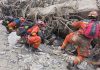
The very term climate change carries an ominous weight. In Pakistan, it often feels as though Dante’s imagined inferno has spilled into reality, unleashing concentric circles of torment upon the nation. The recent floods are not merely natural disasters; they mark a profound betrayal of environmental stability, dragging Pakistan into a limbo of vulnerability. Yet the threat does not end with environmental devastation. Climate change increasingly operates as a security multiplier. Within the state-centric conception of security, it deepens socio-political tensions, skews the fragile balance between resources and consumption, and lays fertile ground for extremism and terrorism. What appears at first as an environmental crisis emerges as a catalyst for instability, with grave implications for national and regional security.
Climate change is not simply an aggregate of floods, heatwaves, droughts, tropical storms, glacial outbursts, and seawater intrusion. It is chaos infused with consternation. It widens disparities, and these disparities fuel the climate-conflict nexus. Resource Scarcity Theory highlights how shrinking access to water, food, land, and commodities can escalate confrontation. The Frustration-Aggression Model links this nexus with political violence. Disasters triggered by climate change can reignite old grievances or spark new conflicts, eventually spilling into outright terrorism. Environmental stress intensifies social inequities, weakens economic growth, and drives migration. Climate change itself does not directly “cause” terrorism, but the prevalence of social, economic, and environmental pressures catalyzes it.
The Long-Term Climate Risk Index (2009-2019) underscores that while there is no linear relationship between climate change and terrorism, countries like Pakistan and Mozambique have faced both challenges simultaneously. Others, such as Nepal and Haiti, endure high climate risks with limited terrorism. What is clear is that regions exposed to climate shocks rarely have the capacity to contain radicalization.
The examples are sobering. The Horn of Africa, Balochistan, and Khyber Pakhtunkhwa have all faced compounded threats of climate stress and militancy. Flash floods in KP aggravate scarcity, weaken governance, and create vacuums militants exploit for recruitment and fundraising. In Syria, extremists capitalized on a fragile security environment to transform discontent into civil war. In the Lake Chad Basin, desertification erased livelihoods and opened the door for Boko Haram recruitment, offering money, protection, and belonging to the dispossessed. In Gilgit-Baltistan, sectarian undercurrents risk being inflamed by displacement from glacial melts and floods. Extremist groups like the TTP can manipulate such resentment for radicalization.
Climate stress steers radicalization by weakening governance, increasing scarcity, and fuelling instability. Though data is limited, governments across Central and South Asia and the Sahel confirm that drought and agricultural decline have contributed to terrorist recruitment. Noah Gordon has argued that climate change undermines state legitimacy by eroding service delivery, creating space for violent non-state actors. Desperate farmers, displaced communities, and sluggish state responses all provide openings for extremist narratives.
Unrestrained climate change gives terrorist groups fresh ammunition. In KP, groups like Daesh Khorasan could frame catastrophic floods as divine punishment, while portraying the state as incapable and illegitimate. Recent disasters have also distracted security forces into relief operations, leaving them exposed to attacks. In remote areas, the absence of reinforcements magnifies risks. Small wonder NATO, the UN, and the Pentagon already classify climate change as a security threat.
Climate perils erode human security and intensify state fragility. Pakistan’s security policies must adapt to these evolving threats. State institutions must build resilience to absorb climate shocks and prevent extremist exploitation. The stakes are clear: if climate change is left unchecked, it will not only drown villages but also undermine national security.
Muhammad Amir Shehzad is a PSP officer and ADO FC Swat with expertise in CVE, CT, and Strategic Studies. He can be reached at mas.amirshehzad@gmail.com.
Dr Tehmina Aslam Ranjha is a National Security and Counter-Terrorism analyst. She tweets @TA_Ranjha and can be reached at taranjha1@gmail.com.