Peer Baba
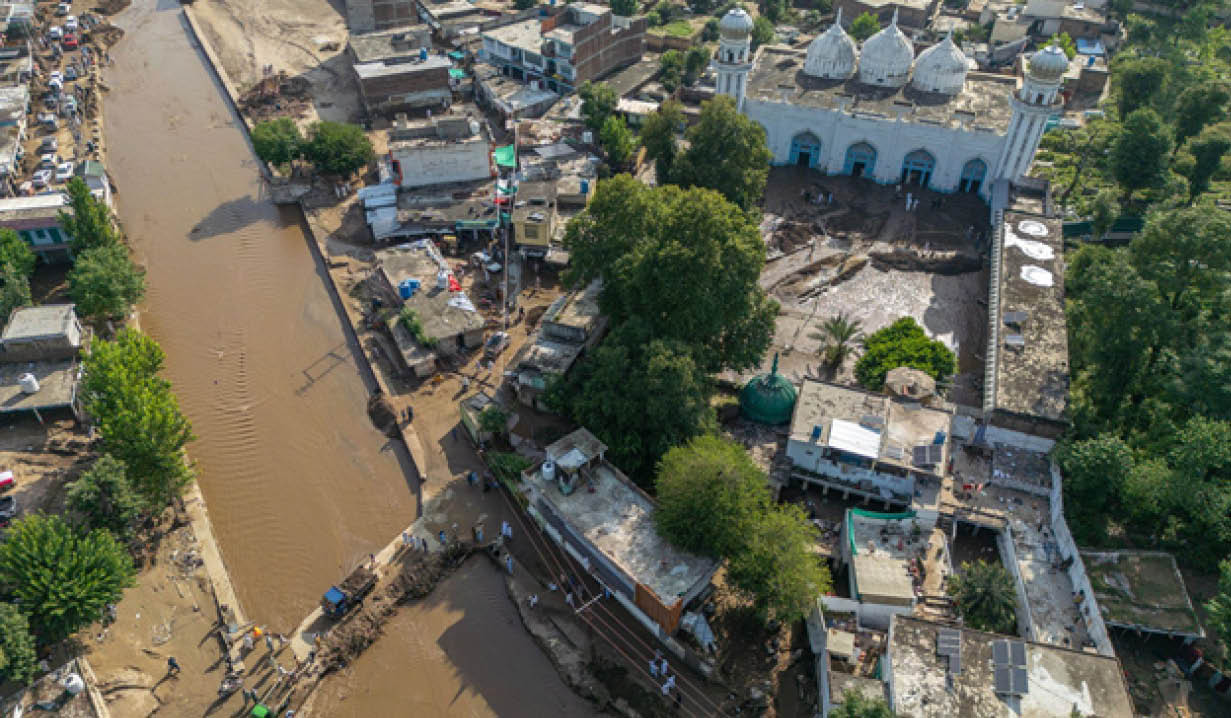
The morning of Pakistan’s Independence Day, when flags fluttered across the country in celebration, Peer Baba in Buner District woke up to one of the darkest days in its history. A sudden cloudburst unleashed a violent flood that tore through homes, shops and lives within moments, leaving behind nothing but mud, rubble and shattered dreams.
“I have never seen such horrific flood in my life, I Lost Everything i made in past 60 Years”
Sitting outside the ruins of his small shop, a 75-year-old man gripped my hand with trembling fingers. His face bore the weight of seven decades, but his eyes carried something heavier—grief.
“Son,” he said, voice breaking, “I have never seen such horrific flood in my life, I Lost Everything i made in past 60 Years”. Despite all, i am thankful to Almighty Allah my family & children are safe.
His cold sigh echoed the story of dozens of shopkeepers in the peer baba bazaar, their livelihoods swallowed by mud and water in a single morning.
The Silent Tears of Azan
On the edge of a broken lane, a boy named Azan sat silently outside his home. His posture stiff, his face pale, as if grief had frozen him in time. When I asked gently, “Is this your home?” his elder brother looked down. Azan stood up, eyes glassy with unshed tears and whispered, “Yes.”
He guided me to what was once their house. Now it was nothing but wreckage—mud-filled rooms, scattered shoes, a handful of clothes in Mud and his elder brother’s books.
Do you study? “Yes, I am in 10th class,” Azan replied, “but now everything is drowned, I fear I may never continue.” His voice cracked and silence followed—more powerful than words.
A Shoulder to Cry On
In the bustling remnants of Peer Baba bazaar, I came across a young man with reddish, swollen eyes. He had clearly been crying for hours. A neighbor led me to him, whispering,
“He is the most needy. Please help him. He has nothing except this shop.”
When I entered the destroyed shop, he broke down. His hands were shaking while greeting me. He had only this asset that was gone in seconds. The smell of damp mud, the remains shoes and his questioning eyes told the story of despair better than any photograph.
The flood has claimed hundreds of lives in just in Peer Baba and left many missing. Entire families are displaced, their homes wiped out in seconds. Survivors sit on the wreckage asking themselves the same haunting question: “Where do we start?”
In hushed voices, several villagers told me, “You people are the first to visit us in 48 hours. Nobody has come to ask about our damages. Many just pass by as spectators.”
Their words are not just a cry for help, but an indictment of neglect.
While the nation celebrated freedom, Peer Baba mourned loss. The people here do not seek sympathy alone—they need urgent relief, shelter, food and medical care. But above all, they need to be seen, to know that their suffering matters, that their voices will not be drowned like their homes.
Walking through Peer Baba’s mud-soaked streets, I realized: “This flood is not just a natural disaster—it is a human tragedy that demands remembrance, action and justice”.