DLP Report
PESHAWAR
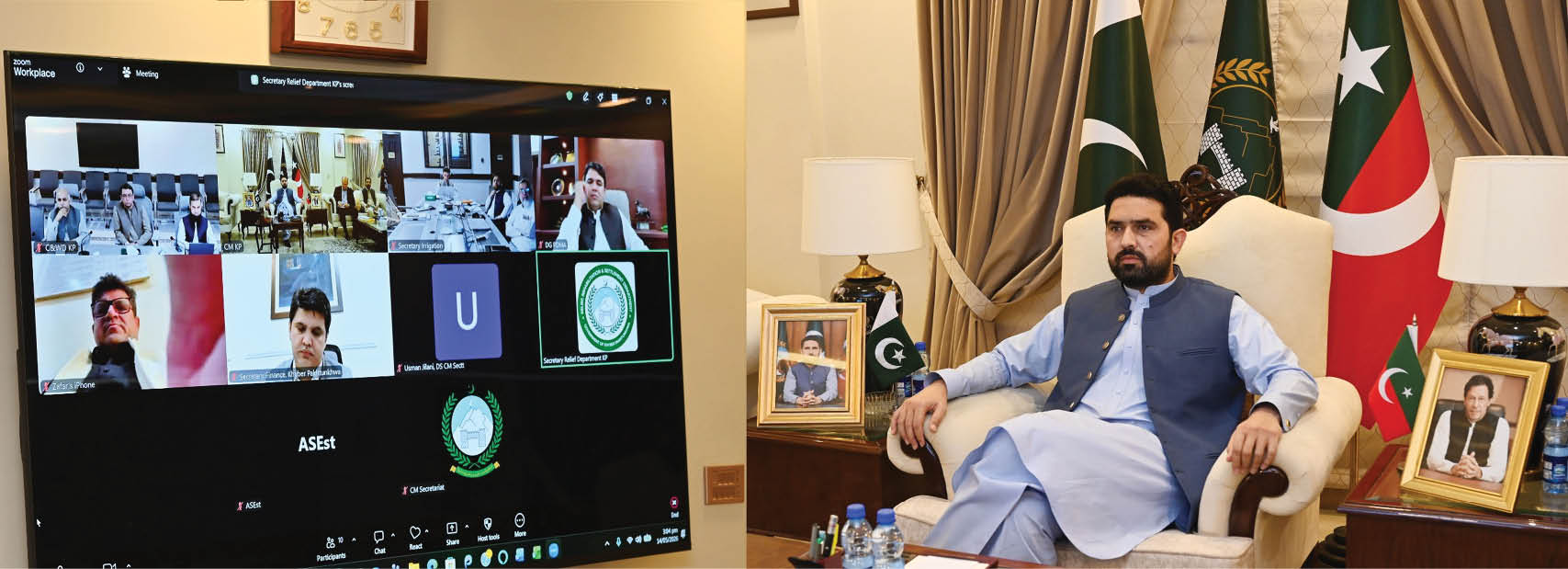
A high-level meeting on education sector reforms, chaired by Khyber Pakhtunkhwa Chief Minister Muhammad Sohail Afridi, on Monday reviewed progress on ongoing initiatives and discussed key policy and structural interventions aimed at strengthening the sector.
The meeting, held at the Chief Minister’s House, approved the release of Rs500 million for the establishment of an Interdisciplinary Research Centre in the province. It also endorsed a proposal to set up community schools in remote and underserved areas to help improve literacy rates.
The meeting was attended by Pakistan Tehreek-i-Insaf (PTI) Secretary General Salman Akram Raja, Provincial Minister for Education Arshad Ayub, education experts, and senior officials of the education department.
Participants agreed to expand the double-shift school programme and introduce Information Technology (IT) and Artificial Intelligence (AI) courses in educational institutions.
The chief minister directed officials to convene a dedicated follow-up session to further refine proposals and finalise an actionable implementation roadmap at the earliest.
Speaking on the occasion, Mr Afridi said the provincial government had maintained a focused emphasis on the health and education sectors over the past five to six months, yielding encouraging initial results. He noted that both sectors were directly linked to public welfare and human development.
He added that the government was investing in human capital in line with the vision of former prime minister Imran Khan, stressing that comprehensive and systemic reforms in education remained a top priority to ensure that no child was deprived of the right to education.
The chief minister also ordered the formation of a coordination committee comprising relevant stakeholders to oversee implementation and ensure effective follow-through.
The meeting expressed satisfaction over ongoing reforms, including the e-transfer policy, implementation of a uniform curriculum, adoption of the semester system, enhanced monitoring mechanisms, teacher training initiatives, school-based assessments, virtual schooling, and the rollout of AI-focused courses.
It also reviewed a proposed framework aimed at improving literacy rates, promoting modern educational trends, and ensuring equitable access to education.