DLP Report
PESHAWAR
Khyber Pakhtunkhwa Chief Minister Muhammad Sohail Afridi on Thursday launched the province’s Digital Transformation Policy and Roadmap 2030, describing it as a landmark initiative aimed at establishing modern digital governance, a transparent administrative system and a sustainable digital economy.
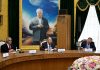
Addressing the launch ceremony at the Chief Minister’s House in Peshawar, the chief minister said the policy would serve as a comprehensive roadmap to transform KP into a more efficient, transparent and citizen-friendly province through technology-driven governance.
He said the provincial government was working to implement the vision of “Digital Khyber Pakhtunkhwa” and appreciated the efforts of the KP Information Technology Board and other relevant institutions in preparing the policy after extensive consultations and keeping in view international trends and future requirements.
The Digital Transformation Policy and Roadmap 2030 comprises five strategic pillars, nine key objectives, 32 thematic domains and 915 strategic interventions.
It includes defined targets, implementation timelines, institutional responsibilities and monitoring mechanisms to ensure a phased and sustainable digital transformation process.
The chief minister said paperless governance and digital reforms would improve transparency, accountability, efficiency and speed in government operations. He added that reducing human intervention in official processes would help strengthen merit, transparency and accountability.
He said the government would gradually shift public services online and make them citizen-centric so that people could access faster and better facilities through a single digital platform.
According to the chief minister, the roadmap would particularly benefit people living in remote areas by reducing the need to visit government offices repeatedly, allowing them to access services, information and facilities from their homes.
Highlighting the importance of artificial intelligence, modern technology and digital skills, CM Afridi said the government was focusing on equipping youth with globally competitive digital capabilities.
The chief minister also highlighted improvements in revenue collection and financial management, saying the provincial government collected Rs150 billion against a target of Rs129 billion in the previous financial year without imposing any new taxes.
For the current fiscal year, he said, the revenue target had been set at Rs180 billion, with expectations of reaching Rs200 billion.
Earlier, participants were briefed on key features of the policy, under which government services, financial transactions and administrative systems would be fully digitised. More than 100,000 young people will also be trained in artificial intelligence and advanced digital skills to prepare them for national and global digital markets.
The policy also includes initiatives related to green ICT procurement, reduction of carbon footprints, development of environmentally friendly digital infrastructure and establishment of a carbon credit registry to support a sustainable and climate-friendly digital economy.