Amid the highest escalation of tensions on the global front, Pakistan as always is uniquely positioned to safeguard its national interests and give a fresh impetus to its development initiative by playing a prudent role at a time that is beset with dangerous bloc politics, shaping an altogether different but difficult geo-political scenario.
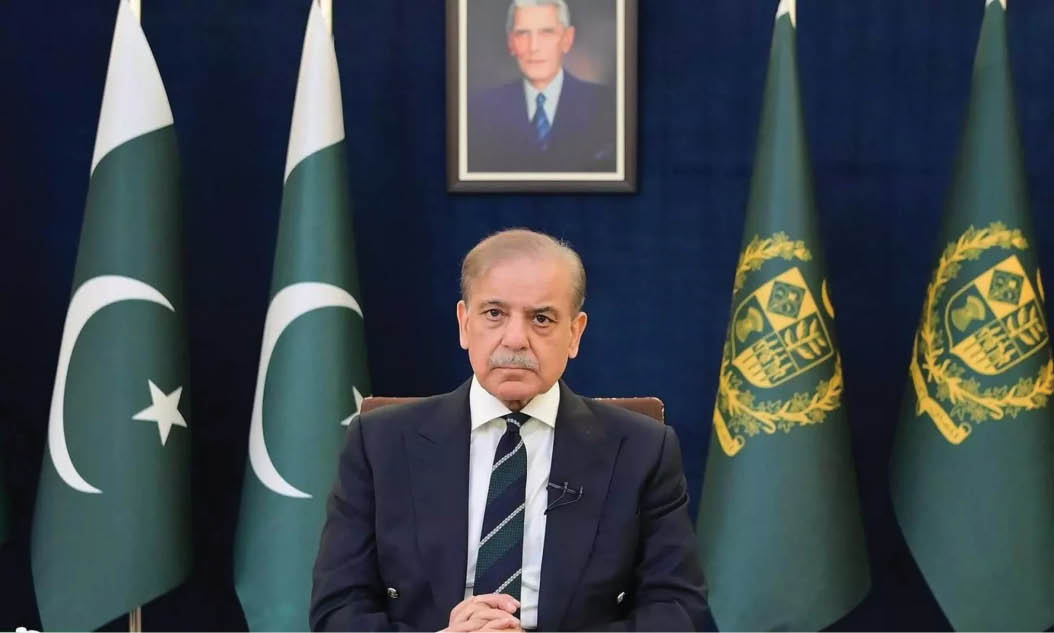
As Islamabad has pinned high hopes on the success of the China Pakistan Economic Corridor (CPEC), Prime Minister Shehbaz Sharif is set to embark on a visit to China to review progress and implementation of the multi-billion development initiative.
In the run-up to the prime minister’s visit to Beijing, the Joint Cooperation Committee (JCC) of the two countries held its much-anticipated 11th meeting in Islamabad last week to take stock of the conditions surrounding the slow progress on the CPEC and to work out modalities and agenda for the prime minister’s visit to Beijing, where only wise decisions can lead the country to the path of progress and recovery from natural disasters. The JCC meeting laid bare certain deficiencies on the part of Pakistani authorities, which need to be resolved and which require the national leadership to tread the path with much caution as the clamor of a biological or nuclear war has been getting higher.
As trusted development partners, China and Pakistan have agreed to move forward with a new enthusiasm on a number of CPEC linked projects that remained neglected or stalled during the previous government. Therefore, the latest meeting of JCC was imperative to ensure that CPEC projects would be optimally utilized and, thus, its scope would be enlarged to achieve the desired objectives. The JCC decided to initiate pragmatic work on Karachi to Peshawar railway track project, ML-1, which is considered as the backbone of the CPEC success. Unfortunately, a number of projects in its first phase have failed to usher in the level of progress that was promised to the people.
One of the great developments of the meeting is the willingness of both countries to enter into a new agreement which seeks regulation of country’s waters in view of climatic changes, “Water Resource Management and Climate Change” project once executed in letter and spirit would help Pakistan to boost its overall resilience against devastation of floods and ensure water availability to combat the looming threats of food insecurity. Islamabad must come up with new proposals in the field of communication, energy, food, agriculture, mining, Information Technology and research to reap maximum benefits of the CPEC project.
As CPEC is not the project of a political party, the country’s leadership needs to take its full ownership to offset multiple crises from energy to food, which have been emanating from the Russia-Ukraine war, the involvement of the US and its allies in the conflict, US-China and US-North Korea tensions and other flashpoints plaguing peace of the world.