ISLAMABAD
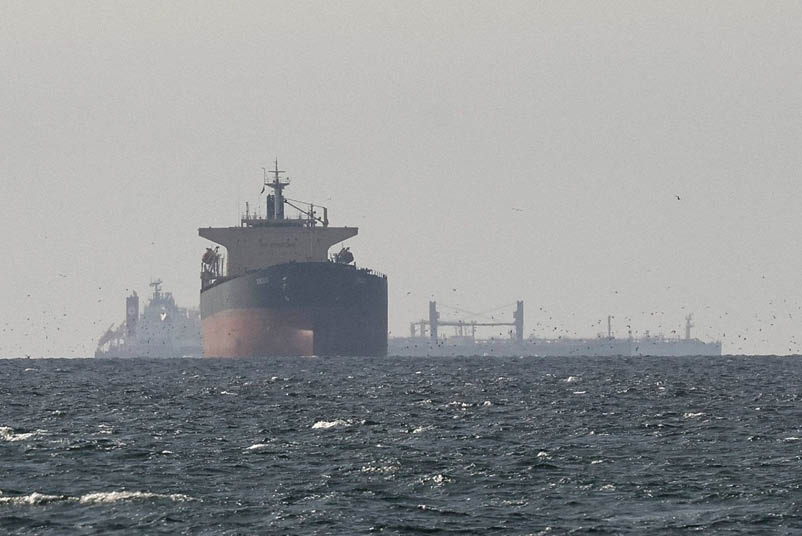
Crude oil prices ended flat after remaining volatile during the week amid a drop in US crude stocks, weakening demand outlook and signs of easing geopolitical tension in the Middle East.
Major global benchmark Brent ended the week higher by 0.1 percent. Brent, the international benchmark for two-thirds of the world’s oil, inched up to $85.43 a barrel from $85.34 a barrel during the week under review, showing an increase of $0.09 on a week-on-week (WoW) basis. The price of Brent was recorded at $87.61 on Tuesday, which was its highest price level of the week under review.
However, another global benchmark West Texas Intermediate (WTI), the main oil benchmark for North America, closed the week down to $80.63 from $81.04 a barrel, registering a weekly decrease of $0.41 (-0.51 percent). The WTI Crude rose to $83.77 on Tuesday, which was its highest price level of the week under review.
Both global benchmarks ended the preceding week higher, as Brent ended the last week higher by 3.97 percent, increasing to $85.34 from $82.08 a barrel.
WTI also closed the week higher to $81.04 from $78.01 a barrel, registering a weekly increase of 3.88 percent.
A string of Ukrainian drone attacks on Russian refineries which were affecting fuel output in the world’s largest exporter was one major reason for the rise in crude prices in the preceding week. Ukraine’s intensified drone strikes caused a fire at Rosneft’s largest refinery on March 13, marking one of the most severe attacks on Russia’s energy sector in recent months. So far this year, there have been strikes on two oil terminals, four oil and fuel depots, and 14 refineries.
However, the downward trend in the prices of crude oil in the global oil market was on Thursday blamed on weaker United States gasoline demand data. Though gasoline inventories fell for a seventh week from 3.3 million barrels to 230.8 million gasoline products supplied, a proxy for product demand slipped below 9 million barrels.
Oil prices were also pressured by confirmation that the US drafted a United Nations’ resolution calling for a ceasefire that would allow the release of 40 Israeli hostages in return for hundreds of Palestinians detained in Israeli jails. US Secretary of State Antony Blinken, who is on his sixth tour of the region since the latest conflict began in Gaza, announced the draft during a visit to Saudi Arabia, where he held talks with Crown Prince Mohammed bin Salman.
Earlier, the US Federal Reserve left its target rate unchanged at 5.25 to 5.50 percent, but said it expected to cut rates three times this year. Lower interest rates stimulate economic growth, improving crude demand.