Sadam Hussain
The year 2025 has come to an end, and the new generation of the twenty-first century is already looking ahead, determined to do something new in the coming year. Some are planning celebrations and gatherings, eager to welcome the new year with parties and reunions. Others are more cautious and reflective, resolved to work harder and not repeat the mistakes or missed opportunities of 2025. In one way or another, everyone is projecting hopes and expectations for the future, guided by their own roadmap of ambitions and anxieties.
We are used to hearing sweeping projections about the decades ahead. We are told how the world might look in 2040, what may unfold by 2050, whether communism will reassert itself or liberalism will regain ground in a world already gripped by ideological crisis. There are constant debates about whether AI-based software will dominate human life, or whether the United States or China will ultimately emerge as the defining power of the twenty-first century. Yet for Pakistan, such discussions feel distant and abstract. The country remains consumed by far more immediate and pressing concerns: terrorism, economic hardship, political instability, and social fragmentation.
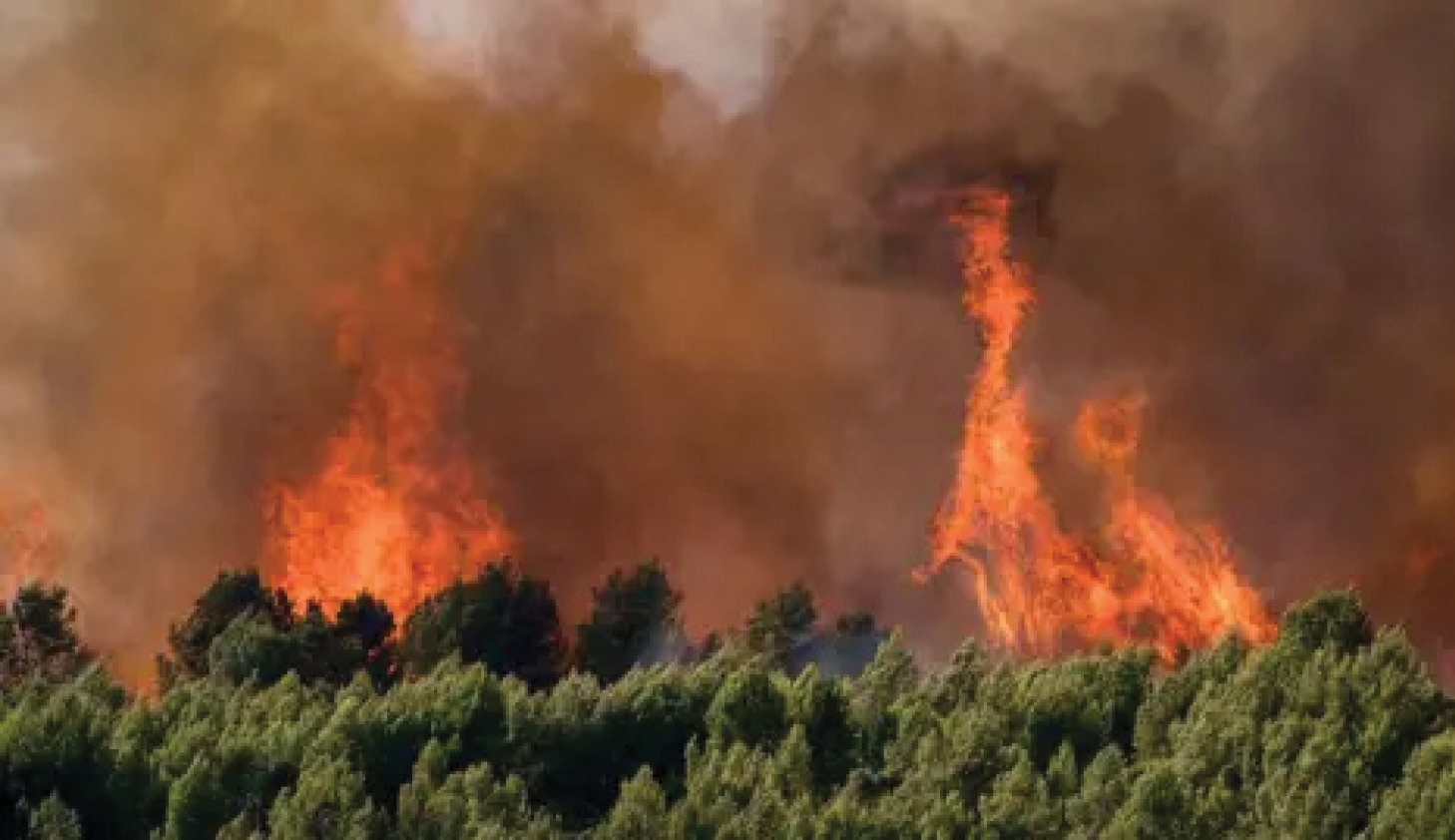
This brings us to a more urgent question: will 2026 finally allow Pakistan to breathe, or will it repeat the turmoil of 2025? By most measures, the past year has been among the worst Pakistan has experienced in the last decade. Political upheavals were frequent and destabilising, terrorism intensified across several regions, and climate change, now recognised as one of the gravest threats of the twenty-first century, pushed the country to the brink. Extreme weather events devastated large parts of KP and Punjab, destroying hundreds of thousands of homes and leaving already vulnerable communities even more exposed.
Against this bleak backdrop, the uncertainties surrounding 2026 are difficult to ignore. Will terrorist groups continue to gain ground, or will they finally be contained and dismantled by the state and its security forces? Will poverty levels decline, or will they deepen beyond what Pakistan endured in 2025? And perhaps most critically, will the country address its long-standing education crisis? Around 25 million children remain out of school, and according to a report by the Pakistan Institute of Education, nearly 20 million children have never attended school at all. If these fundamental questions are answered positively in the coming year, Pakistan could begin to speak meaningfully of stability and prosperity rather than mere survival.
Globally, 2025 was no less turbulent. The year saw escalating conflicts and aggressive military actions, particularly in the Middle East. Israel carried out attacks across multiple regions, including Iran, Yemen, Palestine, Lebanon, Syria, and the Gaza flotilla, further inflaming an already volatile situation. These events were among the most disturbing developments of the year, reinforcing the sense that international norms are rapidly eroding. The situation reached a new and dangerous threshold when the United States launched strikes on Iran on June 22, destroying three Iranian nuclear facilities. Such incidents made 2025 one of the most extraordinary and alarming years of the decade, marked by open confrontation involving the world’s most powerful states.
For Pakistan, already trapped in a cycle of terrorism and economic distress, these global and regional developments only add to the strain. The country finds itself in a precarious position, facing tensions with both Afghanistan and India. While there are so-called ceasefires on both fronts, Afghanistan continues to face accusations of cross-border attacks into Pakistan, keeping the security situation fragile and uncertain. In such circumstances, the state is left struggling to decide what to tackle first: economic recovery, internal security, political reform, or regional diplomacy.
Some years pass quietly, while others become lasting reminders of loss and missed opportunities. 2025 will be remembered as one of those difficult years in which Pakistan lost more than it gained. Moving forward, the country must confront the challenges it carried over from 2025 with clarity, honesty, and resolve. This will only be possible if those occupying the corridors of power genuinely commit themselves to serving the nation and its people above all else.
The writer is a freelance columnist from Ghotki, Sindh.