The recent diplomatic signals from Western powers, particularly the United States and the European Union, regarding Pakistan’s parliamentary elections, have made it clear that any significant delay in the upcoming polls could lead to severe consequences, including the potential downgrading of diplomatic ties, which is a potential cause for concern. The United States and the European Union have a longstanding commitment to democracy and have consistently advocated for its principles worldwide. Elections are seen as the cornerstone of any progressive democratic society, and the concerns raised in Western capitals about election delay in Pakistan are not to be taken lightly.
Pakistan’s 1973 Constitution stipulates that elections must be held within 90 days of the dissolution of the assemblies. However, the recent approval of new census results by the Council of Common Interests (CCI) has led to a fresh delimitation exercise by the Election Commission of Pakistan (ECP), which is set to take up to four months to complete. While a reasonable delay due to this technical process may be tolerated, pushing elections beyond February could trigger serious repercussions for Pakistan. A news report published on these pages cites an unnamed diplomatic source as having expressed concern about the gravity of the situation. “Frankly, if elections are delayed beyond February, it will be extremely difficult for us to maintain the same level of bilateral engagement with Pakistan as we are doing now,” the report quotes the source as saying, and this is exactly what needs to be taken seriously.
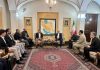
As per the diplomatic signals, the Western countries, which place great importance on democracy, might reconsider their cooperation with Pakistan, potentially affecting Pakistan’s engagement with international financial institutions like the International Monetary Fund (IMF). It’s not only timely elections that Western nations are concerned about; they also demand a level playing field for all political parties. The international community is closely watching these developments, as they have a direct impact on the fairness and transparency of the electoral process. The United States, in particular, has been vocal about the need for free, fair and transparent elections in Pakistan. US Ambassador to Pakistan Donald Blome met with Chief Election Commissioner Sikandar Sultan Raja to emphasize this point.
A statement from the US Embassy reaffirmed that choosing Pakistan’s future leaders is the prerogative of the Pakistani people, highlighting the commitment to fostering a positive bilateral relationship regardless of the election outcome. In response to concerns about potential delay1, the ECP clarified that once the delimitation process is complete, there will be no further postponement of elections. The electoral rolls will be updated simultaneously with the delimitation, ensuring that the election timeline remains intact. We can say that the international community’s focus on Pakistan’s upcoming elections underscores the significance of democracy in modern geopolitics. Pakistan must strive to conduct elections in a timely and transparent manner to maintain its standing on the global stage.
Potential delay or alleged irregularities could have far-reaching consequences, affecting not only diplomatic ties with other countries, but also putting its own economic stability and international partnerships at stake. Pakistan’s commitment to democratic values will be closely scrutinized in the months to come, and its actions will shape its future relationships with Western nations and international institutions.