PESHAWAR
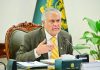
Director of Health System at World Health Organization (WHO) and former federal minister for health Dr Zafar Mirza has said that recent floods at different districts of the province have posed critical challenges to expectant women, adding with the help of a comprehensive primary health care strategy these challenges can be addressed easily.
He expressed these views on Wednesday while chairing a strategic planning meeting organized by Al-khidmat Health Foundation in collaboration with Prime Foundation at Peshawar Medical College (PMC), said a handout.
Dr Zafar Mirza informed the forum that the health of pregnant women in the view of floods and displacement was more necessary and relevant agencies should work along the LHWs LHV, Midwives, and skilled and traditional birth attendants to access expectant mothers and provide them necessary medical assistance.
The meeting was attended by national and international delegates physically and online via the zoom link.
Dr Tariq Cheema from USA, Dr Saadia Malick, Dr. Fozia Alvi from Canada, Dr Ahmed, and Dr. Amatullah Zarrin included the professors and senior faculty members of Obstetrics & Gynecology, Public Health and Mental Health from Peshawar Medical College, Lahore and Islamabad attended the meeting.
Dr Zafar Mirza on the occasion stressed upon the relevant stockholders working in the floods including government departments for maternal and newborn health to develop a comprehensive inventory of ladies through involvement of Lady Health Workers, Lady Health Visitors, midwives, and skilled and traditional birth attendants.
He stressed the need to identify ways and means for building, refreshing, and enhancing the capacity of all tier birth care providers in dignified and safe birthing practices throughout the cycle of pregnancy right from antenatal through natal to postnatal care.
It was of paramount importance to carefully document all the steps of care in local language to act as pregnancy care SOPs in accordance with the WHO and UN guidelines, he added.
Dr Mirza further said that the services need to be provided in a complementary and more cooperative than competitive manner in synergy with the health system partners in the public and private health sectors.
He urged the delegates to think out of the box, innovative and technological solutions, for instance establishing a helpline as a mobile phone was in use by most of the flood victims to date.
He concluded with the assurance that he will try his level best to further reinforce the strategic planning by involving the field experts and engaging the international development partners.
Former federal health minister Dr Zafar also visited the Prime Institute of Public Health where he was briefed by the Director and Program Officer of the PIPH about their health and development projects in collaboration with the UN, international agencies, and the department of health.
He appreciated the public health services profile and efforts of Prime Foundation as managed by PIPH.