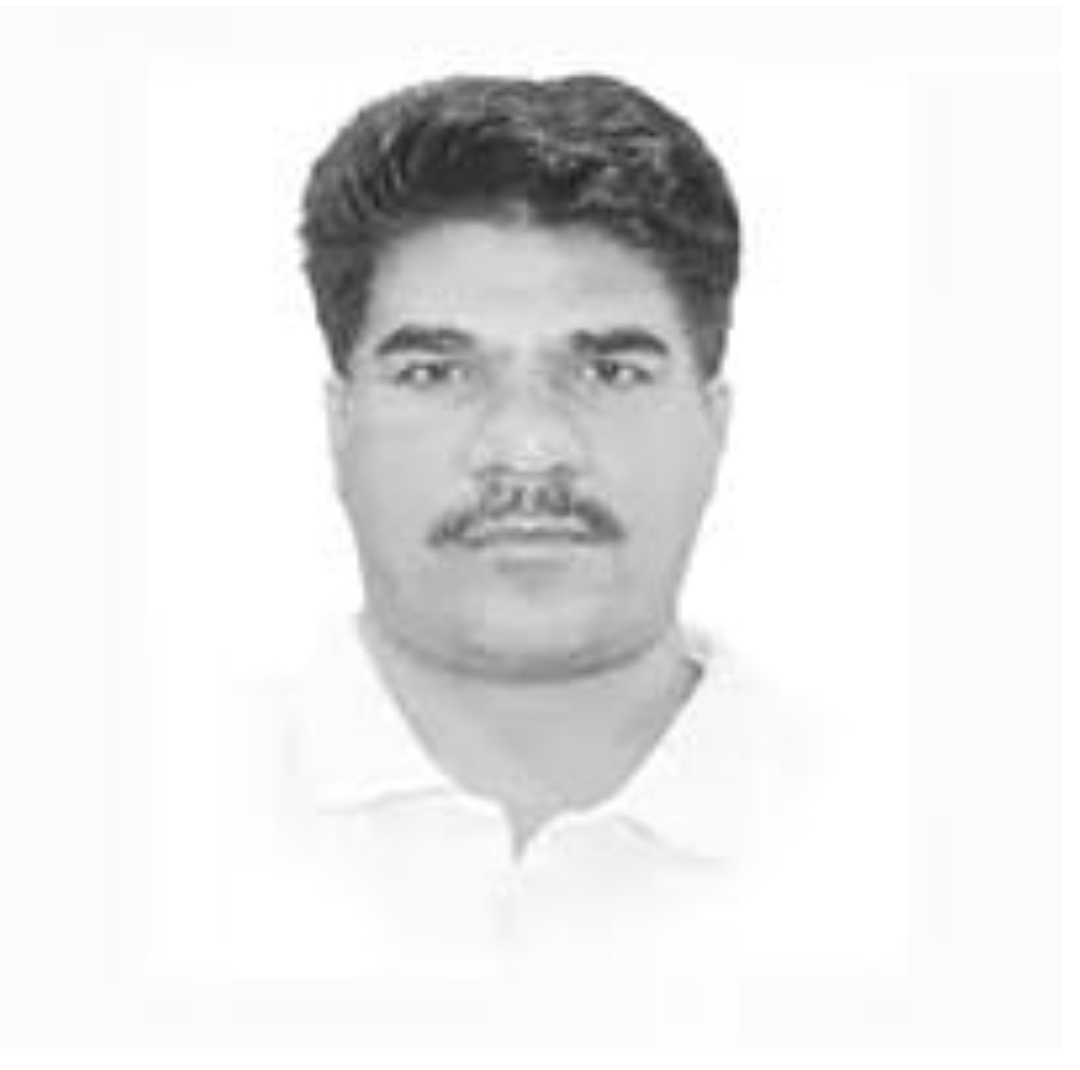
Rana Irfan Rafi
In Pakistan, reading about climate change in a newspaper is the least of anyone’s worries. Each year brings with it new challenges for millions of people. The impact is felt in every corner in the shape of unnatural weather, extreme temperatures, and floods. However, one aspect that is severely overlooked is eco-anxiety. Eco-anxiety is the harsh and constantly increasing stress caused by environment related changes.
Eco-anxiety describes the extreme concern, fear, or hopelessness people have regarding the environment’s present condition and the bleak future it holds. For many people in Pakistan, especially those with first-hand experience of natural disasters, eco-anxiety is something that needs to be dealt with. It is more than a psychological condition; it goes beyond mental health, affecting social life and even personal planning. When people think the world is collapsing, the feeling of helplessness is debilitating and leads to overwhelming emptiness and anger. Pakistan is among those countries worst affected by climate change. While people in the south face droughts leading to famine, the northern communities suffer from glacier melting and floods. The 2022 floods led to millions of people being displaced from their homes. In villages, families who have worked the land for centuries are now struggling to access clean drinking water and food. For most children in these communities, the hope of a safe future is fading daily. This insecurity is what fuels eco-anxiety. It is not simply the dread of an environmental apocalypse. It is the fear of whether there will be resources like food, water, and shelter in the future and if the future is free from illness. These fears are indeed plausible, especially when no positive outcomes are visible. The unprecedented psychological burden of eco-anxiety is emerging in new ways. This has affected the youth in Pakistan the most. They are coming of age at a time that is much more hostile and unpredictable than the world their parents knew. The tangible impacts of climate change are difficult to ignore, coupled with the overwhelming perception that while they are blamed for these challenges, the reality is they didn’t create them. Stressors can manifest themselves in mental burnout, depression, and an acute decrease in motivation for work or study. Social media does help, but not the way you would expect. While it raises awareness, it gives people the overwhelming feeling of information overload. Images depicting burning forests, dying animals, and flooded towns do evoke a strong reaction but induce stress and fearful levels as well. Without proper backing, those fears will escalate and result in severe mental health problems. When speaking about eco-anxiety, it doesn’t exist as a term in rural areas, but in fact, it does exist. Farmers who no longer rely on rainfall, fishermen with shrinking catches, and parents concerned about the pollutants in water that their children are drinking all have a weight of climate change around their hearts. The simple act of talking about their experiences makes them feel less lonely. It is often pointed out that support from members of an individual’s immediate community can be critical, especially when referring to the support people provide each other with during tough times. The same can be achieved to an extent by setting up classes on climate change for different school levels and at community centers which get the elderly involved. Nothing inspires change like educating people about problems they know little about! Elderly community members, schoolteachers, and even religious leaders can be of aid. Climate stress is not an easy discussion topic, but it is one that needs to be normalized, especially among the adults of children trusted. The government should start acknowledging eco-anxiety as an official diagnosis. The establishment of policies that simultaneously protect nature while also considering the mental wellbeing of the population is vital in this scenario. The government could shift attention towards renewable energy sources as well as fuel-free prepared measures for natural disasters. People need to know that it is alright to lose control from time to time over little things; they also need to understand that they have the right to declare these things anxiety-inducing. People have endured floods, droughts, and other issues. This resilience can be used for the psychological and emotional challenges of climate change as well. There can be collaboration and supportive synergy, and even small efforts can have a positive impact in fighting eco-anxieties and a sustainable world tomorrow. In Pakistan, eco-anxiety is a genuine concern, though often left unspoken. It is an issue that affects people of all ages and walks of life and is inextricably linked to the very palpable impacts of climate change.
Author is associated with Sdpi (Sustainable Development Policy Institute ) as project assistant and can be reached at irfanrafi@sdpi.org