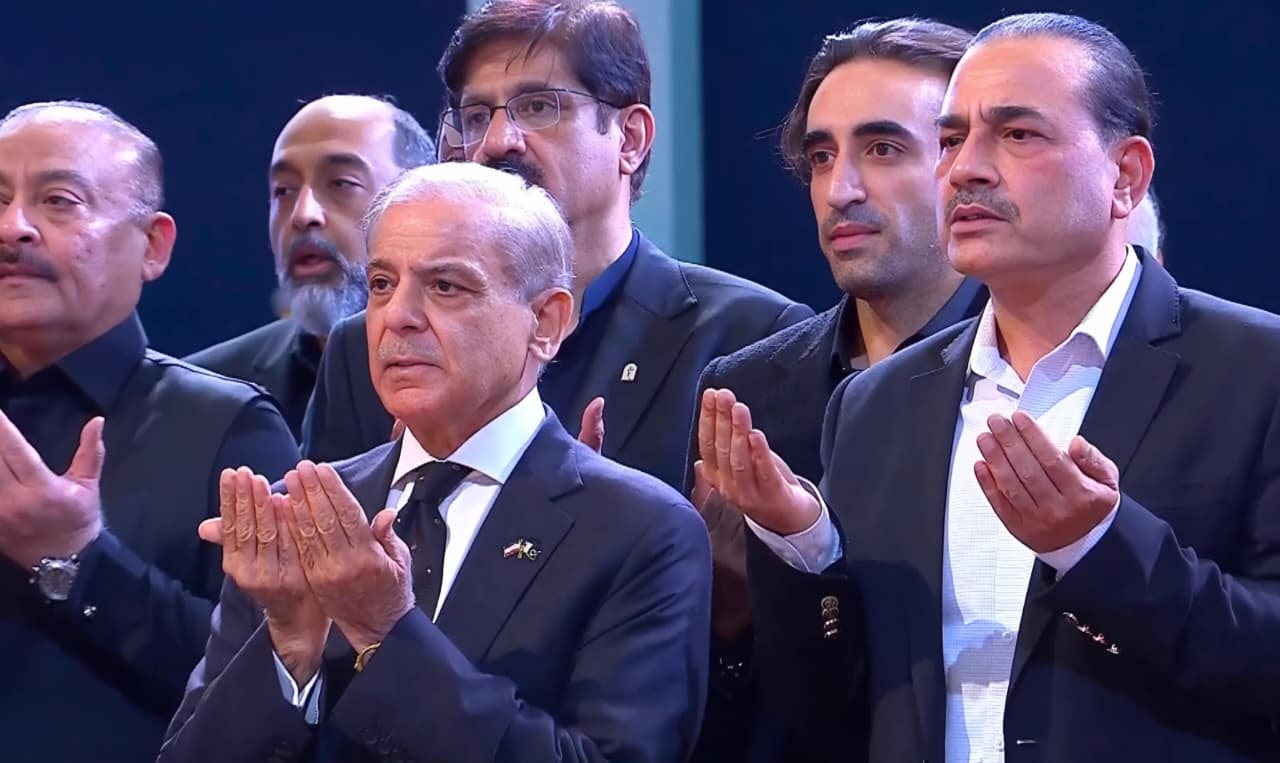
When Pakistan lands at the COP30 climate summit in Brazil next week, it will do so with both a burden and a bold new voice. For the first time, Punjab, the country’s largest province, will join as a full participant. Chief Minister Maryam Nawaz Sharif, leading the delegation, brings a portfolio of “Clean Punjab” projects on waste management and electric transport, signalling that Pakistan is no longer content to stand on the sidelines of the global climate stage. Her presence in Belém might mark a new era of provincial climate leadership and a chance to demand justice for a nation battered by a crisis it did little to cause.
Pakistan contributes less than one per cent of global greenhouse gas emissions, yet ranks among the world’s worst victims of climate catastrophe. Year after year, we are battered by monsoons of biblical proportions, the most disastrous of which drowned one-third of the country in 2022, killed nearly 1,700 people, and caused damages exceeding $30 billion.
At least 6.9 million were affected this monsoon. The international response, however, remains tragically meagre. Planning Minister Ahsan Iqbal called it “an irony” that a world pledging $100 billion a year in climate finance “did not provide even $1 billion” when Pakistan was underwater.
Still, Pakistan’s story is not one of victimhood but of persistence. It has set its sights on COP30 with proposals for recovery and adaptation, demanding that global pledges finally turn into payments.
The Loss and Damage Fund, born at COP27, remains largely empty: $700 million pledged, $300 million received, not a single dollar delivered to Pakistan.
Half the fund is already earmarked for small island states, leaving vulnerable nations like ours to compete for crumbs. Civil-society groups call it “a band-aid on a bullet wound.” The fund meant to act as an emergency lifeline has instead been strangled by bureaucracy.
Behind this paralysis lies the old North-South divide. Wealthy nations invent conditions and audits before releasing funds, and the vulnerable are told to wait. Meanwhile, climate disasters strike with growing ferocity. The hypocrisy is plain. Those who built their wealth on centuries of carbon pollution now hesitate to pay the debt.
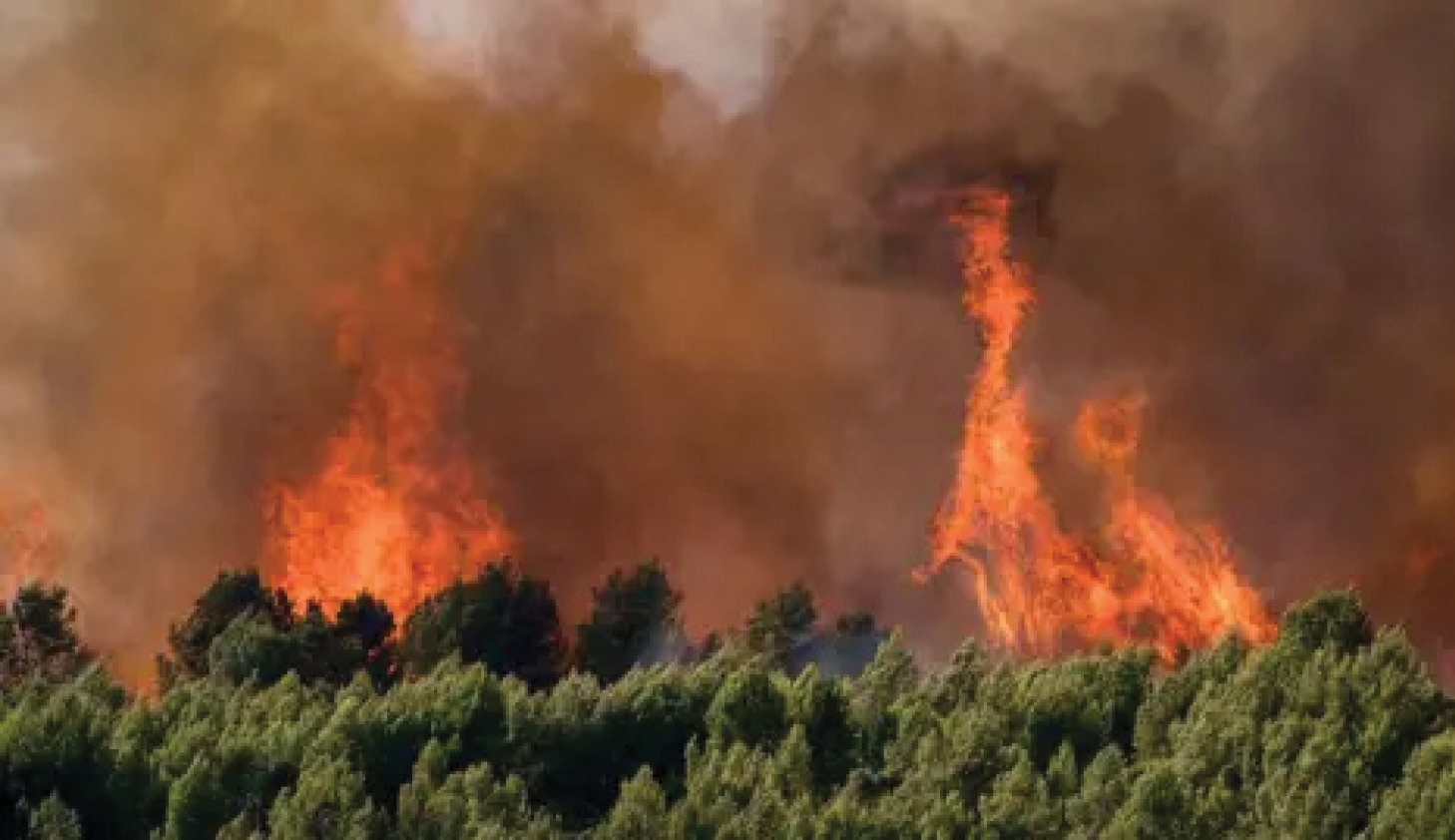
COP30 must break this cycle. Belém cannot become another stage for eloquent speeches and empty gestures. The summit coincides with a grim milestone: a decade since the Paris Agreement, halfway to 2030, and with 1.5 °C already breached. Without radical action, the planet is headed toward a 2.6 to 2.8 °C rise, an existential threat.
Justice delayed is justice denied. The world owes Pakistan and the Global South not sympathy but solidarity in funds, technology, and action. The planet, and Pakistan with it, cannot survive another broken vow.