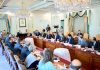
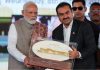
Khyber Pakhtunkhwa Governor Faisal Karim Kundi put terrorism at the top of the agenda as he chaired the first meeting of the province’s newly constituted Advisory Council. The 11-member body has promised to strengthen the police and Counter-Terrorism Department and go after those financing and facilitating militant networks. Kundi also emphasised that Pakhtuns are not the cause of terrorism and have been among its principal victims.
There is little time for the administration to find its feet. On the same day, ISPR said a soldier was martyred, and 12 militants and Afghan Taliban personnel were killed after an infiltration attempt in Kurram.
The province suffered 413 terrorist attacks in 2025, according to the Pakistan Institute for Peace Studies, 40 per cent more than the previous year. They killed 581 people and injured 698. More than 60 per cent of those attacks were concentrated in six southern districts, including the two Waziristans, Bannu, Tank, Lakki Marwat and Dera Ismail Khan.
September offered no respite. PICSS counted 225 militant attacks across Pakistan, the highest monthly total in 12 years, with 259 fatalities. Mainland KP recorded 58 attacks and the former tribal districts another 34.
Kundi is right to put the police and CTD near the centre of the response. The attack on Kohat Police Lines last month showed why. Militants used an explosives-laden vehicle and an armed assault against a compound housing key police facilities, killing 23 people and injuring more than 100. Police stations, checkposts and investigators have been hit repeatedly because weakening them makes it easier for militants to carve out space long after a military operation is over.
The Afghan dimension cannot be wished away either. A UN monitoring report said in August that the Taliban authorities had continued supporting the TTP, although they had relocated around 2,000 fighters and their families away from areas near Pakistan. No provincial administration can settle that problem on its own.
Islamabad has to deal with Kabul while KP plugs the gaps militants continue to exploit at home.
The constitutional and political arguments will run their course, but the federal administration now has far less room to blame provincial non-cooperation for shortcomings in the counterterrorism response. The Centre has justified its intervention in large part on security grounds. Still, the Advisory Council will be judged less by the language of its first meeting than by what changes on the ground.