The monsoon spell that started in the second week of July 2022 caused widespread flooding and has led to extensive human and infrastructure damage across many parts of Pakistan. According to the National Disaster Management Authority (NDMA), Monsoon Situation Report, which was published on August 30, 2022, 1,162 people have died and 3554 are injured in the country. Around 1,057,388 houses were damaged (including 324,386 fully and 733,002 partially damaged). In addition, around 5063 kilometres of roads have been washed away, 243 bridges have collapsed, many shops have been destroyed and 730,483 animals have died. Moreover, Sindh province is affected most adversely by heavy rainfall and resultant flooding in Pakistan. The Provincial Disaster Management Authority (PDMA) Sindh reported 405 deaths and 1074 severe injuries. Around, 896,084 houses have been damaged. Moreover, 2328 kilometres of roads and infrastructure has vanished, bridges have collapsed, and 15,435 livestock perished in the province.
Sindh is Pakistan’s second-largest province but remains one of its poorest. An estimated 10 million people have been affected by the floods. Presently, these affected people are in desperate need of shelter and emergency medical assistance. The situation is similar in the restive southwestern Balochistan province.
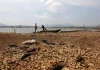
Near the city of Khairpur, thousands of mud homes were sunk underwater. For miles, all that was visible were treetops. Where the water level was slightly lower, thatched roofs creep out from underneath the water. Nearly all of the country’s crops, along with thousands of livestock and stores of wheat and fertiliser, have been damaged – prompting warnings of a looming food crisis.
The people in Khairpur Mirs, Ghotki, Shiekparpur and Sukkur are desperate for food, and shelter and importantly children are having waterborne diseases, particularly skin diseases. The desperation evident in every community.
This flood water gave rise to a serious health crisis, with thousands displaced by deluges and now being inflicted by various diseases, mainly water-borne. According to the Sindh provincial health department, some 71,398 people were logged by authorities to have arrived for treatment at the various medical camps set up across the province, with complaints largely linked to waters that have stagnated in the aftermath of the floods. Of the thousands of people who were tended to, a disproportionately high number of acute respiratory infections – 13,989 – were mentioned in official Sindh health department data. Some 12,777 people complained of diarrhoea, 13,672 skin diseases, 8,515 suspected malaria, with 415 confirmed, and 33 had dengue. Another 22,413 were ill with other ailments. Cumulatively, more than three million displaced people have received treatment since July 1.