Government urged to adopt India-style GST simplification
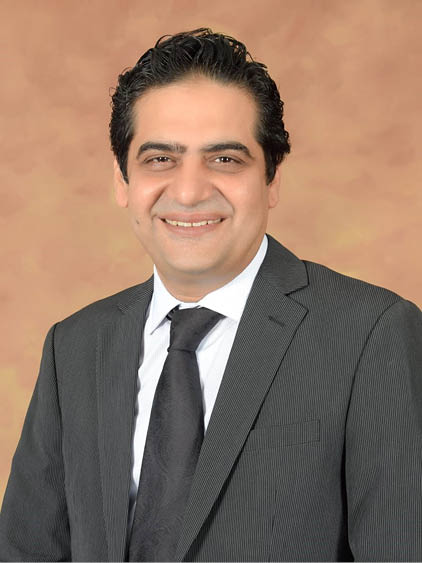
ISLAMABAD: The Federation of Pakistan Chambers of Commerce and Industry (FPCCI) former vice president Muhammad Ali Sheikh has called upon the government to take urgent steps toward simplifying Pakistan’s Goods and Services Tax (GST) regime on the pattern of India’s bold reform. In a statement issued here today, FPCCI former vice president said that India’s decision to cut down its GST structure from five tax slabs to just two main rates – 5 per cent and 18 per cent – is a lesson for Pakistan on how to remove unnecessary complications from the tax system and unlock growth. Muhammad Ali Sheikh said that by eliminating the 12 per cent and 28 per cent brackets, India expects reduced compliance costs for businesses, boosted consumption of essentials, and streamlined operations. Early projections already suggest increased consumer spending power and easier tax administration there. Pakistan, he said, should not lag behind and must also move quickly to simplify its own complex GST regime which has become a major impediment for traders and industry. News Desk
FPCCI leader noted that Pakistan’s tax system currently imposes a heavy bureaucratic burden on businesses, discouraging compliance and creating loopholes that promote evasion. Simplified GST rates, he argued, would encourage voluntary compliance, cut down on corruption and disputes, and free up resources for productive investment. “With the economy under stress and fiscal pressures mounting, a cleaner and more predictable tax structure is no longer optional, it is essential,” he said.
FPCCI former VP stressed that adopting a two-tier GST model similar to India’s could enhance revenue collection while making essential goods more affordable for citizens. By reducing the cost of doing business, such reform would also stimulate production and job creation, ultimately strengthening the domestic economy. “The government must recognise that punitive and complicated taxation is hurting both businesses and consumers. We need to restore confidence by introducing a transparent, fair and simple GST regime,” he added.
He urged the finance ministry and the Federal Board of Revenue to immediately begin consultations with trade bodies and experts to design a phased transition to fewer GST slabs, arguing that business confidence and long-term investment will only return if investors see a stable, growth-oriented tax policy. “Pakistan can learn from India’s experience that bold simplification brings dividends in the form of higher compliance and growth,” he concluded.