Lahore
The Ferozepur Road Industrial Association (FRIA) has expressed serious alarm over the continued suspension of export cargo movement due to protest blockades in Sindh, warning that industrial supply chains are under extreme stress and the country’s exports are at grave risk.
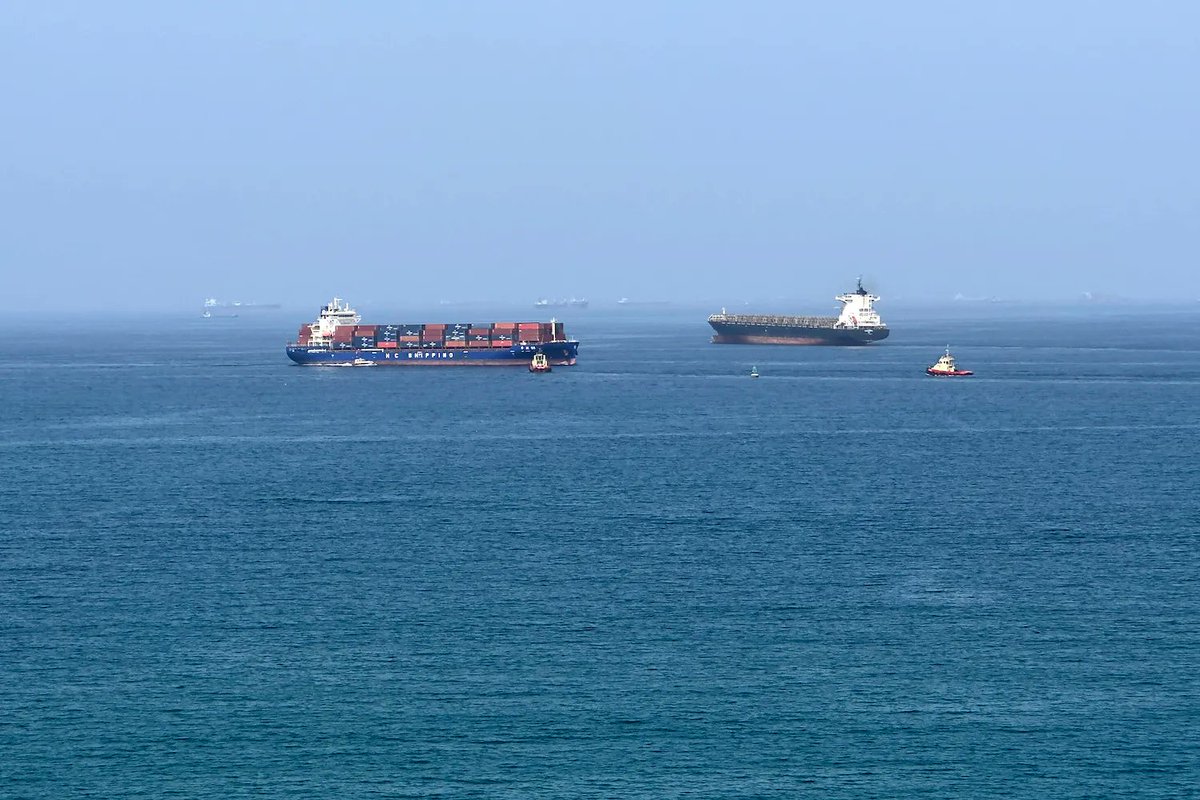
In a statement issued on Tuesday, FRIA Chairman Shahbaz Aslam said that the prolonged demonstrations have paralysed key routes leading to Karachi’s ports, leaving containers stuck for several days and disrupting production timelines across multiple sectors — especially textile and garments.
“The manufacturing sector operates on strict deadlines. When goods don’t move, orders are delayed or cancelled altogether. The damage is not limited to one industry — it’s hitting exporters, transporters, port operations, and factory workers alike,” he stated.
According to Shahbaz Aslam, a growing number of exporters are reporting financial losses due to missed vessel bookings, rising demurrage charges, and warehouse overflow. “Garment consignments ready for shipment are lying idle while international buyers are growing increasingly impatient.
This is sending the wrong signal to global partners who value predictability and punctuality,” he added. He emphasized that the consequences of these delays extend beyond economic losses.
“Pakistan’s position in international markets depends on consistency. We’re competing with countries that offer much smoother logistics and better risk management. Continued disruption like this pushes orders out of Pakistan,” he warned.
Shahbaz Aslam also highlighted that Lahore’s key industrial zones, particularly along Ferozepur Road, are suffering from the downstream impact of halted transport. Many production units are unable to dispatch finished goods, and others are facing raw material shortages due to the disruption of incoming supplies.\
The FRIA Chairman called for the creation of dedicated “export corridors” that would remain operational regardless of political or protest situations. “Exporters are not asking for favours — they’re asking for protection of what brings valuable foreign exchange into the country. This is a national interest, not a local inconvenience,” he stressed.
Shahbaz Aslam also appealed to protestors and organisers to consider the broader impact of prolonged blockades on the country’s economy and employment. “Workers in the industrial sector are the first to suffer when orders stop coming in. The livelihood of thousands depends on uninterrupted trade,” he added.
In closing, FRIA urged for dialogue, responsible leadership, and immediate action to prevent further loss. “If exports stop, the economy suffers — and so do jobs, investment, and trust. We must act now, before the damage becomes irreversible,” said Shahbaz Aslam.