Dr Aqib Sagheer
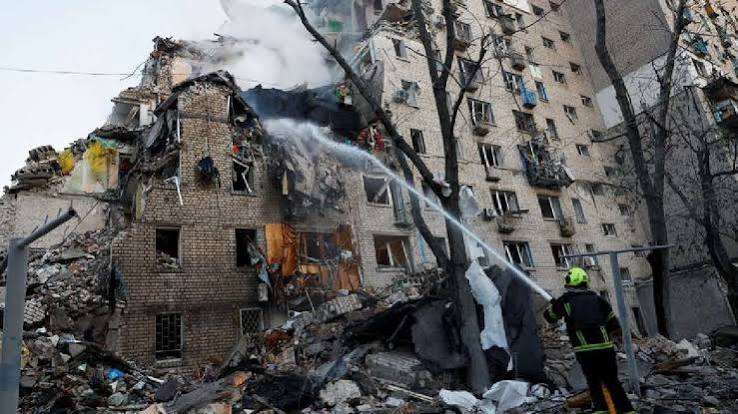
Washington and Gaza, February 2026 A new global initiative, called the Board of Peace and chaired by U.S. President Donald Trump, has begun its work to aid reconstruction and promote stability in the Gaza Strip after years of ongoing conflict between Israel and Palestinian factions. The region, known for its volatility, faced a significant escalation in October 2023 when Hamas launched attacks on Israel, leading to a massive military response from Israel that resulted in substantial civilian casualties and extensive damage to infrastructure.
As a result of a ceasefire agreement reached in late 2025, hostilities have decreased significantly; however, sporadic incidents continue to occur, and the humanitarian situation remains dire. This agreement includes key provisions for rebuilding, transitional governance, and demilitarisation under international oversight.
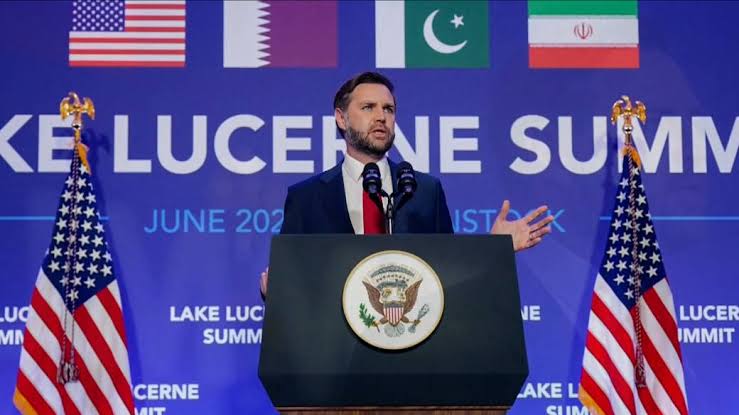
Earlier this month, the Board of Peace convened for its first meeting in Washington D.C. The United States has committed $10 billion towards reconstruction efforts, alongside pledges from other nations that contribute additional billions. The initiative aims to repair infrastructure and housing damaged in the conflict, establish an international stabilisation force of up to 20,000 troops and 12,000 police officers for security assistance, and collaborate with neighbouring countries, like Egypt and Jordan, to train local police forces. This initiative is designed to complement ongoing efforts led by the United Nations, ensuring that international assistance reaches those in need and that reconstruction initiatives are executed effectively.
While the initiative has received a warm welcome from many nations, concerns about representation and decision-making persist. Officials from the European Union and analysts have pointed out the absence of direct Palestinian leadership on the Board, which could pose challenges to its credibility. Governments such as Pakistan have stressed that meaningful political inclusion and adherence to international agreements regarding Palestinian rights are crucial for achieving lasting peace.
Despite the financial commitments, Gaza continues to grapple with significant challenges. The urgent humanitarian needs, including healthcare, water access, and temporary housing, remain unmet. Moreover, security arrangements and the disarmament of armed groups are still unresolved issues. Experts warn that while financial aid and international oversight are necessary, they are not sufficient on their own; enduring peace demands political solutions that respect sovereignty and security for both Israelis and Palestinians.
Observers emphasise that the Board of Peace signifies a major effort towards stabilising Gaza and supporting its recovery. However, its success hinges on international collaboration, inclusive local political engagement, and a sustained focus on humanitarian and security issues. They assert that without meaningful political and diplomatic efforts alongside reconstruction, the long-standing conflict is unlikely to be resolved.
The situation in Gaza continues to be precarious due to a long history of conflict and intricate political issues. In October 2023, Hamas launched a series of attacks that prompted a strong military response from Israel, resulting in significant destruction and a tragic loss of civilian lives. Intense fighting persisted throughout 2023 and into 2024, sparking widespread calls from the international community for a ceasefire. By 2025, a pivotal agreement was established, outlining plans for reconstruction, demilitarisation, and transitional governance under international oversight. Early in 2026, the Board of Peace was formed, committing substantial financial and logistical assistance. A notable meeting in Washington D.C. in February 2026 introduced initiatives for stabilisation forces, police training, and infrastructure rebuilding. As reconstruction efforts progress, both humanitarian crises and political discussions remain at the forefront.
Throughout these initiatives, international observers and advocates for humanitarian aid stress that, in addition to reconstruction and diplomacy, the main objective must focus on safeguarding human life, fostering peace, and averting future conflicts. There remains a glimmer of hope that, through collaboration, understanding, and a united dedication to our shared humanity, a durable peace can be achieved, paving the way to prevent the conflicts of the past from recurring. We hope for the peace and prosperity in Gaza and any future decisions will be taken by people of Gaza.