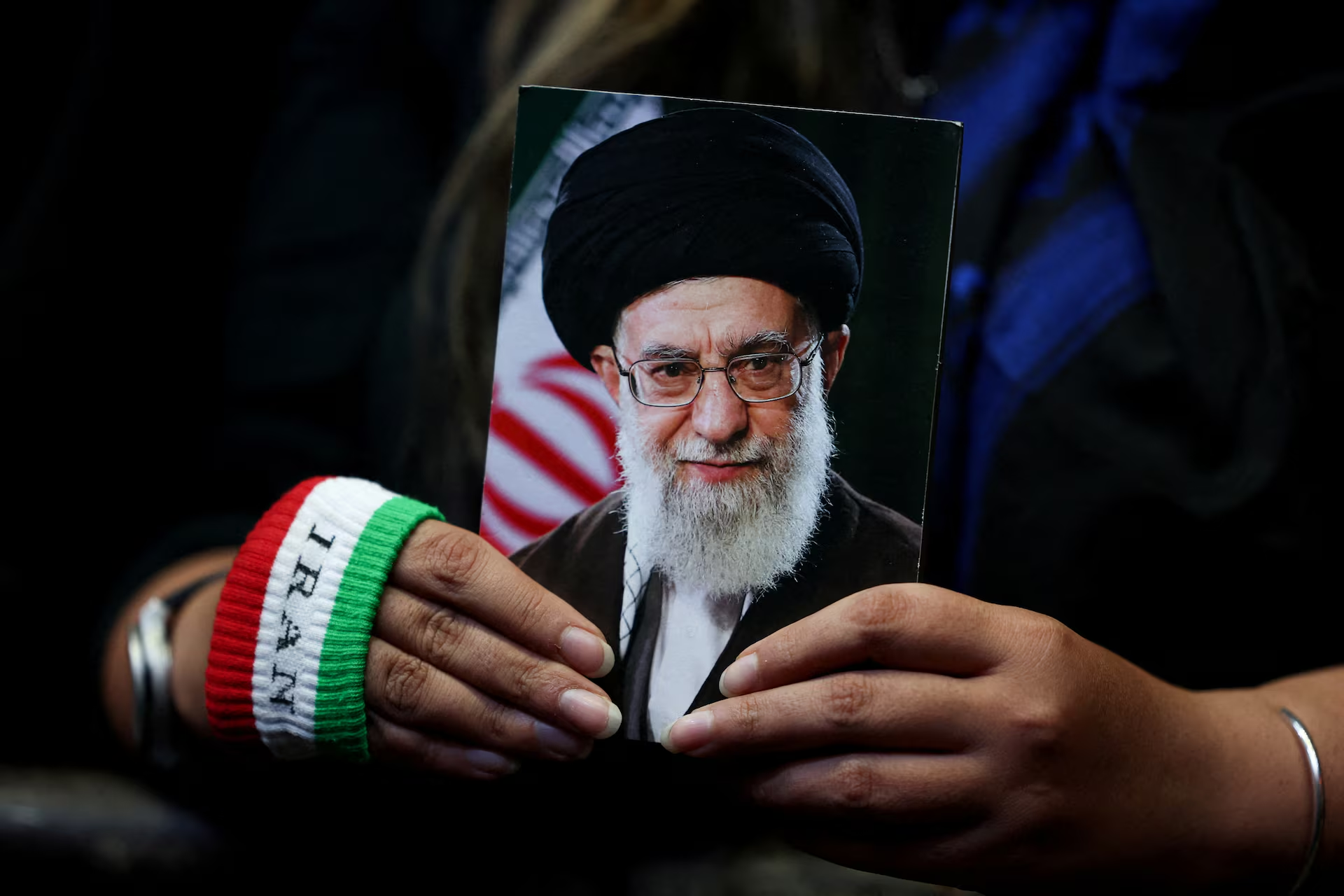
Reports that Israel had considered assassinating Iran’s Supreme Leader, Ayatollah Ali Khamenei, have deepened fears of a region teetering on the edge. According to credible American sources, the plan was ultimately not pursued, thanks to President Donald Trump. Whether leaked intentionally or not, the very existence of such a plan is alarming. Throughout modern conflict, states have largely avoided targeting the top leadership of rival nations. Such moves tend to cross thresholds that make de-escalation nearly impossible.
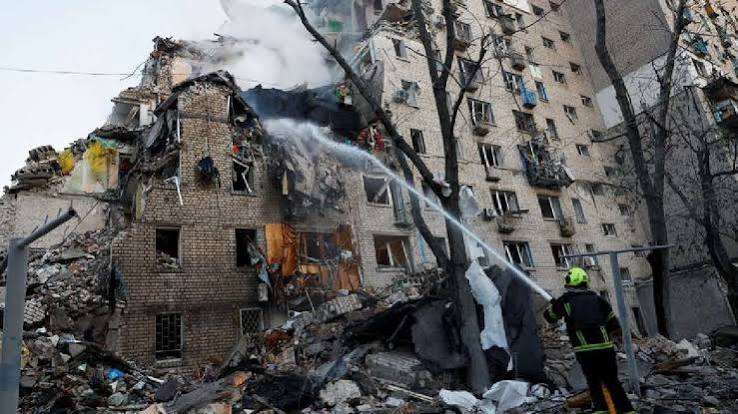
Israel has long acted with strategic impunity in the region, often shielded from consequences by its powerful allies. Its conduct in Gaza, widely condemned by human rights organizations, reveals a pattern that prioritizes force over diplomacy. The idea of extending this violence to the top echelon of a sovereign state shows how far the Israeli establishment may be willing to go to preserve regional dominance.
The attempted normalization of this strategy is equally concerning. It points to a security doctrine that no longer seeks containment, but complete elimination of adversaries, even at the risk of igniting a wider war. This does not promote peace. It raises the risk of miscalculation, retaliation, and prolonged instability.
At the same time, a secondary narrative is being pushed. Indo-Israeli disinformation networks have begun to suggest that Pakistan, China, and Russia are clandestinely aiding Iran. These claims are being circulated without verifiable evidence, but with clear political intent.
There is no credible intelligence to support this narrative. What we are witnessing is not informed foreign policy discourse. It is an information operation designed to conflate independent state policies with conflict sponsorship. The goal is to broaden the theatre of blame, justify aggressive postures, and isolate Tehran through guilt by association.
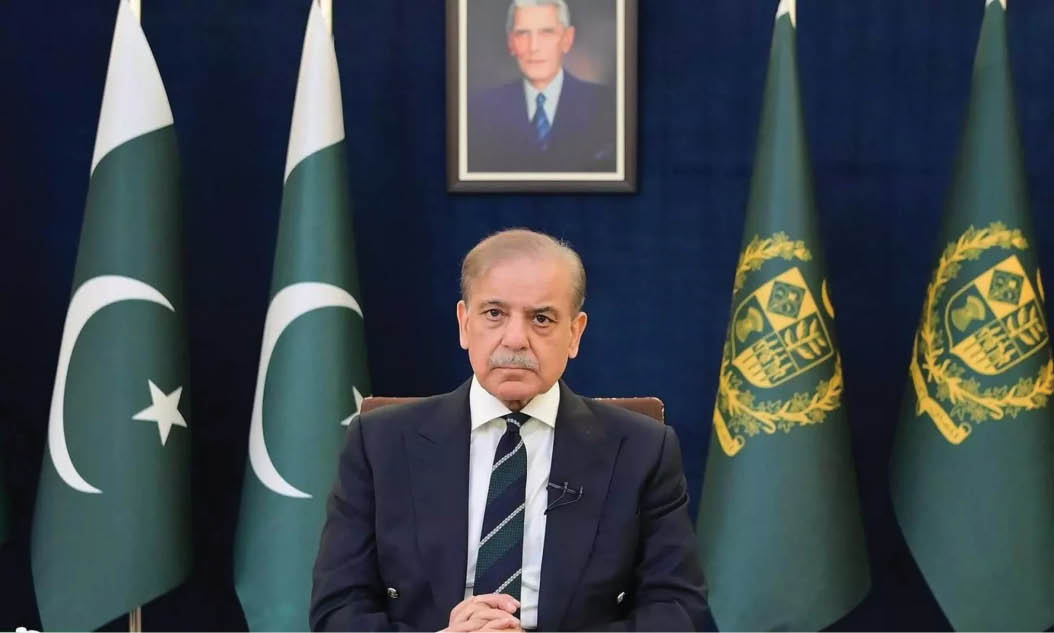
Pakistan’s position remains principled and clear. We seek stability in the region and do not support escalation driven by others. Attempts to implicate us in a supposed anti-Western axis are not only misleading but strategically irresponsible.
There is also a recurring pattern. Whenever a unilateral action faces global scrutiny, a wave of disinformation follows to spread the blame. The current messaging fits that template. It seeks to deflect from Israel’s own conduct by constructing a broader narrative of confrontation.
The Middle East does not need secret plots or false alliances. It needs a return to diplomacy, clarity, and lawful restraint. Destabilizing the region through covert plans and manufactured accusations will not bring security. It will only prolong the suffering of millions.