Amid reform commitments
Aurangzeb assures IMF Pakistan remains committed to sound policies, reforms for sustainable growth
Islamabad
The executive board of the International Monetary Fund (IMF) on Friday approved $1.2 billion worth of loan tranches after Pakistan accepted a dozen new conditions and assured it would stick to the pre-war programme targets to stay on the course of stabilization.
With the fresh approval, Pakistan has so far received a $4.5 billion loan from the IMF against two separate debt packages totaling $8.4 billion. Pakistan has access to another $1 billion under the Extended Fund Facility and $200 million under the Resilience and Sustainability Facility.
The money would be disbursed early next week, which will take the central bank’s reserves to over $17 billion, said government officials.
However, the government had to stick to the old fiscal and monetary targets and gave a commitment to stay on the path of stabilization despite strong voices against these policies that have caused higher unemployment, higher poverty, and higher income inequality.
The IMF executive board also approved a modification of one end-June performance criterion, specifically the floor on net international reserves of the SBP. It also set new performance criteria for end-December 2026 and end-June 2027 for the central bank. The $1 billion debt would be used for balance of payment support, while the $200 million is given in budget support, according to government officials.
The IMF approval came after the government showed better performance against the fiscal and monetary targets, but there were divergent views about the path during the second half of this fiscal year.
The IMF mission had reviewed the performance of Pakistan’s economy for the July-December 2025 period, covering the third review of the $7 billion bailout package.
Pakistan met all end-December 2025 quantitative performance criteria and also outperformed against the floor on net international reserves and comfortably met the general government’s primary balance target.
The government also met six of eight end-of-December 2025 indicative targets, but the Federal Board of Revenue remained the weakest link. It missed the targets on net tax revenues collected by the FBR and income tax revenues from retailers, which fell short of IMF targets.
However, the government assured the IMF that it would remain focused on implementing revenue administration reforms to minimize the shortfall by the end of the fiscal year. To offset the impact of the revenue shortfall on the IMF target, the government has increased petroleum levy rates.
The government also made some progress on structural reforms and met four structural benchmarks in the areas of governance, social support, gas sector sustainability, and special technology zones on time.
As part of the conditions under the $1.2 billion climate facility, the government adopted a green taxonomy and issued guidelines on the management of climate-related financial risks and on listed companies’ disclosure of climate-related risks and opportunities.
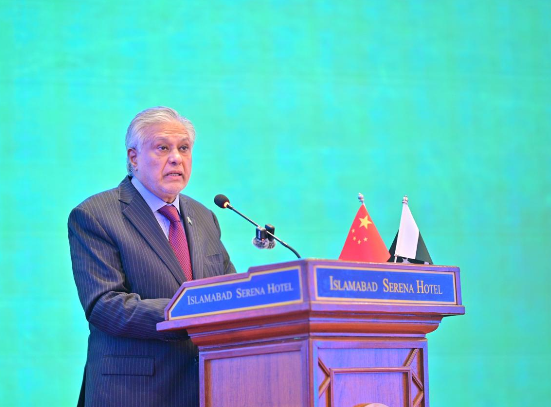
Finance Minister Muhammad Aurangzeb assured the IMF that the country remains committed to continuing with sound and prudent macroeconomic policies and structural and institutional reforms to place Pakistan on a path toward long-term sustainable and inclusive growth.
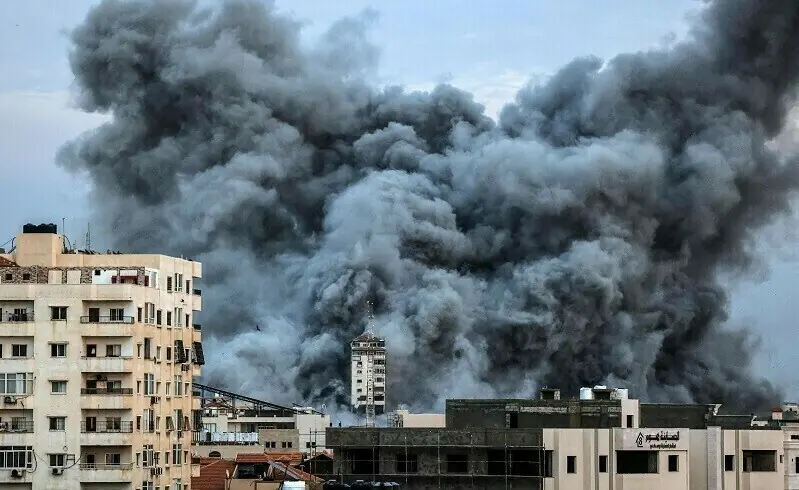
The fresh assurances have also been given to provide the foundation to withstand shocks, including the impact of the Middle East war, said government officials.