PHMA says DISCOs should be held accountable for losses and mismanagement
Islamabad
The Punjab’s industrial community, particularly the value-added textile export sector, on Monday condemned the proposed increase in base tariffs sought by the power distribution companies including IESCO, FESCO and LESCO, describing the move as unjustified and disastrous for an already struggling manufacturing base.
Industrial associations questioned why the government continues to allow DISCOs to demand further tariff escalation when electricity prices have already risen and when power consumption is visibly declining due to closures of industrial units.
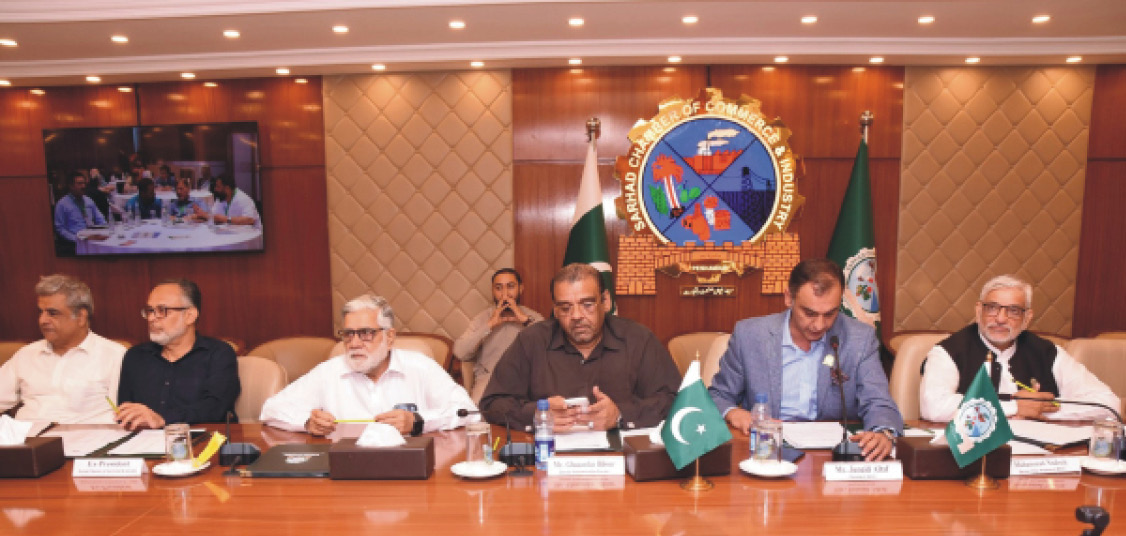
Reacting to the public hearing conducted by NEPRA, the Pakistan Hosiery Manufacturers and Exporters Association (PHMA) North Zone said the proposed rebasing and upward revision of Net Distribution Margins would further cripple production, particularly in Punjab where exporters are paying the highest electricity, gas tariffs and other utilities in the region.
According to industry leaders, Pakistan’s energy prices now exceed those of India, China and Bangladesh by a wide margin, leaving local exporters unable to compete in global markets.
PHMA Zonal Chairman Abdul Hameed said the industry was already under unbearable pressure from high power tariffs, RLNG prices and rising input costs, and warned that any further increase would accelerate the shutdown of small and medium-sized production units.
He added that the government should finally end the controversial practice of granting free electricity to elites — including high government officials, judges and former dignitaries — because the burden of those “free” units is ultimately shifted to ordinary consumers and industry alike.
Such preferential treatment amounts to blatant discrimination: while exporters and workers struggle to pay skyrocketing bills, a small privileged class continues to enjoy subsidized electricity at the public’s expense.
Abdul Hameed questioned the logic of allowing DISCOs to seek higher NDMs despite their continuous operational inefficiencies and falling electricity sales.
He said that instead of demanding increases every few months, the distribution companies should be held accountable for losses, poor recoveries and mismanagement.
He added that the purpose of restructuring was to reduce costs and improve service, but tariffs have increased repeatedly while performance has not improved.
Former PHMA Chairman Shehzad Azam Khan said tariff escalation at a time when industries are scaling back operations defies economic sense.
He said Pakistan’s industrial power consumption has been falling for months, reflecting the inability of manufacturers to sustain production at current energy prices. He added that granting further tariff hikes to DISCOs would only push more factories toward closure and reduce the country’s already shrinking export base.
Shehzad Azam noted that global buyers are unwilling to pay higher prices and Pakistani exporters are losing orders to competitors whose energy tariffs remain significantly lower. He said that even though the government claims RLNG reliance has decreased and global fuel prices have stabilized, electricity rates in Pakistan continue to rise without justification.
Former PHMA Zonal Chairman Naseer Butt said the export-oriented sector in Punjab is heading toward a collapse. He said industrial units are shutting down quietly every month and thousands of workers are being laid off as manufacturers fail to cope with energy bills that have more than doubled in recent years.
He said it was alarming that despite the economic slowdown, Discos continue to present inflated cost projections and seek additional charges from an industry that is already struggling for survival.
He added that the government must explain why the tariff burden of inefficiencies, capacity payments and administrative costs is repeatedly transferred to industry, even though the intent behind privatization was to reduce such pressures.
Naseer Butt said that instead of facilitating growth, frequent tariff increases are eroding Pakistan’s industrial foundation and undermining long-term economic stability.
The industry representatives warned that if the proposed hikes are approved, the province could witness a wave of closures across the textile, apparel and SME sectors, leading to a further drop in exports and widespread job losses.