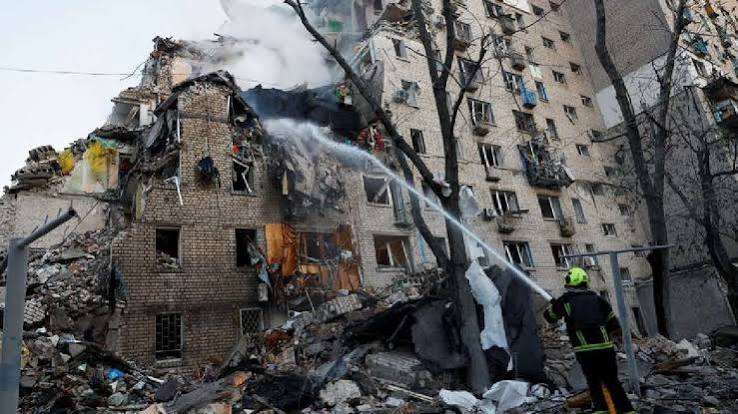
The suicide bombing at Imambargah Khadijah-tul-Kubra in the federal capital– killing 31 and wounding 169 – shattered the uneasy calm on Friday. An investigation is underway with several injured still in critical condition. It was the deadliest mosque attack since the January 2023 blast in Peshawar’s police lines.
This carnage arrives amid a renewed surge in militancy as just days earlier, separatists in Balochistan claimed nearly 50 livesin coordinated raids. According to security monitors, 2025 saw a 60% jump in militant attacks, going down in history as the bloodiest year in a decade.
That this bomb struck an Imambargah is no coincidence. Militant outfits have long declared a war on Pakistan’s Shia community, which makes up roughly a fifth of the population. Rights monitors estimate thousands of Shias have been killed over the past decade. More than 500 Hazara Shias alone were butchered in Balochistan between 2013 and 2017. The Quetta press vividly recalls how Hazara families camped in freezing streets for days, demanding protection of their dead. We have yet to rise above those haunting moments–shouting mothers, bloodied bodies and a sitting prime minister’s unfazed response: “Don’t blackmail me.” Now, 13 years later, the same community’s blood has again stained the heartland.
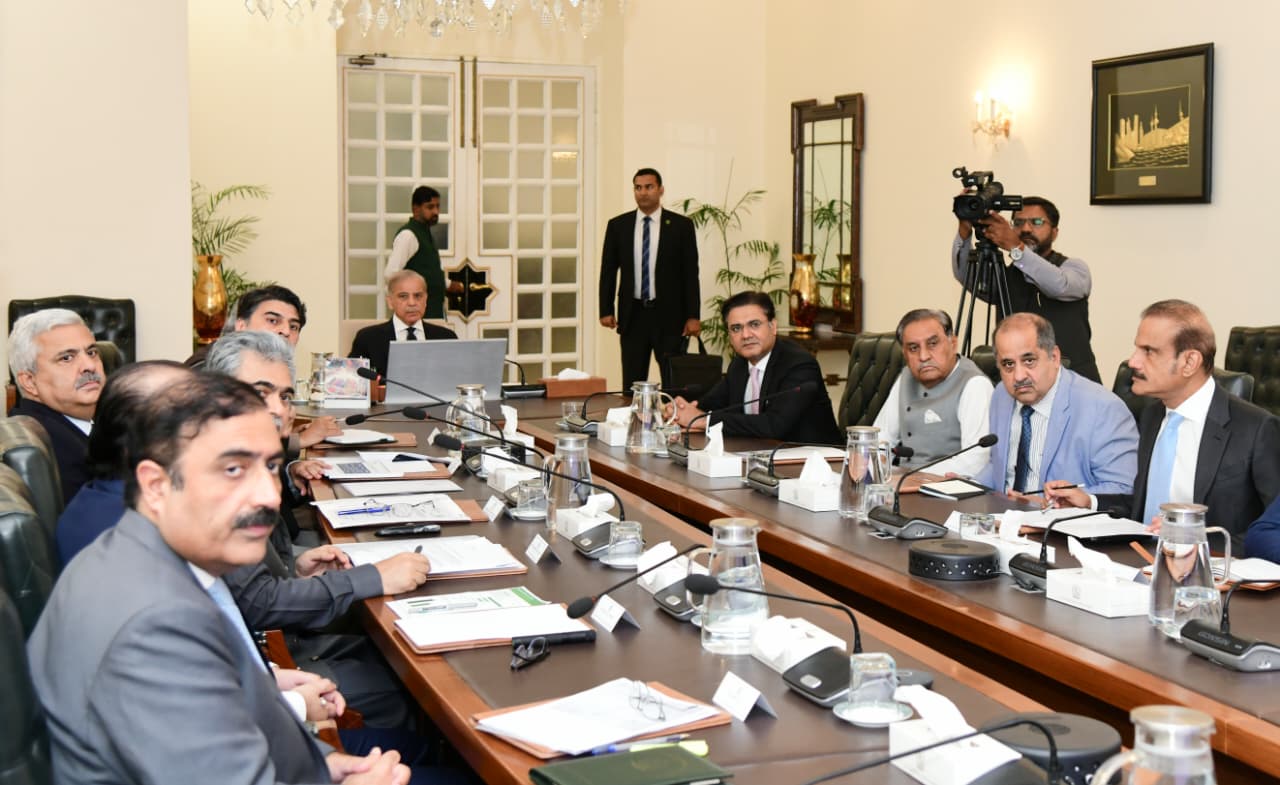
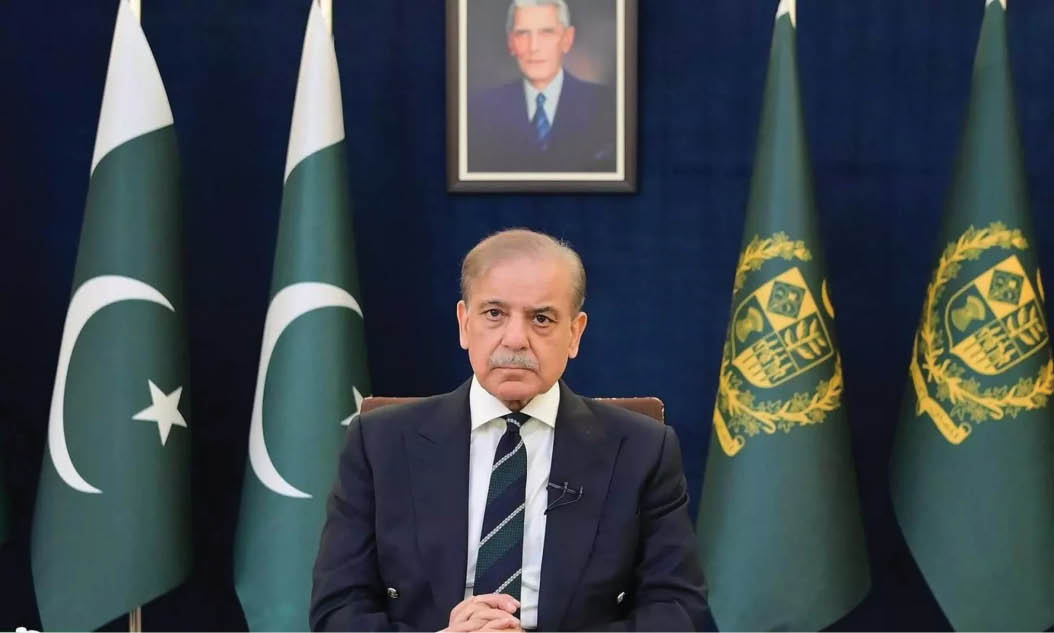
Official reaction was swift but unsurprising. President Zardari denounced the attack as a “crime against humanity,” and PM Shehbaz Sharif vowed an immediate investigation. Defence Minister Khawaja Asif, meanwhile, took to social media to suggest India’s and Afghanistan’s involvement, stating that “the terrorist involved in the attack travelled to and from Afghanistan.”
Yet any assurance would ring hollow to those who have learned to expect impunity. It is deeply troubling that a killer reached a guarded mosque entrance, and therefore, those at the helm must ask themselves: have they not learned from the past?
The blast tore through Islamabad not on a random Friday, but one freighted with signals. It came a day after the Prime Minister and the military brass renewed their vows on Kashmir, and in the midst of foreign delegations arriving from Central Asia to discuss trade and transit.
With Basant beginning in Lahore (which has now been postponed in solidarity with the victims), and the economy–for once–trying to make headlines for something other than collapse, it doesn’t take much to realise how the militants seem perpetually ready to send the state a haunting message. They choose their moments well.
Thus, the powerful may repeat condolences, but they would have to match words with reform. Parliament must implement the National Action Plan’s forgotten promise to target sectarian killers as ruthlessly as extremists elsewhere. Broadcasters and pulpits must be held to account when they legitimise hate.
For now, the grieving families are left with mourning and mistrust. Many asked, as they stood over the bloodied prayer mats: how can a Muslim kill another at prayer? No Muslim can kill fellow Muslims in the name of Islam. The state must move beyond ritual lament and show– through arrests, fair trials and long-term security– that it truly stands with them.