US Vice President JD Vance and other envoys travelling to Switzerland after talks with Iran were postponed
Qlailah
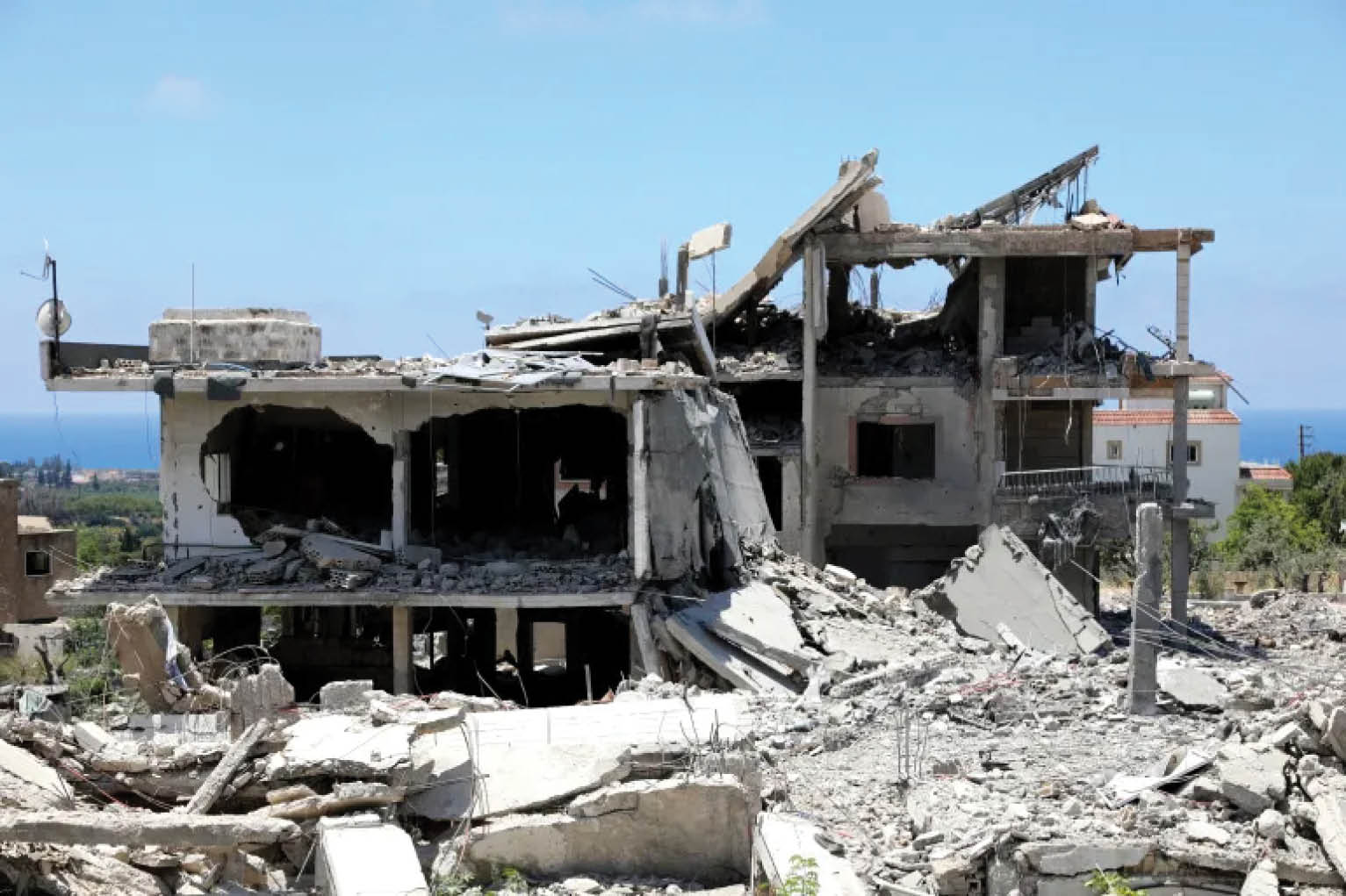
Israeli strikes have killed at least 32 people in Lebanon, threatening to derail talks between the United States and Iran aimed at cementing a fragile peace deal.
US Vice President JD Vance said on Saturday that he expects to travel to Switzerland for talks with Iran soon. “I expect that I will leave sometime in the next couple of days, but you know it’s always a delicate coordination dance and the diplomatic protocols,” Vance told Fox News in an interview.
This followed reports by US media outlets Axios and CNN on Friday, saying that US envoys Steve Witkoff and Jared Kushner, Trump’s son-in-law, were also on their way to Switzerland after the negotiations were postponed earlier in the week.
Israel’s continued attacks in Lebanon have led to uncertainty about whether the Iranians would attend. But Iran’s state television reported on Saturday, citing a foreign ministry spokesperson, that the country’s negotiating team would travel to Switzerland.
High-level talks could take place as early as Sunday, Vance told Fox News. He also said he was confident Washington could sustain the current ceasefire despite any potential differences in strategic implementation.
However, also on Saturday, Iran said it has closed the vital Strait of Hormuz shipping lane over Israel’s attacks in Lebanon, calling them a violation of its deal with the US to end the Middle East war.
“The Strait of Hormuz will be closed to vessel traffic; It is noted that this first step is a response to the enemy’s breach of promise, and if the aggression continues, further steps will be planned and taken to force the enemy to comply with its obligations,” the Khatam-al Anbiya Central Headquarters said in a statement carried by Iranian state TV.
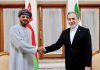
Earlier, Axios reported that Iran’s Foreign Minister Abbas Araghchi was expected to travel to Switzerland on Saturday, but other sources said his trip may be delayed. A source from one of the mediating countries said Araghchi told several counterparts that Iran views a ceasefire in Lebanon as essential to the diplomatic process and that it could “make or break” the US-Iran talks. Separately, Araghchi is meeting Pakistan’s visiting Interior Minister Mohsin Naqvi in Tehran on Saturday.
Meanwhile, the Swiss foreign ministry said on Saturday that it continues to provide a “discreet and reliable setting” at Buergenstoc to facilitate discussions on implementing the MoU. It added in a statement that no further details would be disclosed about participants and the content of the talks, citing confidentiality.
“We’ve got one big conflict, two wars … the US is focusing on one war, but the ceasefire in the other war is the key to bringing the parties together,” said James Bays, Al Jazeera’s diplomatic editor, reporting from Buergenstoc.
“In the agreement signed by the US and Iran … it says there has to be a ceasefire [in Lebanon], and there is clearly not a ceasefire in place.”