KPCIP initiative
DLP Report
PESHAWAR
As part of its sustainable urban development efforts, the Local Government, Elections, and Rural Development Department (LGE&RDD) under its Khyber Pakhtunkhwa Cities Improvement initiative is planting over 20,000 trees in five divisional cities of the province. Additionally, the department is working to save thousands of pine trees on Shimla Hill in Abbottabad by constructing a gender-inclusive park. The department has completed the plantation of 6056 plants.
The plantation is being carried out in five divisional cities, including Peshawar, Mardan, Kohat, Abbottabad, and Mingora. Under KPCIP, the department will plant 20,000 plants of different native species across its green spaces component.
As part of this green drive, the department is not only focusing on plantation but also on the preservation of existing biodiversity. A key example is the Sherwan Hill Family Park, currently under construction on the scenic Shimla Pahari in Abbottabad will help thousands of pine trees to maintain the ecological integrity of the site. These pine species are naturally suited to the local climate and play a critical role in stabilizing soil, retaining moisture, and improving air quality.
The progress so far underscores the department’s commitment to environmental stewardship. So far, in Kohat, a total of 3,418 plants have already been planted, 751 trees in Peshawar, 550 in Abbottabad, while 1337 new plants have been added to its urban landscape in Mingora city. In total, 6056 plants have been planted in various gender-inclusive parks, spaces designed to be safe, accessible, and welcoming for women and children.
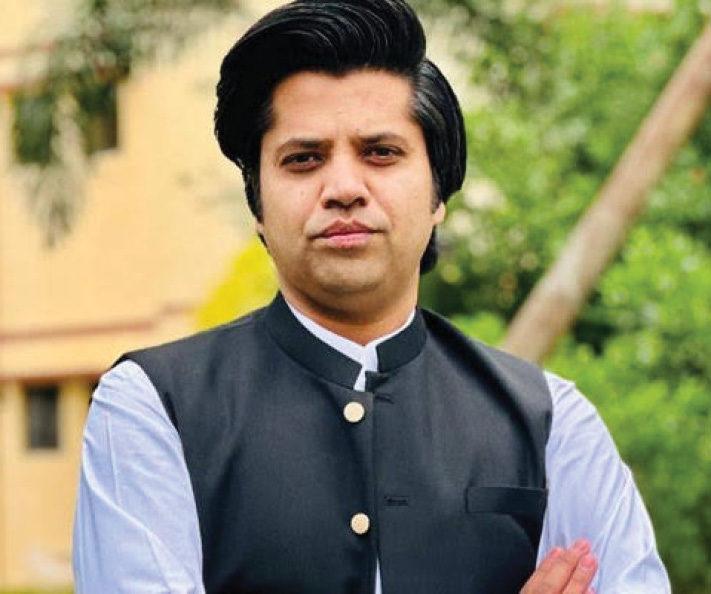
“These plantations are more than symbolic gestures as they are tangible steps to restore urban ecosystems, mitigate the impacts of climate change, and improve the overall quality of life for residents,” said Project Director KPCIP Yasir Ali Khan. He said that native species were being prioritized to ensure long-term survival and minimal ecological disruption.
“This integrated approach is a step towards improving climate resilience,” he said, adding that by combining infrastructure development with environmental sustainability, KPCIP was setting a precedent for green, inclusive, and climate-aware urban transformation in Khyber Pakhtunkhwa.
The project director said that with the urban population growing and green spaces shrinking, such initiatives were critical. “Trees planted today will become the living lungs of tomorrow’s cities to absorb the rising carbon, cool urban heating, and offer a refuge not only to humans but birds and insects,” he said.