Finance Minister Miftah Ismail has said that macroeconomic stability is forthcoming in view of the International Monetary Fund (IMF) programme resuming by the end of the month as all conditions in this regard have been met.
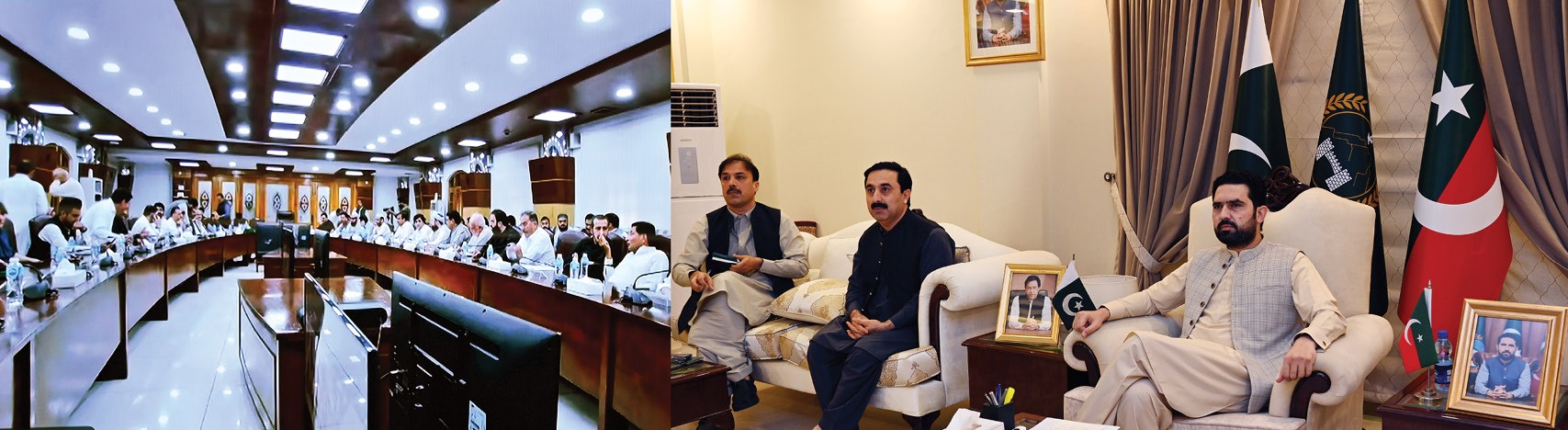
He made the remarks during a meeting with Pakistan Stock Exchange officials, authorities and businessmen, according to a press release issued by the PSX on Tuesday.
PSX Chairperson Dr Shamshad Akhtar, Securities and Exchange Commission of Pakistan Chairperson Aamir Khan, PSX CEO and Managing Director Farrukh H. Khan, Federal Board of Revenue (FBR) Chairperson Asim Ahmad, State Bank of Pakistan (SBP) Deputy Governor Dr Inayat Hussain, Special Secretary Finance Awais Manzoor, and key stakeholders including Arif Habib Group Chairman Arif Habib, Pakistan Stock Brokers Association & AKD Group Chairman Aqeel Karim Dhedhi, Bank Alfalah Limited CEO Atif Bajwa, NBP Funds CEO Dr Amjad Waheed, Arif Habib Corporation Director Nasim Beg, and Pakistan Business Council CEO Ehsan Malik participated in the meeting.
According to the press release, the meeting discussed Pakistan’s macroeconomy, capital markets, taxation and non-tax measures.
Ismail assured that the country’s balance-of-payments position was “well under control” and it may even have a surplus in the coming months because of increased hydel power, lower energy demands and lower oil prices.
“Fiscal discipline will be strictly followed and all additional expenditures will be fully funded by tax measures. [The] 10 per cent super tax is only imposed for one year while alternative revenue streams are developed,” he said.
He also iterated that advances-to-deposits ratio-linked tax on banks will not be imposed retrospectively and tax revenues from the retail sector are expected to be significantly higher compared to last year.
The minister also formed three committees — of which the first one would share the private sector’s stance on interest rates with the SBP’s Monetary Policy Committee, the second would coordinate with the Pakistan Business Council and the PSX on all tax issues and the third would review the listing of development finance institutions (DFIs), debt and Sukuk issuance, reform of the National Savings Scheme, and explore the development of a market for exchange rate forward dealing which all market participants can access.