With the ruling coalition repeatedly accusing the opposition of undermining democratic principles by resorting to street protests rather than engaging in parliamentary debate—a cornerstone of democracy—one would expect the Pakistan Muslim League-Nawaz (PML-N) to uphold those ideals now that the protests have subsided and parliamentary proceedings have resumed. Ideally, the government would demonstrate its commitment to democracy by ensuring full attendance in parliament, presenting a vision for an inclusive and consultative future, and offering a stark contrast to the chaos attributed to the opposition. However, the reality has been far from this expectation.
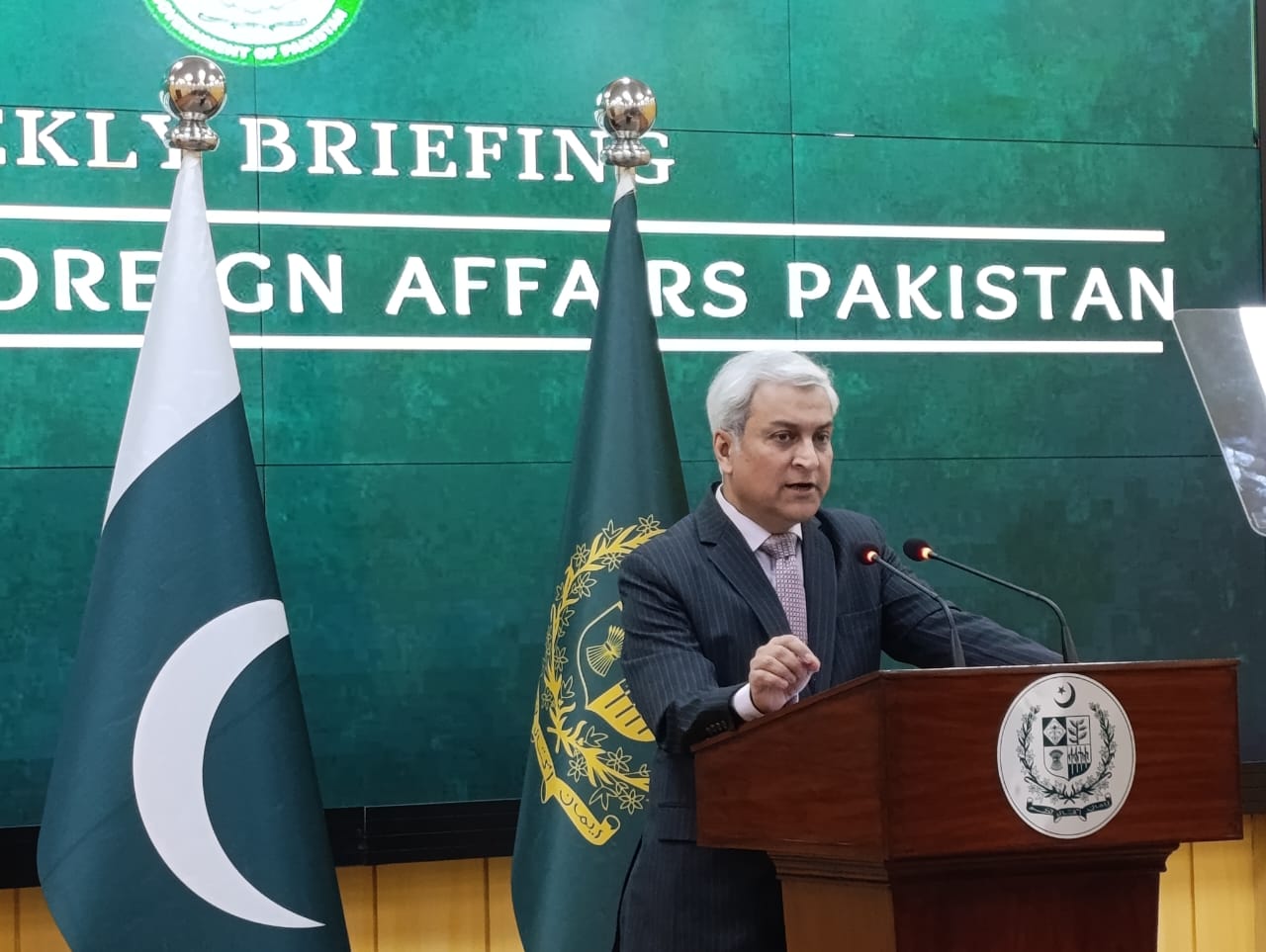
In recent parliamentary sessions, government ministers have shirked their constitutional and democratic duty to attend proceedings. Instead of answering questions on the floor of the house, they have delegated this responsibility to press secretaries and lower-level staff. This blatant disregard for parliamentary accountability reveals a dismissive attitude toward governance and public scrutiny. It suggests that ministers either lack confidence in their performance or wish to avoid facing uncomfortable questions about their ministries’ effectiveness. Such behaviour undermines the very essence of democracy. Ministers are obligated to be accountable to parliamentarians, who, in turn, represent the citizens of Pakistan. Failure to fulfil this duty creates the impression of a government more interested in the privileges of power than in its responsibilities. It risks painting the ruling coalition as a colonial-style administration—eager to enjoy authority while evading oversight.
The criticism from opposition parties, including the Pakistan People’s Party (PPP) and Pakistan Tehreek-e-Insaf (PTI), is well-founded. Ministers’ absence from parliamentary proceedings not only weakens the institution but also erodes public trust in democratic processes. It is imperative that opposition efforts to compel ministerial attendance receive bipartisan support. At a time when democracy faces numerous challenges, ensuring the accountability and proper functioning of parliamentary institutions is more critical than ever.