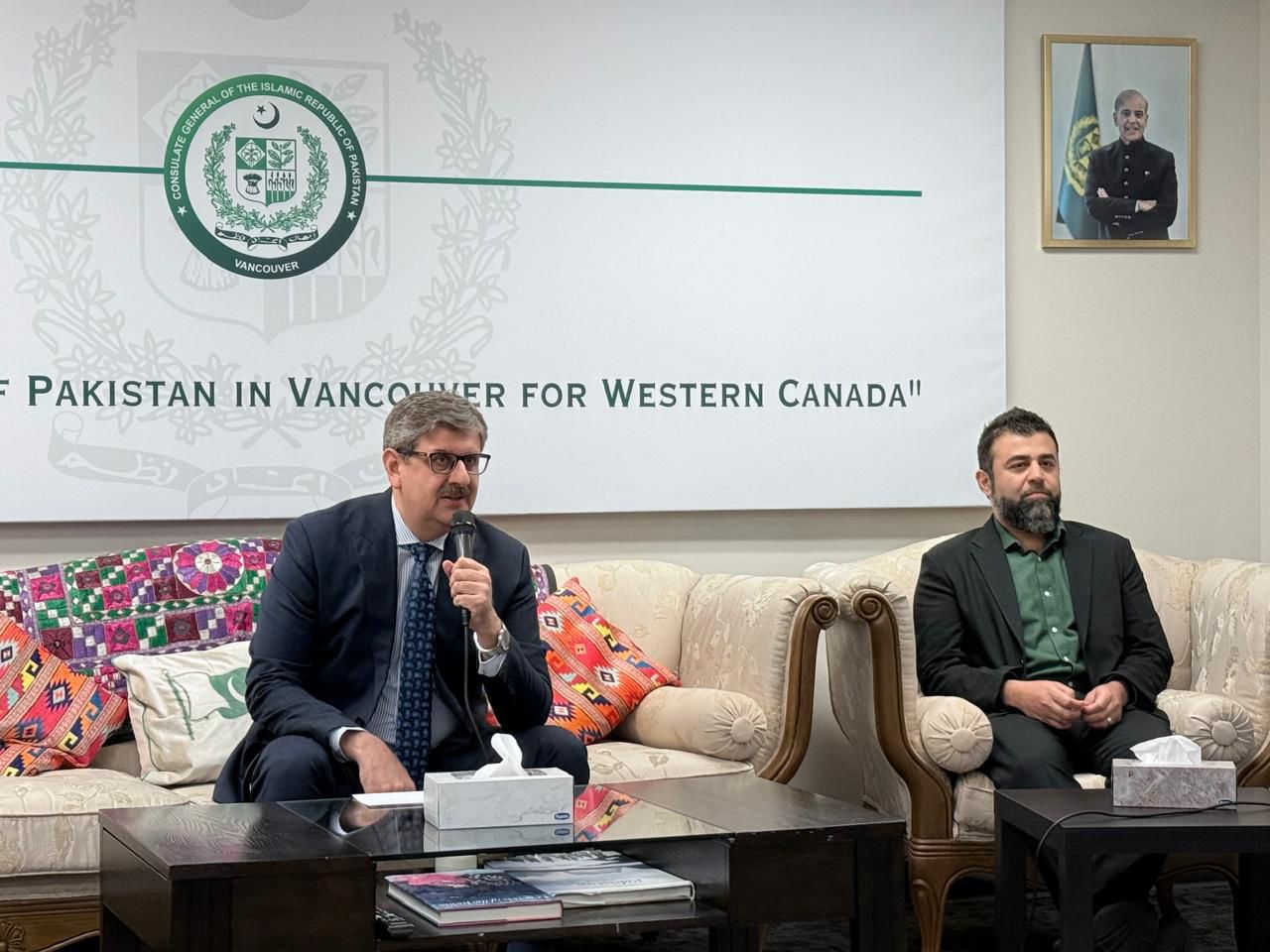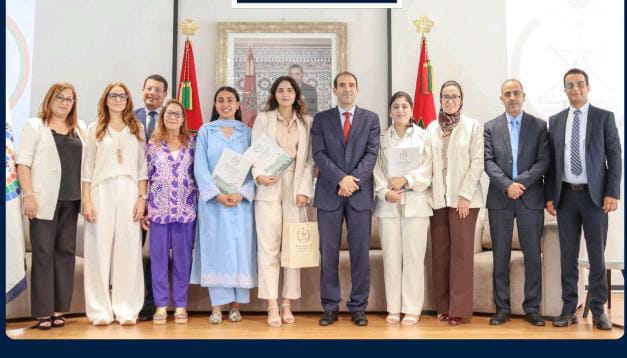
The Federal Tax Ombudsman and Institution du Médiateur du Royaume have successfully completed the maiden Internship Exchange Program under the aegis of OIC Ombudsman Association. Tayyaba Munir and Momina Zaigham were hosted by the Moroccan Institution.
This pivotal step was an expression of the institute’s continuous support to each other in strengthening the bilateral cooperation between them. The MoU marked the launch of OICOA “International Internship Exchange Program” with its first batch of interns from Pakistan to Morocco. Among these interns, I was bestowed the honor of being part of the instrumental project that proved to be an enlightening journey which significantly enriched my academic and
professional growth. My first day at the Institute began with an orientation session, where we were introduced to the
institute’s vision, mission, and values. The session was instrumental in facilitating my orientation and integration into the institute. This initial phase was crucial in helping interns acclimate to
the operational, organizational and strategic objectives to be achieved through the OICOA pilot project. It further entailed deliverables or outputs to be achieved through the internship. In the three-weeks period, supervisor, worked meticulously alongside us each step of the way in ensuring that the language barrier would not affect our professional development and ensuring a productive and enriching internship experience. The experience included focus on the approaches, concepts and methodologies of certain cases of Moroccan institutional mediation, the presentation of good practices in institutional mediation as a benchmark and effectiveness of the Institution in its process management. The organizational objectives to be achieved included the transfer of knowledge among institutes, building understanding of the technical aspects of the Institution in order to compare it with the FTO and to discover what practices increase the performance and efficiency at the IMR.
It also played a pivotal role in strengthening the bond between the institutes due to the exchange
of information and knowledge on both the sides and the cross-cultural experience that it will provide in the forthcoming years. During the three weeks, interns were introduced to officers of different units and how the institution processed complaints. Each officer introduced them to how
their unit functioned and how they adequately worked in close-proximity with all the other units to enhance the efficiency of the complaint disposal. Most of the officers when asked questions
tried their best to satisfy and explain the processes and procedures involved in an appropriate manner and always welcomed us to ask more questions in case of further queries. The open-door
policy encouraged us to seek guidance and feedback from the officers. Regular meetings, brainstorming sessions, and informal gatherings created a sense of community and belonging at
the institute. The institute also emphasized on creating a vibrant cultural experience for us by inculcating
visits to historical, archeological and culturally significant places in our schedule to ensure that delved into the intricacies of the values and principles, the people and the country holds. In addition to critical-analysis skills, the internship also offered soft skills, such as communication, teamwork, and time management. By the second week we were attached to a national internee.