NEW YORK
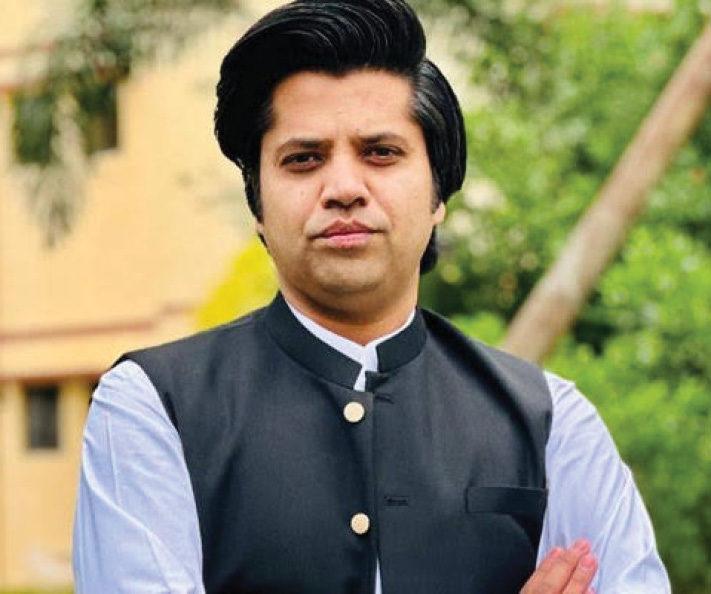
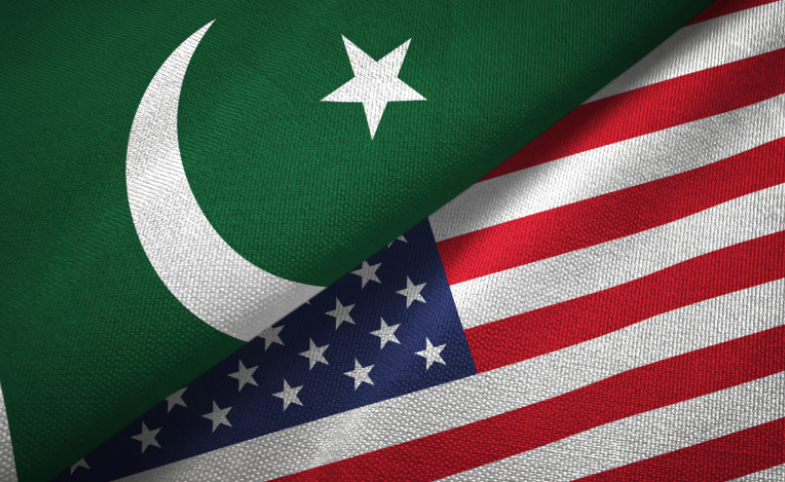
Deputy Prime Minister and Foreign Minister Senator Mohammad Ishaq Dar met with prominent members of the Pakistani-American community in New York, where he highlighted Pakistan’s economic recovery, diplomatic resurgence, and regional priorities—including a significant offer for US mediation on the Kashmir issue. Reiterating Pakistan’s commitment to UN-backed resolutions on Kashmir and Palestine, Dar emphasized the need for peaceful conflict resolution.
In a significant statement, he expressed Pakistan’s openness to US mediation on the Kashmir dispute. “Pakistan welcomes any constructive role the United States can play in facilitating dialogue between Pakistan and India to resolve the Kashmir issue in line with UN resolutions,” he declared. This marks a notable shift in Pakistan’s diplomatic outreach, seeking greater international involvement in the longstanding dispute.
Dar began by acknowledging the vital contributions of Pakistani-Americans in strengthening US-Pakistan relations and promoting Pakistan’s image abroad. He praised their unwavering support during recent tensions with India and their advocacy for the rights of Kashmiris. “The diaspora has been a bridge between Pakistan and the US, and your role in amplifying the Kashmiri voice on the global stage is commendable,” he said.
The Deputy PM shared positive updates on Pakistan’s economy, noting the successful completion of the IMF program, declining inflation, and restored investor confidence. He mentioned that international credit rating agencies have recognized Pakistan’s improved macroeconomic outlook. “Our goal is to position Pakistan among the top 20 global economies,” Dar stated, emphasizing the government’s focus on sustainable growth through initiatives like the Special Investment Facilitation Council (SIFC), which aims to streamline foreign investment in key sectors such as agriculture, IT, and energy.
Dar asserted that Pakistan has moved past its previous diplomatic isolation and is now actively engaging in global diplomacy. He highlighted Pakistan’s current presidency of the UN Security Council (UNSC) and its two-year non-permanent membership, secured with overwhelming support from 182 nations. “This reflects the world’s trust in Pakistan’s principled stance on international issues,” he said.
On Afghanistan, Dar stressed Pakistan’s efforts to enhance regional connectivity through trade and rail links to Central Asia. However, he reiterated concerns over terrorism emanating from Afghan soil, while acknowledging recent assurances from Afghan authorities. “We expect our Afghan brothers to honor their commitment to prevent their territory from being used against Pakistan,” he said.
Dar recalled Pakistan’s decisive response to India’s 2019 airstrikes, referencing Operation Bunyan al-Marsoos, which led to the downing of six Indian aircraft. “Pakistan will always defend its sovereignty with full resolve,” he asserted, praising the nation’s unity during the crisis. Addressing a key concern of overseas Pakistanis, Dar assured that the government is working to restore PIA flights to the US, UK, and Europe in compliance with international aviation standards.
He encouraged the diaspora to invest in Pakistan’s development, particularly in education, IT, and infrastructure. Dar reaffirmed Pakistan’s commitment to engaging the diaspora as strategic partners in national development and strengthening US-Pakistan ties. His remarks underscored Pakistan’s proactive diplomacy, economic revival, and willingness to seek international mediation on Kashmir—a move that could reshape regional dynamics.
As Pakistan continues its diplomatic and economic resurgence, the role of the diaspora and international partners like the US remains crucial in shaping a stable and prosperous future.