ISLAMABAD
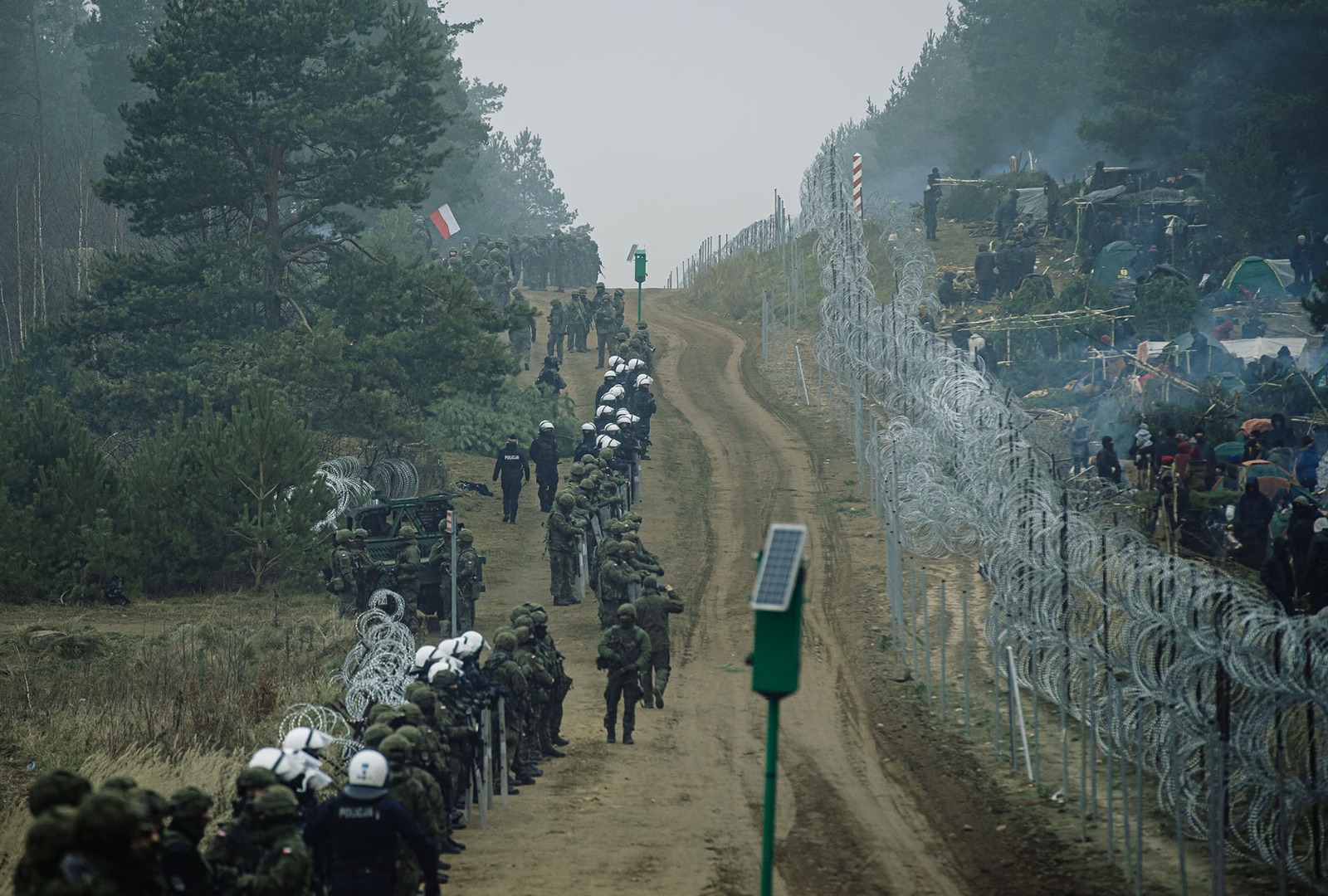
Pakistani citizens have consistently remained among the top seven nationalities identified for illegal crossings along the Poland–Belarus border, highlighting a continuing and dangerous trend of irregular migration towards Europe, according to recent official data and border security reports.
Pakistani nationals attempting to enter the European Union illegally rank prominently alongside migrants from Afghanistan, Egypt, Ethiopia and Somalia.
Sources in Pakistan’s premiere spy agency, the Federal Investigation Agency (FIA) said that as of January 12, 2025, at least 58 Pakistani citizens were held while they were attempting to cross the Poland–Belarus frontier illegally and currently detained in Border Guard–guarded centres.
Officials further said the numbers fluctuate, but Pakistan has repeatedly appeared near the top of the list, reflecting sustained migration pressure driven by unemployment, economic instability and limited legal pathways to Europe.
Investigators link the surge partly to last year’s Pakistan–Belarus agreement, under which Belarus was expected to issue visas to up to 150,000 Pakistani skilled workers. Although no concrete implementation followed, human traffickers and unscrupulous travel agents exploited the announcement, luring desperate families with promises of jobs and residency in Europe in exchange for hefty sums. The FIA officials said many victims later found themselves stranded in Belarus or pushed towards perilous border crossings.
The human cost of such attempts has been severe. Over the past decade, dozens of Pakistani migrants have died or gone missing while trying to reach Europe through irregular routes. In 2019, several Pakistanis were among migrants who froze to death in forests along Eastern European borders. In June 2023, Pakistan mourned young men who drowned off the coast of Greece when an overcrowded boat carrying migrants capsized, an incident that sparked nationwide outrage. Earlier cases also include Pakistanis suffocating in sealed containers and trucks in Turkey and Eastern Europe, underscoring the deadly risks involved.
A particularly serious incident occurred on December 11, 2025, when a large group of migrants was intercepted attempting to cross into Poland through a tunnel dug beneath a technical barrier. The Border Guard reports identified 186 migrants, including 37 Pakistani citizens, making Pakistan the second most represented nationality after Afghanistan.
The tunnel—approximately 50 metres long on the Belarusian side and 10 metres on the Polish side—demonstrated sophisticated planning. Polish authorities believe such an operation could not have taken place without the knowledge or involvement of Belarusian security services.
Officials stressed that the December incident was not isolated. Since September, 2025 several tunnels and traces of underground construction have been detected, pointing to an organized and systematic method of facilitating illegal migration rather than isolated attempts.
Meanwhile, the Belarus embassy in Pakistan has stopped entertaining visa applications, and according to the sources, prospects of reviving the promised skilled-worker programme appear remote. Several Pakistani nationals from Khyber Pakhtunkhwa, Punjab and Islamabad have already been deported from Germany, Georgia and other countries after detention and prolonged investigations.
Despite Poland reopening key border crossings in November 2025 to facilitate legal travel and trade, authorities insist illegal crossings remain unacceptable. The repeated involvement of Pakistani nationals has renewed calls for stronger public awareness campaigns in Pakistan, tougher action against human traffickers, and international cooperation to address the root causes of irregular migration before more lives are lost.