GHAZA
On May 15, 1948, Israel was established as a Jewish-majority state at the expense of the forced expulsion of about 750,000 Palestinians. The day has subsequently been commemorated annually as Nakba-Day.
The word “Nakba” means “catastrophe” in Arabic, and refers to the systematic ethnic cleansing of two-thirds of the Palestinian population at the time by Zionist paramilitaries between 1947-1949 and the near-total destruction of Palestinian society.
Zionist forces had taken more than 78 percent of historic Palestine, ethnically cleansed and destroyed about 530 villages and cities, and killed about 15,000 Palestinians in a series of mass atrocities, including more than 70 massacres.
This year marks 74 years of Al-Nakba, or the Palestinian experience of dispossession and loss of a homeland. The anniversary comes at a time where many are angered by the killing of prominent Al Jazeera veteran journalist Shireen Abu Akleh.
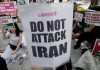
Hundreds of Palestinians in the Gaza Strip marked Nakba Day by paying tribute to Shireen Abu Akleh. In a march that extended from Gaza City’s al-Katibah Square to the UN headquarters, Palestinian demonstrators held up posters of Abu Akleh.
“Shireen, for whom the church bells rang and the hands of Muslims raised in prayer, is the one who united the Palestinian spectrum in all its colours,” said Heba Akila, Al Jazeera’s correspondent.
The march began with a eulogy for Abu Akleh, and focused on her humanity and professionalism when it came to depicting Palestinian life under Israeli occupation.