Islamabad
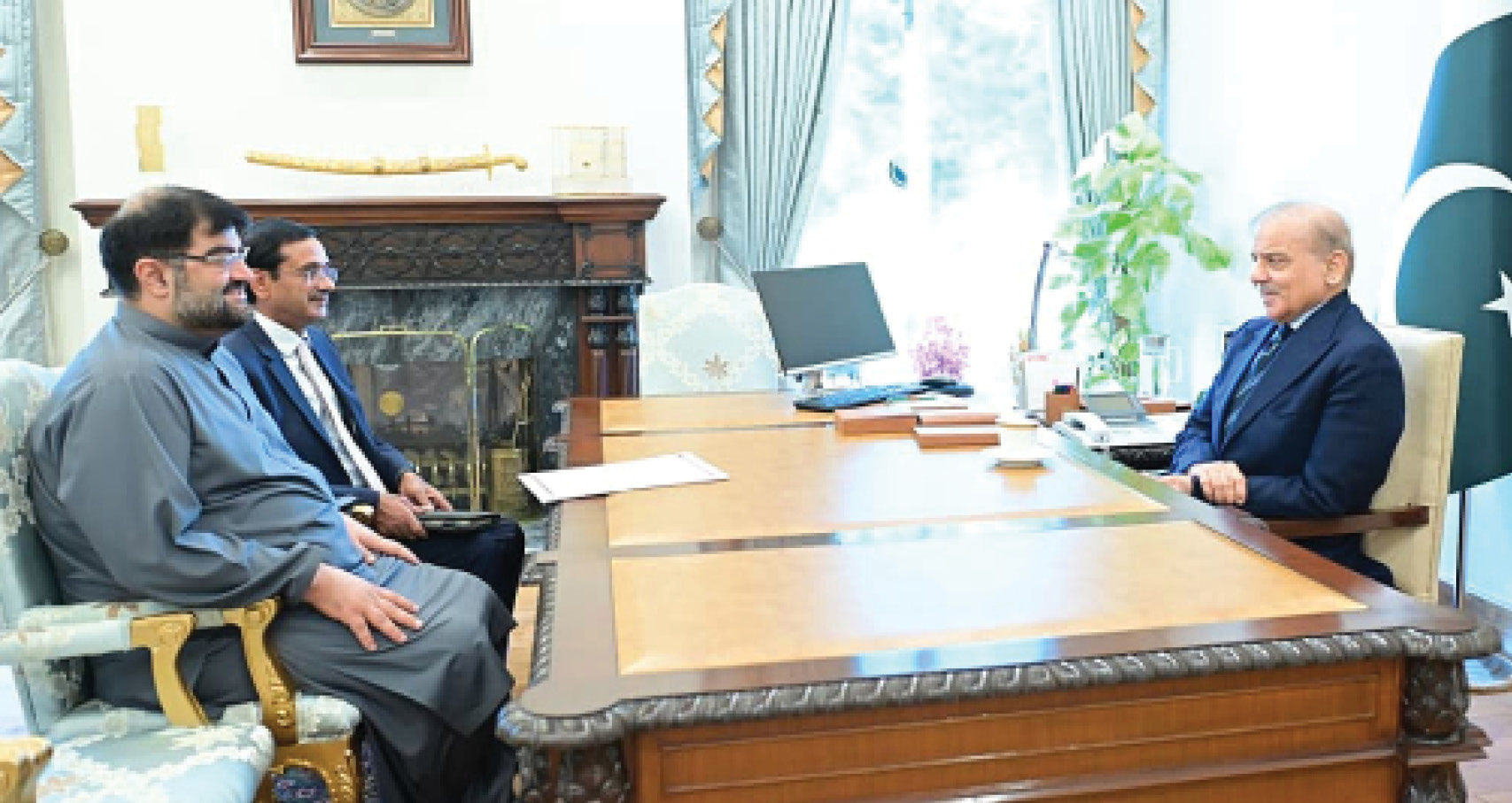
The leadership team of the Pakistan Institute of Living and Learning (PILL) engaged in a high-profile meeting with the President of Pakistan on Friday, January 5th 2024 to discuss and initiate comprehensive mental health awareness campaigns across the country.
The visiting delegation included CEO PILL, Prof Nasim Chaudhry, Professor and Chairman, Department of Psychiatry at Ziauddin Hospital, Prof Imran Bashir Chaudhry, Professorial Scientist and Head of Child and Adolescent Mental Health Division PILL, Prof Zainab Zadeh.
The primary focus of the discussion was on launching an extensive awareness campaign targeting the reduction of stigma associated with mental health issues, aiming to educate the general public about common mental health challenges, and promoting a more inclusive society.
Leveraging various media channels through strategic media campaigns have the potential to amplify the reach of mental health awareness across settings.
The delegation highlighted the importance of reaching diverse audiences and disseminating crucial information about mental health issues. Recognising the need for accessibility, we plan to simplify information about mental health and psychological hygiene, making it easily understandable even for those with limited education, ensuring broad dissemination of knowledge.
The discussion included the need for specialised training and education programs for Ulemmas, religious leaders who play a pivotal role in community guidance.
The aim is to equip them with the knowledge and skills to address mental health issues within their communities.
A crucial aspect of the meeting also involved educating and training teachers to identify signs of mental health challenges in children and adolescents, empowering teachers to assess at-risk behaviour and provide timely referrals for professional mental health support.
The President was informed about our plans to develop a home toolkit and a manual for religious therapy tips, designed for Ulemmas, providing them with effective tools to offer mental health guidance within their communities.
Taking mental health education to the grassroots level, the team also talked about involving community outreach programs, particularly focusing on women and families.
The discussion was a collaborative step reflective of a shared goal to eliminate barriers and improve access to quality mental health care for all across Pakistan.