DLP Report
PESHAWAR
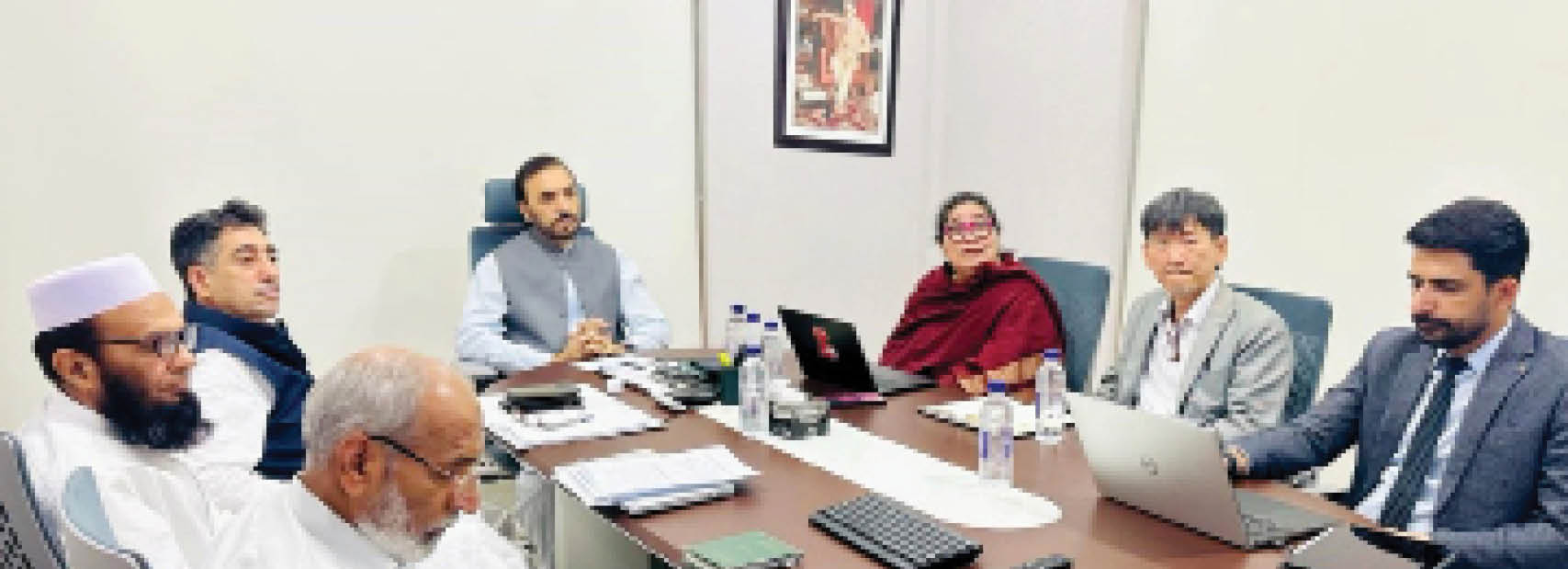
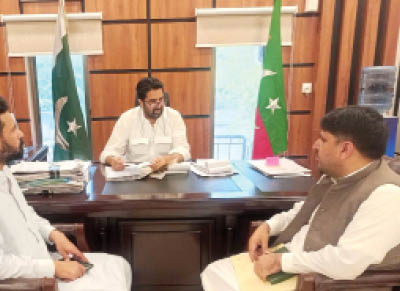
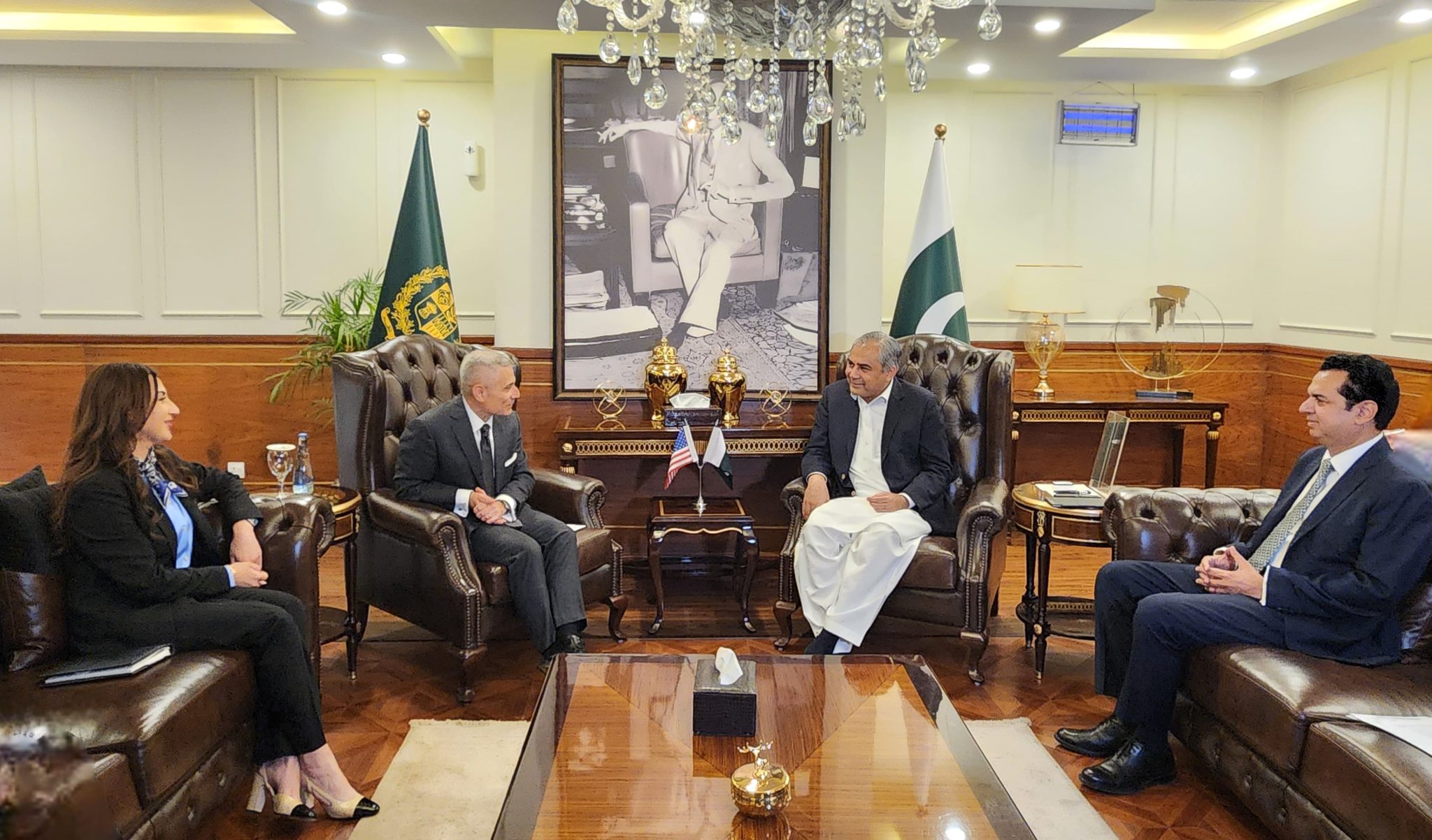
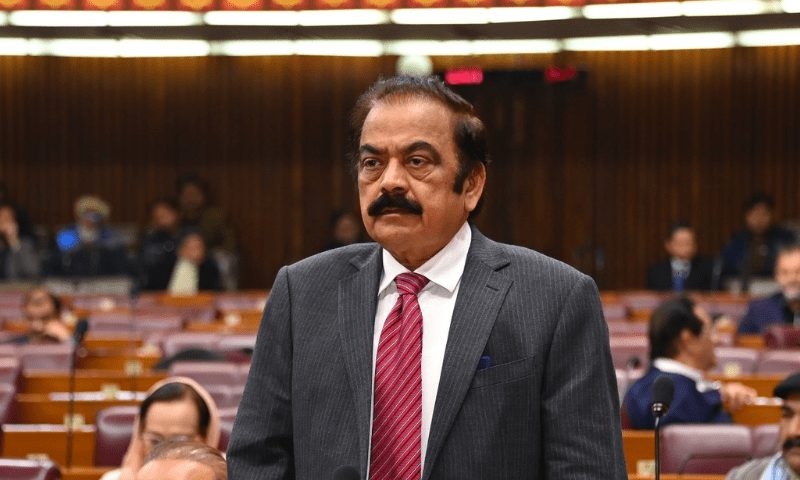
A Provincial Task Force Meeting on polio eradication was held under the chairmanship of Minister Health, Khaleeq ur Rehman, and Chief Secretary Khyber Pakhtunkhwa, Shahab Ali Shah.
The meeting was attended by members of the Task Force, health department and officials of National and Provincial Emergency Operations Center, Law Enforcement officials and representatives of international partner organizations.
Commissioners, RPOs, DPOs, Deputy Deputy Commissioners and District Health Officers attended via video link.
The meeting reviewed preparations for the upcoming National Immunization Days campaign, scheduled from February 2 to 5, 2026, in all districts of the province. The campaign aims to vaccinate 6.5 million children, with 35,500 polio teams deployed across the province.
In the meeting it was informed that campaign readiness for February, 2026 has been taken care of, including team trainings, microplanning, and operational readiness. This includes special measures for 38 full and 25 partial UCs in seven snow-bound districts where full coverage to be ensured as soon as the weather improves.
The Provincial Coordinator, PEOC, reported that campaign quality has improved in recent times, with increased access to previously underserved areas. The number of missed children has decreased.
Minister Health reiterated the provincial government’s commitment to a polio-free KP, stating that coordinated field operations and community partnership will remain the cornerstone of the province’s strategy. The Chief Secretary emphasized the need for targeted interventions, focused micro-planning, and frontline worker facilitation to address remaining gaps.
It was noted that vaccinations have been conducted in 71pc of communities by 27 January 2026, already ahead of the previous month’s total coverage, demonstrating expanded routine immunization outreach in previously underserved localities.
Moreover, improvements in routine immunization indicators, including BCG, Penta, MR, and OPV coverage, show that polio campaigns are strengthening the overall health system.
The meeting noted that the use of digital monitoring systems, independent post-campaign assessments, and rigorous data verification mechanisms has significantly improved the coverage.