Islamabad
The Pakistan Industrial and Traders Associations Front (PIAF) has voiced strong concern over the deteriorating state of the country’s power sector, warning that despite repeated claims of improvement, the underlying problems of inefficiency, financial instability, and poor governance continue to deepen. The association stated that the sector’s structural weaknesses are now placing a heavy burden on the national economy and undermining prospects for sustainable growth.
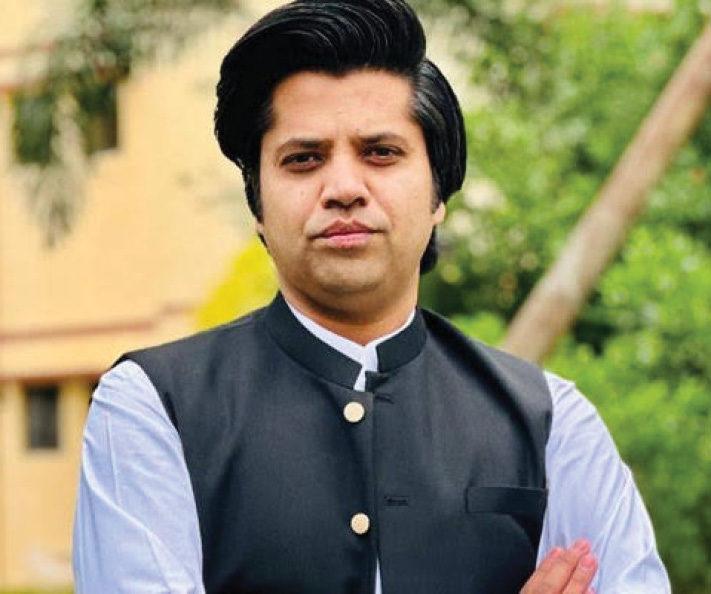
PIAF Chairman Faheemur Rehman Saigol, accompanied by senior vice chairman Nasrullah Mughal and vice chairman Tahir Manzoor Chaudhary, said the latest operational and financial data from power distribution companies offers little comfort.
He noted that in the first quarter of fiscal year 2025–26 alone, government-owned DISCOs suffered losses of roughly Rs 171 billion, half of which arose from systemic inefficiencies and electricity theft, while the remaining portion was caused by poor bill recovery.
He regarded the losses as a stark reminder of the entrenched dysfunction within the system, which no temporary adjustments or one-time financial injections can resolve.
Faheem Saigol observed that although the government reported a decline in overall annual DISCO losses earlier this year, the reduction was largely the result of accounting adjustments and fiscal support rather than any fundamental improvement in performance.He added that while the circular debt did drop from last year’s peak, it remained at an unsustainable level of about Rs 1.66 trillion as of mid-2025, thus continuing to restrict investments in transmission upgrades and modernisation of the national grid.
According to PIAF, the persistent operational and managerial shortcomings within distribution companies have prevented the sector from transforming into an efficient and consumer-responsive system. Faheem Saigol said that problems such as outdated infrastructure, unchecked power theft, political interference, and a lack of professional management have left the system fragile and incapable of meeting modern energy demands.
He stressed that industrial zones, in particular, have suffered heavily as unreliable supply and high tariffs have added to production costs and weakened the competitiveness of Pakistani goods in the global market.
Senior vice chairman Nasrullah Mughal highlighted that the private sector had the capacity to introduce modern technology, streamline service delivery, and support long-term investments, but these improvements were difficult to achieve under the current public-sector model. He said that in most countries where power distribution was partly privatized or brought under public–private management, service reliability improved significantly and losses were reduced. Mughal emphasised that Pakistan could benefit from similar reforms, but only if they were designed with strong regulatory oversight and transparency to protect the public interest.
Vice chairman Tahir Manzoor Chaudhary pointed out that privatization and restructuring carried risks, particularly for remote and low-income regions where commercial viability was low and investment returns uncertain. However, he said that these risks should not be used as an excuse to maintain the status quo. Instead, he suggested that reforms be carried out gradually, with clear safeguards to ensure that affordability and equitable access remain central to the process. He added that an effective regulatory framework was essential to prevent monopolistic behaviour and ensure that private operators deliver reliable and reasonably priced electricity.
The PIAF leadership further warned that the power sector’s financial fragility was creating a cycle of dependency, where losses prevented investment, which in turn triggered further inefficiencies and higher operational costs.
Faheem Saigol remarked that gaining investor confidence required a stable policy environment.