Anjum Nisar warns economic stability under threat without policy consistency
Islamabad
The Federation of Pakistan Chambers of Commerce and Industry’s Businessmen Panel (BMP) has urged the government to immediately shift toward a high and sustainable growth strategy, warning that recent inflation spikes, rising energy costs, and declining industrial output threaten to derail any economic stabilisation achieved over the past year.
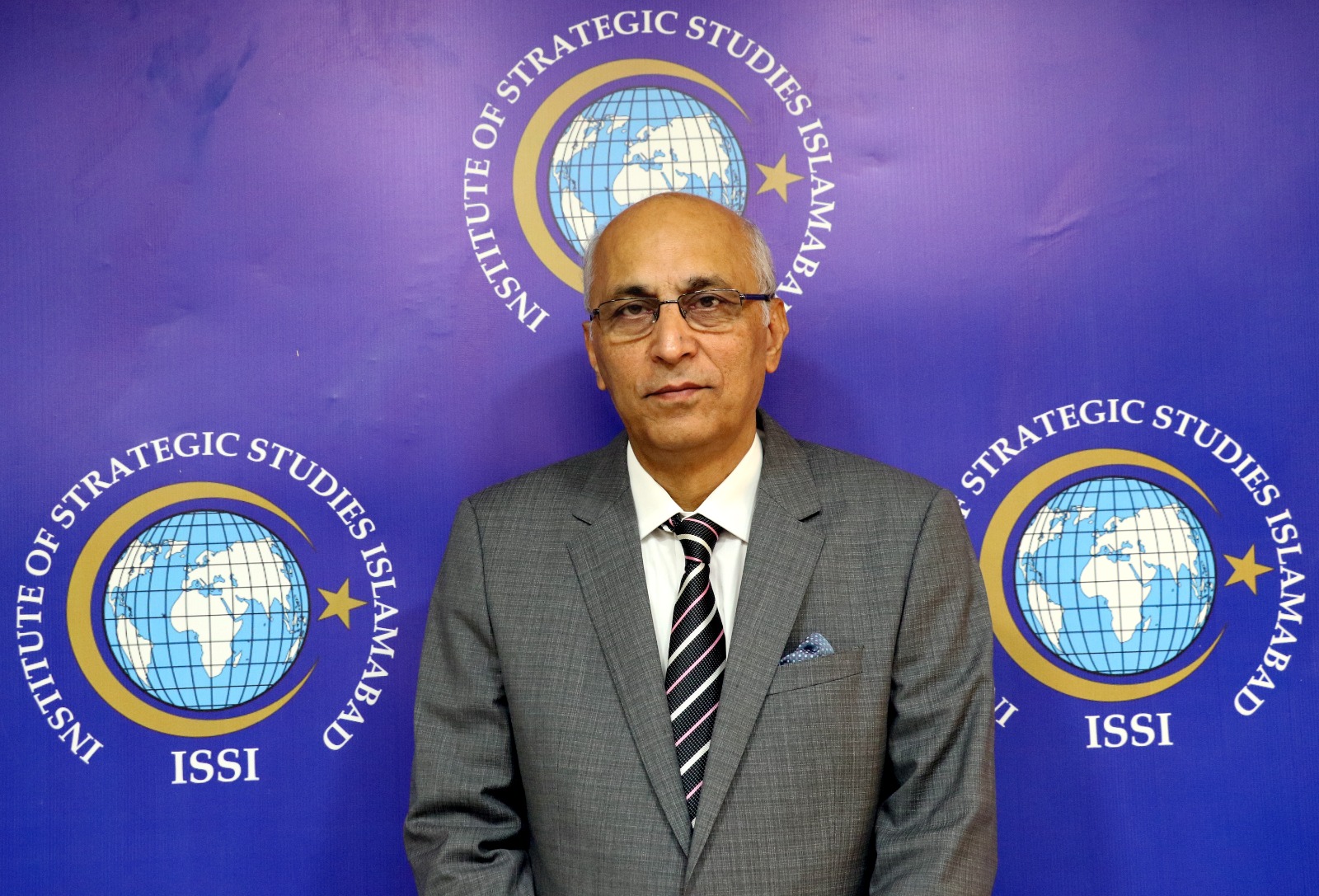
Speaking to the media, Businessmen Panel Chairman Mian Anjum Nisar said that although some macroeconomic indicators have shown temporary improvement, the real economy remains weak and vulnerable.
He stressed that without decisive reforms in energy pricing, industrial policy, and credit access, Pakistan risks falling into a prolonged cycle of low growth, high unemployment, and worsening poverty.
Mian Anjum Nisar noted that businesses across the country are increasingly concerned about the pressure created by rising costs.
He said that the latest jump in consumer prices, driven mainly by food shortages, increasing electricity and gas tariffs, and imported raw-material costs, is already eroding purchasing power and squeezing production margins. According to him, such inflationary pressures, if not checked, could limit the country’s ability to achieve even modest growth forecasts for FY26.
The BMP chairman emphasized that industrial activity, particularly in large-scale manufacturing, has slowed significantly over the past year. Several sectors that had shown signs of stability earlier now report reduced orders, high inventory levels, and curtailed operations.
He said that this decline is alarming and must be taken seriously, as manufacturing plays a central role in job creation, exports, and tax contributions. If the downward trend continues, he warned, Pakistan may experience a further fall in employment opportunities, pushing more people below the poverty line.
A major concern for the business community, according to Anjum Nisar, is the current high cost of borrowing. He said that the prevailing policy rate, still in double digits, acts as a barrier to industrial expansion and discourages investment.
Small and medium enterprises, which form the backbone of the national economy, are particularly affected as they face difficulty in obtaining affordable financing for working capital, technology upgrades, and export expansion.
The BMP has therefore called for a reduction in interest rates to a single-digit level so that industries can regain momentum and remain competitive in domestic and global markets.
Anjum Nisar also criticized the ongoing challenges linked to energy pricing. He said that continuous increases in electricity and gas tariffs have made production prohibitively expensive for many industries, especially those that rely heavily on energy for manufacturing and processing.
According to him, the government’s current approach to tariff adjustments appears ad-hoc and unsustainable, pushing industries toward closure rather than growth.
He reiterated the need for a stable, predictable, and regionally competitive energy-pricing framework, arguing that this is the only way to revive industrial confidence and promote long-term investment.
While acknowledging that the government is focusing on improving the external account and managing fiscal pressures, Anjum Nisar said that growth cannot come at the expense of domestic industrial health. He stressed that Pakistan cannot rely solely on external indicators—such as temporary improvements in reserves—to claim economic stability. True recovery, he said, comes when factories run at full capacity, exports rise through value addition, and the private sector is empowered to create sustainable employment.
The BMP chairman outlined several sectors with strong potential for driving long-term growth, including agriculture, information technology, value-added manufacturing, and specialized export industries.
However, he said these sectors have been historically neglected, lacking strategic oversight and consistent policy support. He urged the government to introduce long-term sectoral plans with clear targets, investment incentives, and performance-monitoring frameworks.
According to him, piecemeal or politically motivated measures will not bring the transformation the economy urgently needs.
Anjum Nisar also expressed concern about the challenges faced by “sick industries,” many of which are struggling to recover due to high energy costs, outdated machinery, and limited access to financing.
He said that the government’s current revival schemes must be expanded and complemented by structural reforms, including regulatory simplification, improved industrial infrastructure, and targeted fiscal incentives.
The upcoming federal budget, he said, should present an important opportunity for the government to demonstrate its commitment to sustained economic revival. He urged policymakers to avoid short-term revenue measures that burden industries and instead focus on broadening the tax base through documentation, expanding exports, reducing import dependency, and accelerating digitization within the tax system.
He warned that failure to address these issues would result in another year of stagnation, widening inequality, and economic fragility.
He also stressed that the business community stands ready to support the government’s reform agenda, provided that policies are consistent, transparent, and consultative. He urged officials to actively engage with chambers of commerce, export associations, and industrial clusters to design practical solutions that promote competitiveness and efficiency.
He reiterated that growth rates of at least seven percent annually are essential to create sufficient jobs, reduce poverty, and stabilize public debt.
“The stakes are high,” he said. “The time for temporary fixes is over. What Pakistan needs now is a comprehensive and long-term growth strategy rooted in industrial revival, export expansion, affordable energy, and financial stability.