LAHORE
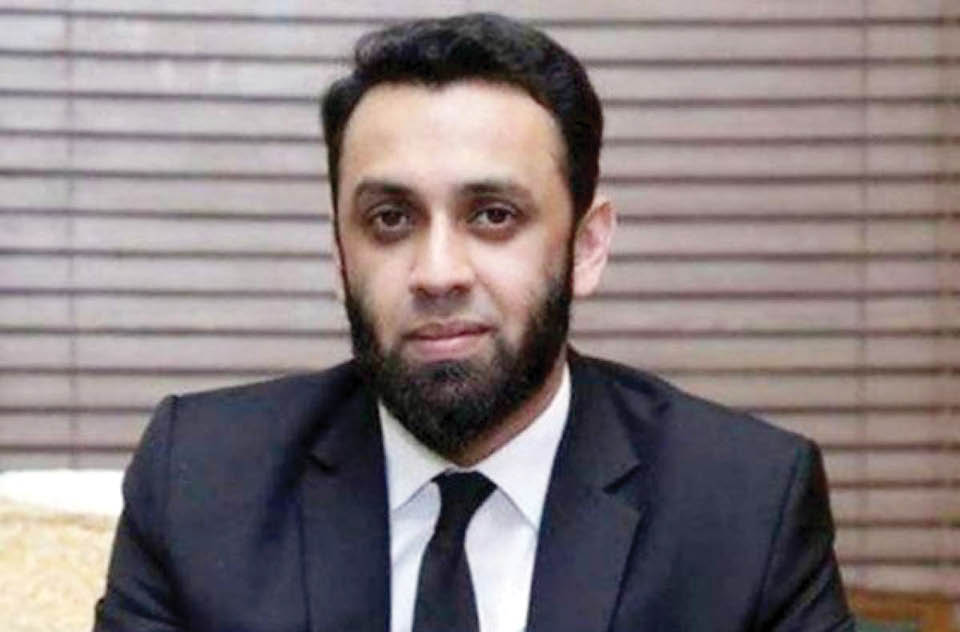
Federal Minister for Information and Broadcasting Attaullah Tarar criticized the politics of the PTI founder, calling it entirely based on falsehood and hypocrisy.
Speaking to the media on Saturday after attending a defamation case filed by Prime Minister Muhammad Shehbaz Sharif against the PTI founder in 2017, Tarar accused the PTI founder of making baseless allegations against the Prime Minister.
He specifically referred to the false claim made by the PTI founder in 2017, where he alleged that PM Shehbaz Sharif had offered him Rs 10 billion to withdraw from the Panama Papers case. Tarar emphasized that in court, all these accusations were thoroughly addressed and debunked.
The minister pointed out that the PTI founder’s fabricated allegation had not only harmed the reputation of PM Shehbaz Sharif but also sparked a widespread false propaganda campaign.
This propaganda, he said, had been circulated through newspapers and aired repeatedly on television programs
Tarar also referenced an individual residing abroad, who had been declared false by a London court.
He said this individual, a PTI supporter, had made false accusations against the Pakistani military and other institutions, which were later proven untrue. According to Tarar, this individual not only faced damages but was also responsible for court expenses.
The minister went on to quote a recent article by journalist Owen Bennett-Jones in The Economist, which criticized the PTI founder’s decision-making process.
The article suggested that decisions taken during PTI’s tenure were not based on competence, governance, or the larger interests of the country.
Tarar added that the PTI founder’s wife had played a significant role in influencing government decisions under the guise of spirituality, dictating everything from political appointments to foreign relations.
The wife of the PTI founder influenced decisions and ensured they were implemented,” said Tarar, emphasizing that these decisions were driven by superstition rather than expert advice.
Referring again to The Economist article, Tarar remarked that it highlighted how PTI’s leadership failed to consult experts in critical matters, whether related to the economy, domestic policy, or national development.
The minister also reflected on PTI’s 2017 sit-ins, during which numerous false allegations were leveled, particularly against PM Shehbaz Sharif.
These accusations were repeated in public gatherings, such as the Parade Ground protest, the Shaukat Khanum ceremony in Peshawar, and at Karachi airport during PTI rallies.
According to Tarar, international journals have now exposed that PTI’s decisions were influenced by baseless narratives and personal biases, rather than by sound governance principles.
In his comments on spirituality, Tarar questioned what kind of “spirituality” was being referenced in The Economist when it suggested that the PTI founder took decisions based on advice from his wife. He also noted that Pakistan has reputable religious institutions, such as Jamia Azhar and the International Islamic University, which provide religious education, but there was no evidence to support the claim of spiritual influence on state decisions.
Tarar further questioned the PTI government’s track record in Khyber Pakhtunkhwa, asking how many major development projects had been initiated during their tenure.