PESHAWAR
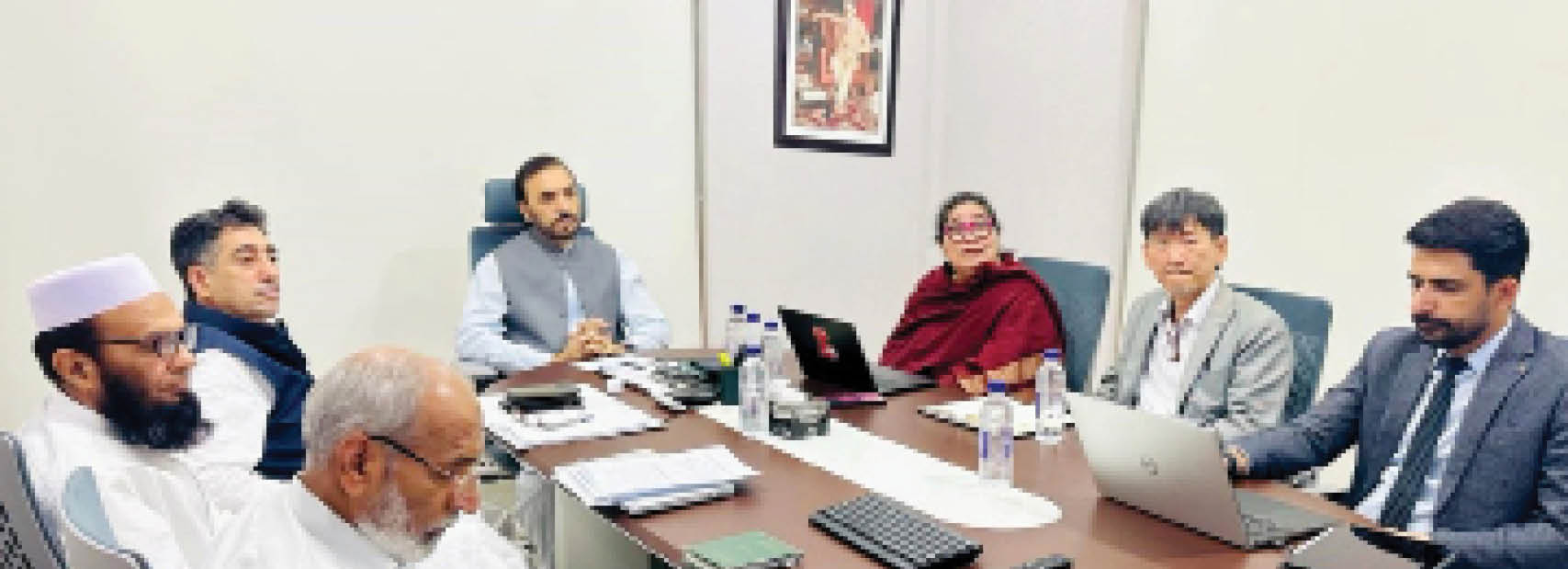
Addressing the growing impact of climate change on public health, Evidence for Health in Khyber Pakhtunkhwa organized a comprehensive one-day seminar for health managers here on Wednesday.
This event brought together key stakeholders, including Director General of Health Services, Dr. Shaukat Ali, and Director of Public Health, Dr. Arshad Roghani, along with participation from district health offices and regulatory bodies across the province.
Dr. Shaukat Ali underscored the vulnerability of Khyber Pakhtunkhwa to climatic variations, emphasizing the adverse effects on public health. The seminar shed light on the surge in influenza-like diseases, waterborne infections, and pneumonia, all attributed to the changing climate.
Dr. Shaukat Ali commended the successful control of dengue this year, highlighting Khyber Pakhtunkhwa as the pioneer in developing a robust health security action plan, marking a significant stride toward building a climate-resilient healthcare system.
During his address, Dr. Shaukat Ali stressed the need for the establishment and activation of primary health centers, including rural and basic health units. Despite economic constraints, he assured that no district would face shortages of essential medications and funds. All district health offices, medical officers, directors, and health workers were acknowledged as crucial contributors to the collective efforts. Dr. Shaukat Ali disclosed ongoing endeavors to release a substantial 100% budget for medications, ensuring unhindered access to medical services in district and tehsil headquarters.
In his concluding remarks, Dr. Shaukat Ali urged district health officers to secure 90% of their budget from hospitals, drawing attention to the urgency of revising diagnostic test rates, stagnant since 1996. He emphasized the importance of a sustained policy framework, suggesting that DHOs or directors remain in their positions for a minimum of two years.
Dr. Shaukat Ali directed DHOs to furnish a list of doctors who have taken leaves to initiate private practices in front of hospitals. These doctors will be urged to revoke their leaves. A comprehensive survey assessing medication needs in districts has been conducted, and upon budget allocation, the procurement and delivery of medications will be streamlined.
The seminar served as a pivotal platform for aligning health strategies with the imminent challenges posed by climate change in the region, reinforcing the commitment to establishing a resilient healthcare system in Khyber Pakhtunkhwa.