PESHAWAR
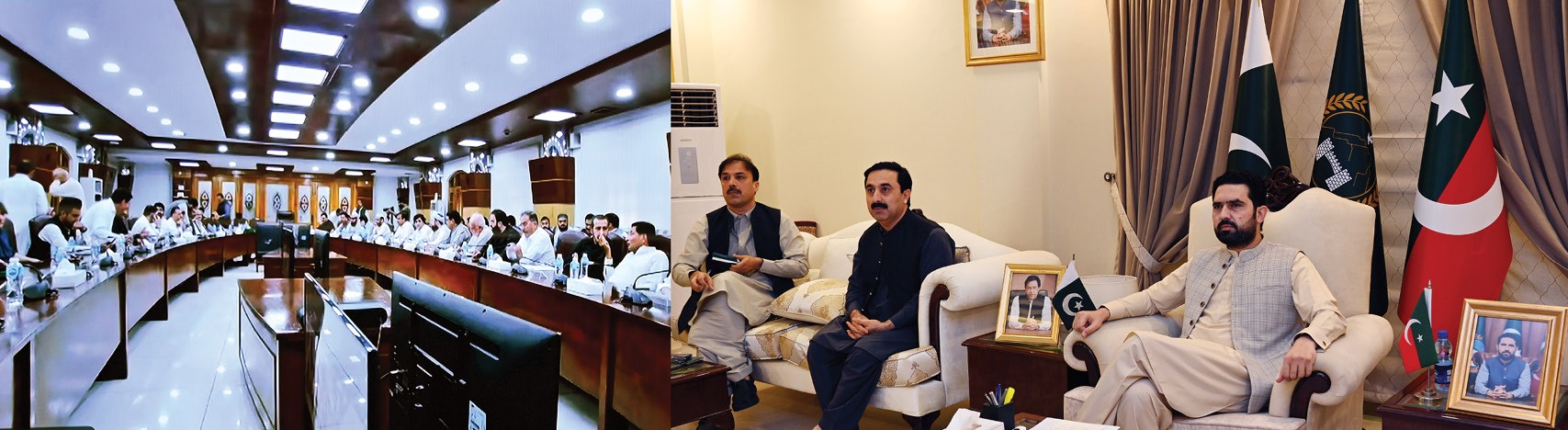
A sensitization session emphasized the critical role of media professionals and influencers in addressing stigma faced by transgender individuals living with HIV.
The discussion underscored the need for positive, inclusive narratives that encourage vulnerable populations to adopt preventive measures and access treatment facilities, protecting both individuals and public health.
The sensitization session was jointly organized by Blue Veins, an organization striving to establish a people-centered framework for social development, and National Commissioner for Human Rights (NCHR).
In her welcome remarks, Yumna Aftab of Blue Veins said societal stigma is hindering access of transgender community to essential HIV prevention and treatment services.
In Pakistan persons living with HIV face a lot of challenges in getting proper treatment because of the stigma associated with the illness.
While for transgender persons, the challenge is even more sever not only because of societal stigma but also due to psychological trauma, fear of rejection from community and discrimination within healthcare setting where they are often denied treatment in emergency rooms, refused routine medical care and subjected to harassment and abuse by healthcare staff, Yumna added.
The session called for collaborative efforts to amplify stories of resilience and highlight available support systems, ultimately advancing health equity in KP.
Supporting the idea, Farzana Riaz, President TransAction Khyber Pakhtunkhwa, said there is dire need of creating awareness among transgender community about prevention, symptoms and treatment of HIV/AIDs.
Farzana said several of her colleagues have died because of not getting proper treatment due to stigma associated with the disease.
She mentioned a couple of stories of resilience and success wherein HIV infected transgender availed treatment facilities and are living normal life by performing dance in marriages and happy occasions.
While those who opted for not disclosing the illness because of fear of expulsion from community and avoided visiting hospitals due to stigma, have faced great hardships and died because of the illness.
Farzana calls for responsible reporting on HIV stigma and challenges associated with healthcare service provision.
The media should focus on gender sensitive and inclusive services delivery for transgender community, making it easy for them to avail treatment facilities at hospitals.
Media can discourage stigma and discriminatory attitudes towards transgender persons living with HIV, observed Rizwan Ahmad of NCHR.
He said NCHR is striving in collaboration of Blue Veins for reservation of a separate room for transgender at least in three teaching hospitals of Peshawar where they can visit for treatment with ease of mind.
Similarly, he continued, NCHR has prepared a working plan which has also been shared with Inspector General of Police (IGP) KP for establishment of a Transgender Desk in main police stations.
These Transgender Desks would be manned by community members for facilitation of complainants.
Similarly, a Transgender Desk would also be set up in Social Welfare Department of KP which will work only for the benefit of community members.
Speaking on the occasion, Qamar Naseem, Programme Manager Blue Veins said stigma is hindering treatment of HIV by transgender.
In KP, Qamar added, the number of trans persons is around 60,000 to 70,000 while the number of HIV positive patients who have registered themselves with National AIDs Control Programme is just 176.
This figure is the iceberg of a large number of HIV patients among the trans community because of their vulnerability to the disease.
Qamar also deplored that there is no Helpline by the National AIDS Control Programme for education and guidance of people.
“By fostering accurate and empathetic reporting, media can help dismantle harmful stereotypes, promote awareness, and ensure marginalized communities feel safe seeking healthcare,” Qamar remarked.