KP Finance Adviser criticises fuel price hike, terms levy increases ‘weekly mini-budgets’
DLP Report
PESHAWAR
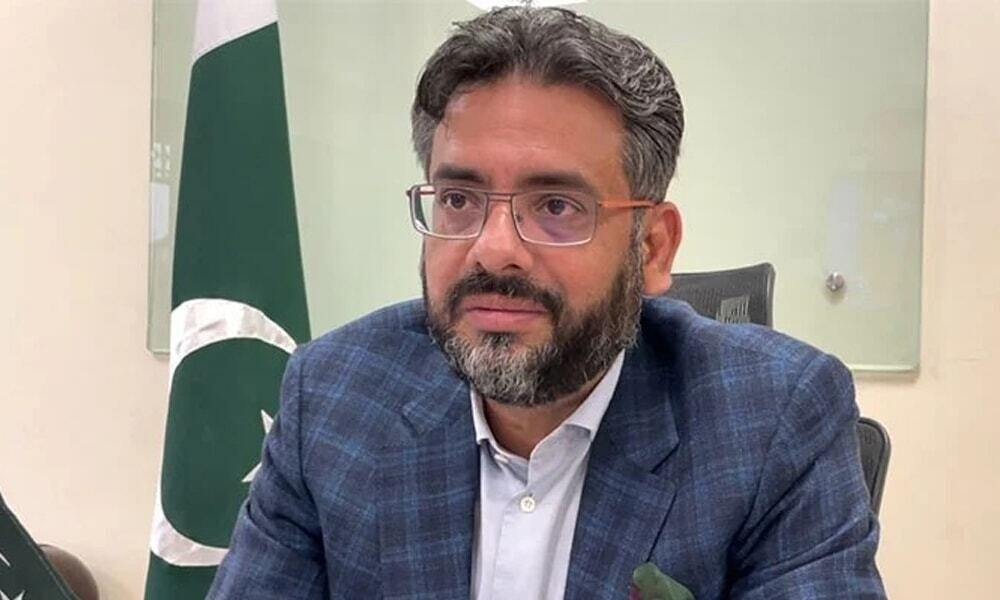
Adviser to the Chief Minister on Finance Muzzammil Aslam has strongly criticised the recent increase in petroleum prices, alleging that the federal government was effectively introducing a “mini-budget every week” through repeated hikes in petroleum levy. In a statement issued through his social media accounts, Mr Aslam said weekly increases in petroleum levy had never been witnessed in Pakistan’s history, even during previous programmes with the International Monetary Fund.
He said that since 1958 Pakistan was currently undergoing its 24th IMF programme, but such frequent changes in petroleum levies had not occurred under earlier arrangements.
The finance adviser alleged that the government of Prime Minister Shehbaz Sharif was overreacting to IMF demands and placing an excessive burden on the public.
Mr Aslam claimed that petrol would effectively cost Rs416 per litre because of what he described as the “ruthless transfer” of levy burden onto consumers. He further alleged that the federal government was collecting between Rs130 billion and Rs150bn every month through petroleum levies, amounting to Rs30bn to Rs35bn every week.
Referring to the prime minister’s announcement of a Rs129bn subsidy package, he termed the measure temporary and claimed the government was merely compensating the initial Price Differential Claim amount earlier paid to oil marketing companies. “The public has sacrificed enough,” he said, adding that if the government could not manage its income and expenditures, it should not impose additional burdens on citizens.
Mr Aslam said rising inflation had made it increasingly difficult for people to afford basic necessities, including food, rent, transport, medicines and education. He added that even access to water in Karachi had become “as scarce as petrol”.
In another statement, reacting to criticism directed at Federal Finance Minister Muhammad Aurangzeb, Mr Aslam said the prevailing economic situation reflected the collective failure of the federal government rather than that of a single individual.
“One cannot absolve the prime minister by blaming a single person,” he said, adding that four consecutive years of low economic growth and high inflation indicated failures across commerce, agriculture, industry and finance sectors.
He termed the situation a “broad-based failure” of the federal government’s economic policies.