PESHAWAR
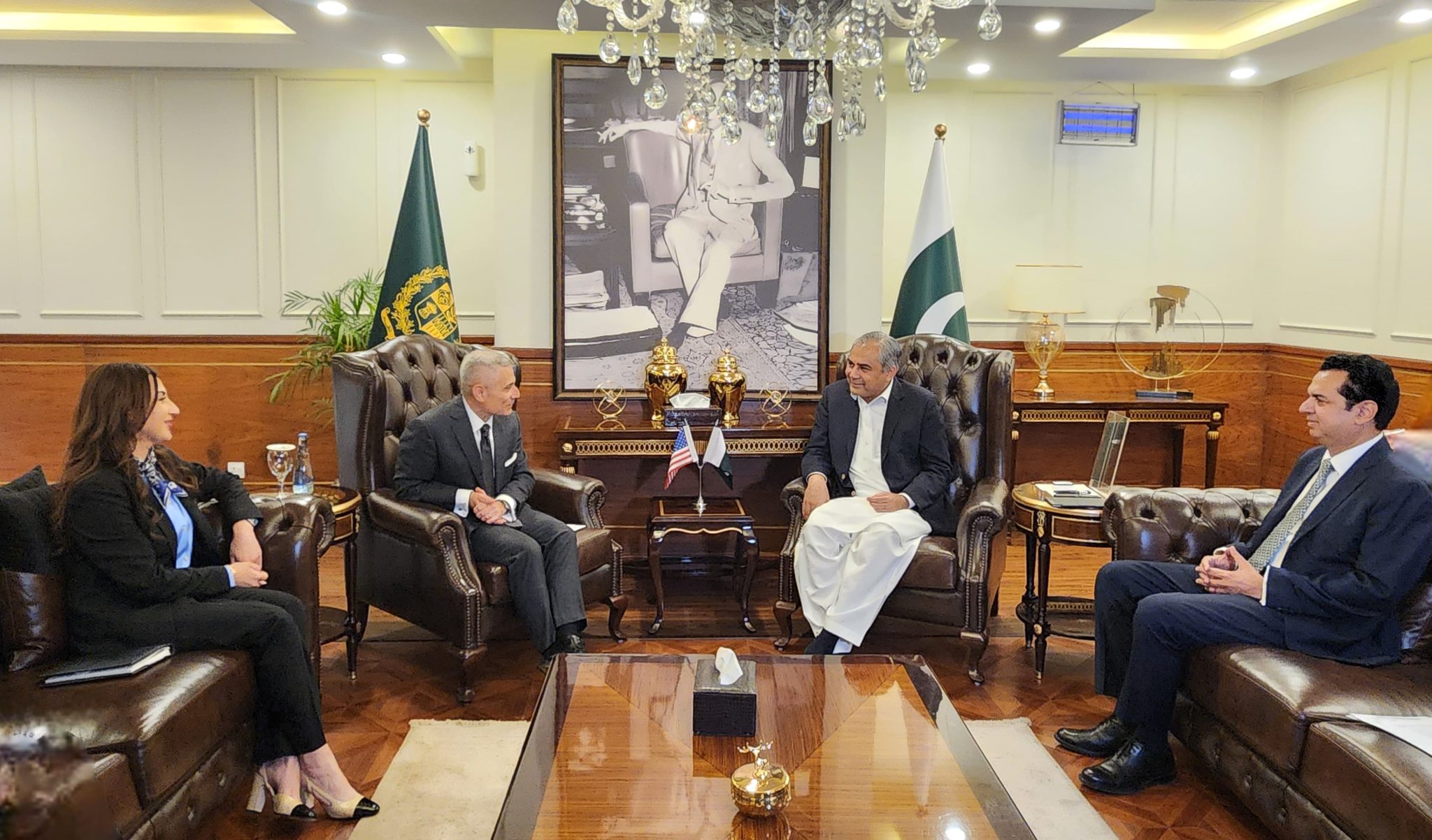
Asignificant multi-stakeholder engagement meeting was held under the chair ship of the Special Secretary of Health Khyber Pakhtunkhwa to discuss and strategize the implementation of tobacco-free cities. Participants included representatives from the Khyber Pakhtunkhwa (KP) Tobacco Control Cell, Federal Tobacco Control Cell Ministry of National Health Services, Health Services Reforms Unit (HSRU) KP Health department, National Human Rights Institutions, line Govt Departments, RTI and RTS commissions, media, civil society organizations(CSOs), and representatives of the district administration.
This ground breaking meeting aimed to create a collaborative and comprehensive plan to combat the adverse effects of tobacco consumption on public health, the environment, and the economy. The participants emphasized the importance of working together to develop effective policies and actions for a tobacco-free Khyber Pakhtunkhwa. Recently in a landmark move, the Peshawar and Abbottabad districts of Khyber Pakhtunkhwa have been officially declared tobacco-free. This significant achievement reflects the collaborative efforts of stakeholders to promote a healthier environment for the community.
The Special Secretary of Health Khyber Pakhtunkhwa Abid Ullah Kaka helremarked, “This multi-stakeholder engagement is a crucial step towards achieving our goal of making Khyber Pakhtunkhwa a tobacco-free Province. By working together and leveraging the diverse expertise of all stakeholders, we can implement stronger policies to protect our citizens and create a healthier environment.”
Qamar Naseem Program Blue Veins said “A robust policy framework is imperative to address the challenges posed by newer tobacco products, ensuring that our society remains vigilant and proactive in the fight against the ever-evolving landscape of tobacco consumption and its impact on public health.”
Ajmal Shah Project Coordinator KP Tobacco Control Cell highlighted the importance of a collaborative approach: “The devastating effects of tobacco consumption cannot be curtailed by a single organization or department. It requires the collective efforts of all stakeholders, including government, non-government organizations, and civil society, to create a tobacco-free society.”
The Federal Tobacco Control Cell underscored the significance of aligning tobacco control efforts at both federal and provincial levels, ensuring a unified and coherent approach across Pakistan. “Collaboration between federal and provincial entities is essential in making Pakistan a tobacco-free nation. Our combined efforts will ensure the successful implementation of policies and programs aimed at reducing tobacco consumption and protecting the health of our citizens,” stated Naeem Akhtar National Focal Person Federal Tobacco Control Cell (FTCC) Federal Ministry of National Health Services.
During the meeting, National Human Rights Institutions emphasized the right to health and the need for comprehensive tobacco control measures to uphold this fundamental right.”The right to health is enshrined in our constitution. Ensuring a tobacco-free environment is a vital part of upholding this right, and we must work together to make it a reality,” said Rizwan Ullah Coordinator for the National Commission for Human Rights,
All stakeholders present at the multi-stakeholder engagement have unanimously signed a consensual statement,pledging their commitment to tobacco control initiatives. The statement emphasizes the need to address newer nicotine products, in addition to traditional tobacco. The signatories vow to work collaborative to ensure the successful implementation of these efforts for a healthier society.
The multi-stakeholder engagement concluded with the stakeholders committing to work collaborative on policy development, implementation, and enforcement to create a healthier, tobacco-free Khyber Pakhtunkhwa.