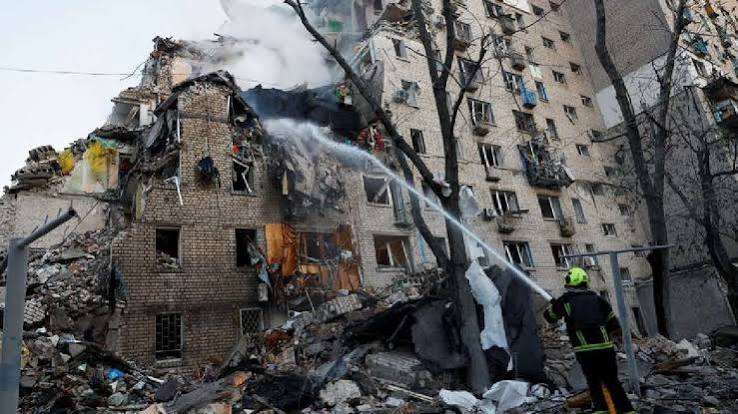
In a brief press interaction this week, the deputy inspector general of police in Bannu disclosed a grim tally: 27 police personnel killed in 134 militant attacks across the district so far this year. Twenty-seven funerals in a single corner of Khyber Pakhtunkhwa should have jolted the national conscience. Instead, the disclosure seems to have passed with little more than routine headlines and fleeting attention.
That indifference is troubling as an indictment of the provincial government’s handling of a resurgent security crisis. The men bearing the brunt of militant violence today are police officers manning under-resourced stations, frontier constables guarding isolated outposts, and soldiers deployed in areas long claimed to have been “cleared”. Their sacrifice stands in stark contrast to the complacency evident in official quarters.
It is difficult to understand why a provincial government that should have been the first in the federation to read the writing on the wall has persisted with political preoccupations while militancy steadily regains ground. Pakistan has once again become one of the countries most affected by terrorist violence worldwide, with attacks rising sharply over the past two years. Independent conflict monitors have reported that 2024 saw the highest number of terrorism-related fatalities in nearly a decade, including hundreds of police officers and soldiers. That trajectory has continued into 2025, with Khyber Pakhtunkhwa witnessing a marked escalation in attacks on law enforcement.
Militant groups have focused their firepower on police stations, patrols and checkpoints. Attacks that were once confined to remote districts have crept closer to major urban centres, reflecting both militant confidence and the erosion of deterrence.
Formally, the state has not been idle. A new national policy aimed at preventing violent extremism has been unveiled, promising a “whole-of-society” approach. A fresh security campaign has also been announced, echoing earlier military-led operations. But in Khyber Pakhtunkhwa, there remains a yawning gap between declarations and delivery. Police officials continue to complain of acute shortages in manpower, equipment and protection against evolving threats such as drone surveillance and precision attacks. Coordination mechanisms exist largely on paper, while the civilian counterterrorism apparatus remains weak and underpowered.
Perhaps the most unsettling aspect of the current moment, however, is the silence surrounding it. A decade ago, after the attack on the Army Public School in Peshawar, the country witnessed an extraordinary moment of unity and resolve. Today, despite mounting casualties, that sense of urgency is conspicuously absent. There has been no serious effort to build a new political consensus or publicly reassess policies that have demonstrably failed. Silence, however, carries its own costs. Each attack that passes with little more than ritual condemnation sends a damaging signal to those on the front lines. Denial and piecemeal responses have failed before, and there is little reason to believe they will succeed now. The alternative–honest assessment, institutional reform and political unity–is far more demanding. Still, without it, the province risks repeating the very mistakes that once plunged it into prolonged conflict. *