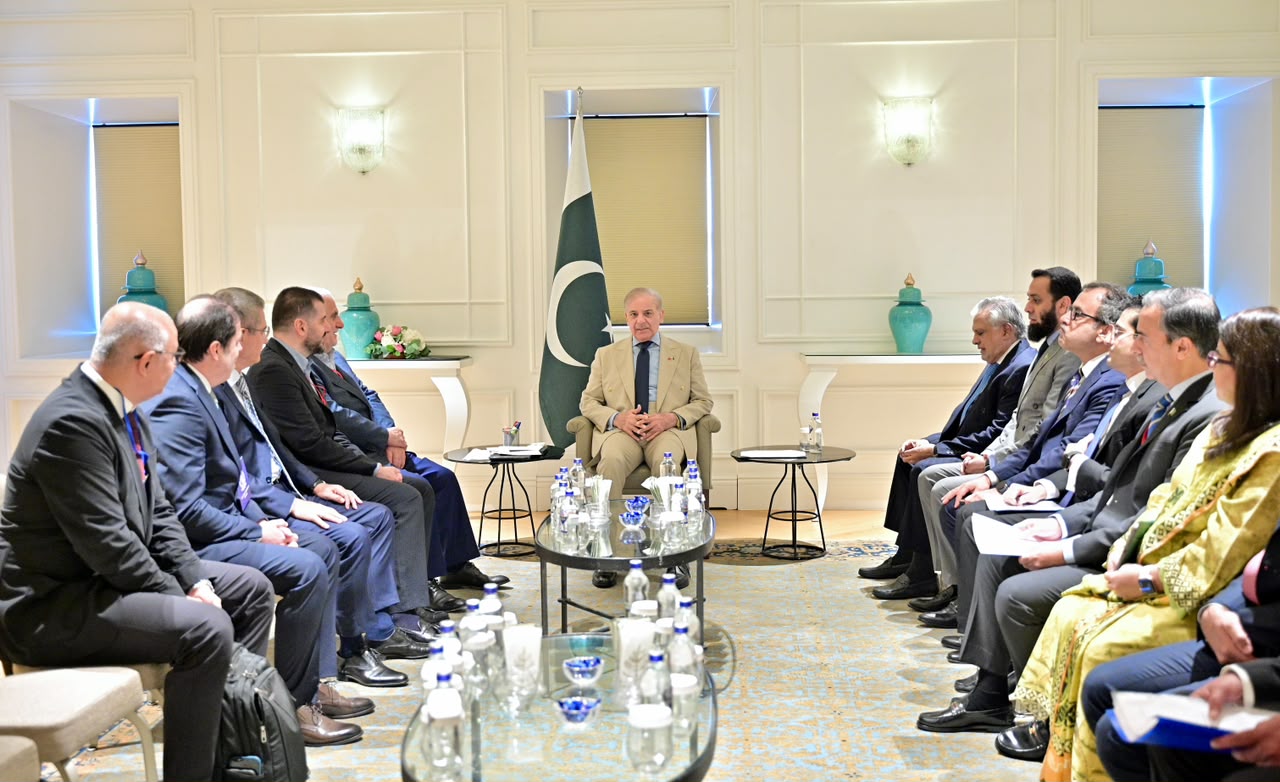
In a commendable effort to fortify its mission of aiding vulnerable and marginalized families, the Benazir Income Support Program (BISP) has orchestrated a pivotal roundtable discussion at its headquarters, strengthening social bonds to ameliorate the existing circumstances for poor strata of the society. The event fostered a dynamic exchange of ideas and strategies among key stakeholders, underscoring the significance of partnerships between BISP, civil society organizations and Non-Governmental Organizations (NGOs).
Dr Muhammad Amjad Saqib, the chairperson of BISP, set the tone with a warm welcome, affirming BISP’s unwavering commitment to augmenting financial support for families in need. Recognizing BISP as the nation’s largest social safety net, Dr Amjad Saqib emphasized its pivotal role in addressing socio-economic challenges faced by vulnerable households and communities across the country.
A notable initiative unveiled during the conference was a savings scheme designed to cultivate a culture of saving within needy households. Dr Saqib outlined a strategic vision focused on lifting families out of poverty, urging civil society and partner organizations to embrace the principles of Mawakhat, fostering a sense of collective responsibility among the poor communities.
According to a news report published on these pages, BISP additional secretary Dr Tahir Noor provided a comprehensive overview of various BISP initiatives, spotlighting achievements such as the distribution of Rs 361.5 billion under the Benazir Kafalat program and the disbursement of over Rs 55 billion to 8.8 million children through the Taleemi Wazaif (educational scholarship) program. The Nashonuma program, addressing stunting in 1.4 million pregnant and lactating mothers, was also lauded.
Dr Noor shed light on BISP’s robust infrastructure, citing authentic data from 35 million households and the existence of 647 Dynamic Registry Centers nationwide. A significant milestone of the event was the signing of a Memorandum of Understanding between BISP and Allah Wale Trust, where the latter pledged to provide free food to needy women receiving scholarships.
Heads of organizations in the social welfare sector participated in the roundtable conference, contributing to insightful discussions that underscored the collaborative spirit needed to address the complex challenges faced by vulnerable communities. The roundtable serves as a beacon of hope, illustrating that through strategic partnerships and collective efforts, we can build a more resilient and supportive society for those in need.