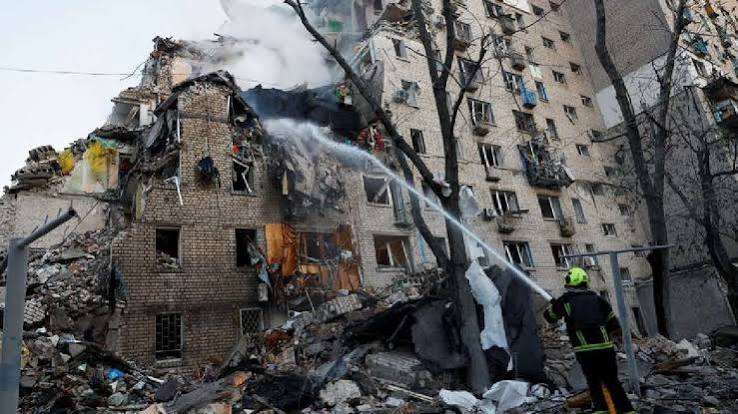
Flash floods in Swat have taken lives, destroyed homes, and displaced families. At least 18 people are missing and eight have died. Rescue teams have pulled survivors from rooftops. What has unfolded is not unexpected, and that is precisely the failure.
According to the Global Climate Risk Index, Pakistan ranks among the top three countries most affected by extreme weather events. Since 2000, the country has suffered more than 150 climate-related disasters. In 2022 alone, one-third of Pakistan was submerged. Over 33 million people were affected, 1,700 lives were lost, and economic damage exceeded $30 billion.
But floods become deadly not only because of rainfall, but because of exposure and neglect. In Swat and across northern Khyber Pakhtunkhwa, more than 30 percent of homes are built informally, often near rivers or on unstable slopes. Embankments are weak or missing. Evacuation routes are unplanned. Only around 40 per cent of Pakistan’s districts have any functional early warning system, and most of those serve urban populations. Rural communities are left to guess and run.
Three years after the catastrophic floods, lessons remain unlearned. That disaster displaced nearly 8 million people and destroyed over 2 million homes. Yet by 2025, less than half of the pledged international recovery funds had been fully disbursed. In Swat, critical flood protection infrastructure was never repaired. The vulnerabilities remained, and when the rivers rose again, they broke through.
Like it or not, we would have to admit that primarily, these deaths are outcomes of delay and mismanagement. Over 70 per cent of Pakistan’s most climate-vulnerable population lives in rural areas. They bear the cost of broken systems, slow warnings, and minimal protection. The lack of investment in climate adaptation, especially in these areas, is not a resource issue. It is a failure of planning and political will.
What is needed is clear. Riverbanks need to be reinforced. Settlements along floodplains must be moved. District-level disaster units must be equipped and trained. Climate adaptation cannot remain a slogan. It needs to be delivered in stone, steel, and safe ground. Each time the rivers rise, the same communities suffer and each time the waters recede, focus shifts elsewhere. Pakistan cannot survive this cycle. Much, much sooner than those in power would like to admit, the next storm will come. Whether it brings the same destruction depends on what is done between now and then.