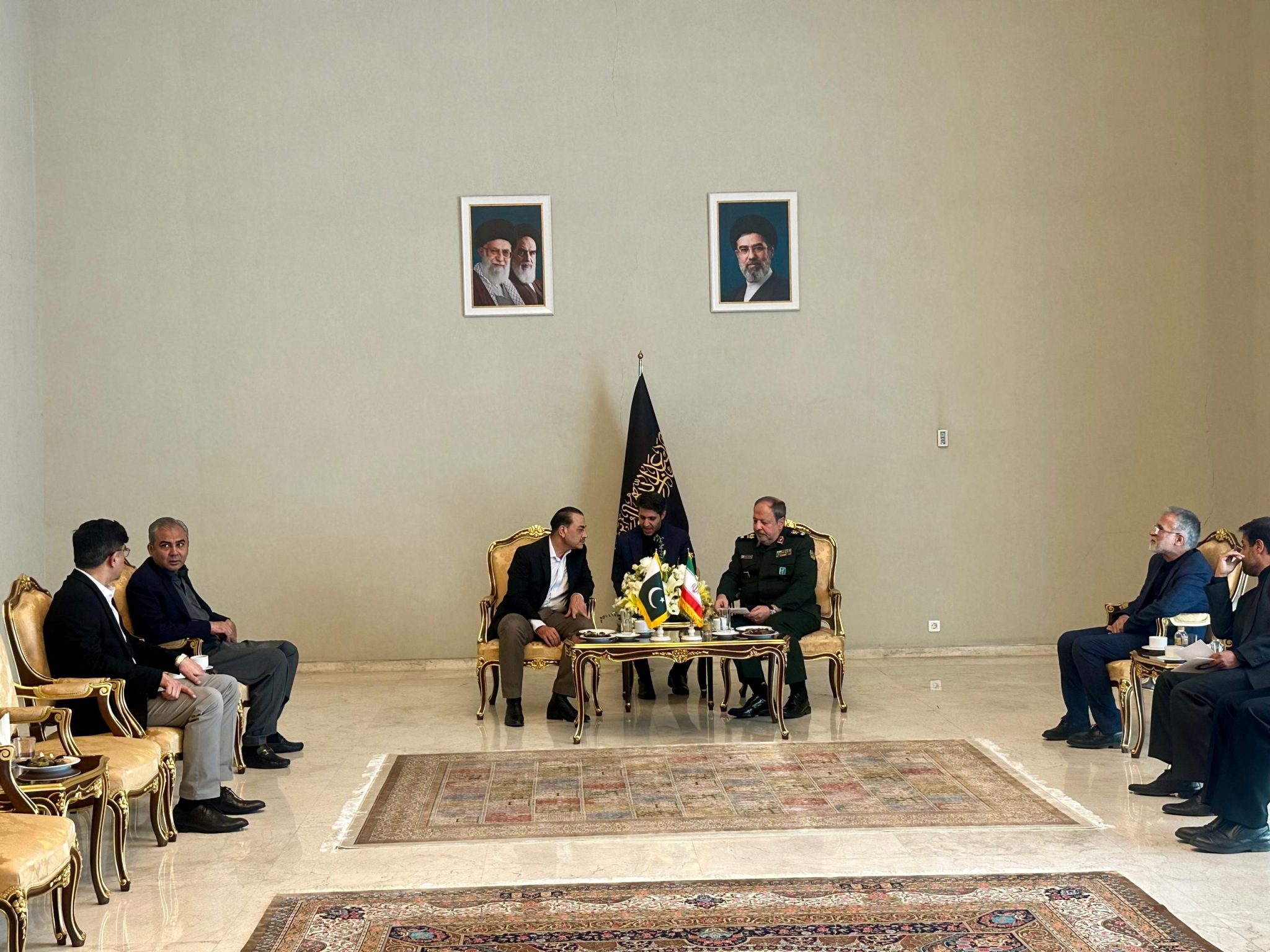
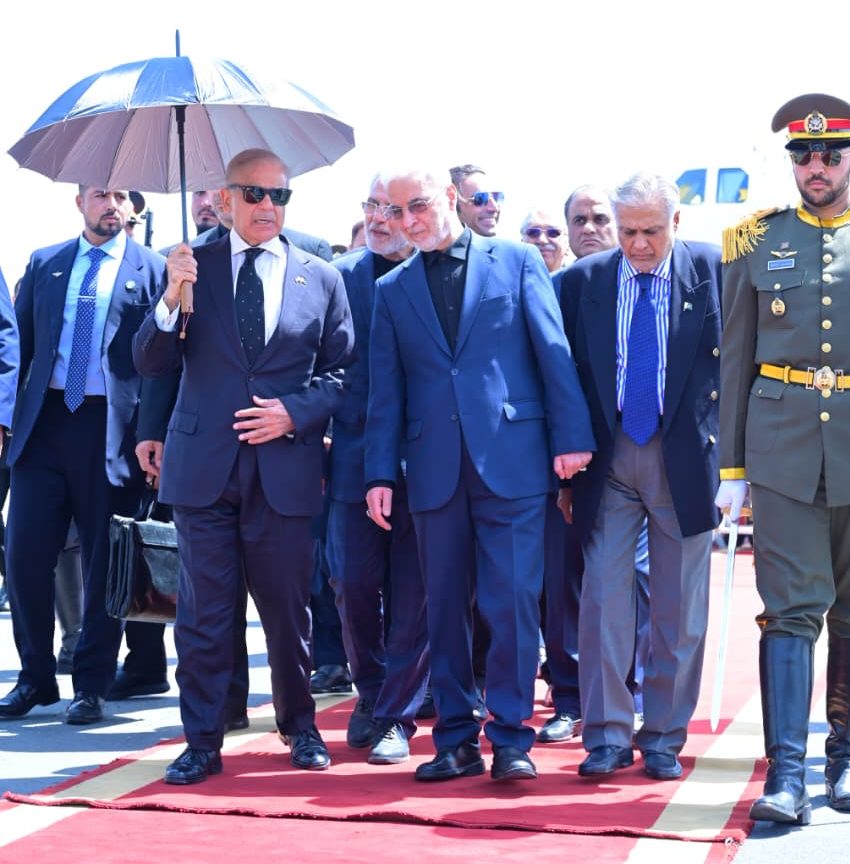
Foreign Minister Ishaq Dar stood before an OIC executive committee meeting in Jeddah and condemned Israel’s latest West Bank moves as an “annexationist and expansionist mindset” that treats international law as disposable, while urging the world to enforce the assurances offered in September 2025.
His assertion hit the bull’s eye precisely because what was once procedural expansion in the West Bank has, in recent months, become an overt consolidation of control that multiple governments and rights bodies now label as de facto annexation and illegal under the Geneva Conventions and UN Charter. Israel’s cabinet has approved measures to begin land registration across the occupied territory for the first time since 1967, a step Palestinians and Israeli watchdogs warn could dispossess large numbers of owners while smoothing pathways for settlers to acquire land. However, senior Israeli ministers have openly framed the policy as “de facto sovereignty.”
In July 2024, the International Court of Justice held that Israel’s presence in the Occupied Palestinian Territory is unlawful and must end “as rapidly as possible,” and the UN General Assembly subsequently demanded compliance within 12 months. All this imposes duties on third states to avoid recognition and to prevent normalisation of an unlawful situation.
The ever-so-widening ecosystem of settler violence and displacement in the West Bank is being rubbed out in full view. Washington’s unprecedented decision to offer passport services inside a West Bank settlement further sends a message that administrative convenience can trump the central premise of non-recognition.
So what should Pakistan and the rest of the Muslim world do now? Beyond speeches, that is? Nearly 20 foreign ministers, joined by the Arab League and the OIC, issued a joint condemnation of Israel’s recent West Bank measures as unlawful expansion that accelerates settlement activity and entrenches Israeli control. Words cost little, but any organisation that claims leadership to more than a quarter of the world should use this statement as a starting pistol for coordinated, time-bound action, building on pooled legal support for accountability tracks, a shared due diligence framework that treats settlement-linked commerce as high-risk, and a unified position that any administrative step altering occupied territory carries consequences.
And then there is the new theatre of peace management. The Board of Peace, marketed as post-war governance architecture, has exposed a fracture in the Muslim world’s response to Gaza. Participation may buy access, but it also risks turning the Palestinian question into a technocratic file handled by outsiders.
If the OIC wants credibility, it must prove that its diplomacy is more than a conveyor belt of condemnations that, year after year, simply echo resolutions. It has the numbers. It has the forums. It has the leverage. The question is whether it has the strategic will.