Rakhshanda Mehtab
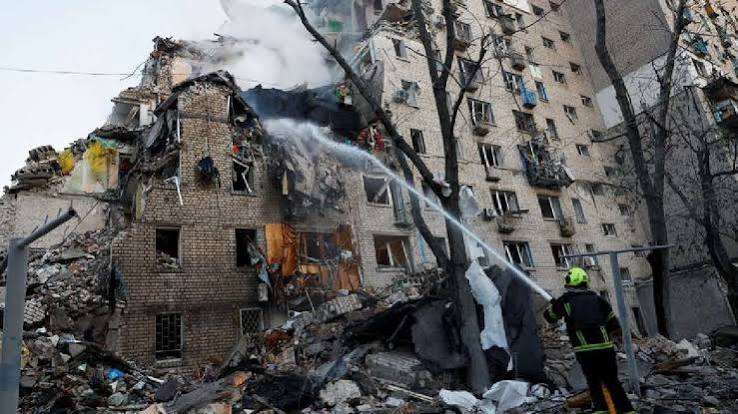
Scrolling through the news and social media on January 31st, watching the flood of claims from Balochistan, was a disorienting experience. One narrative painted a picture of a popular uprising; another, a state crackdown. But sometimes, you have to mute the noise and look squarely at the facts on the ground. What actually happened was a series of coordinated military-style assaults by the Baloch Liberation Army (BLA), a designated terrorist group. This is the uncomfortable, non-negotiable starting point. We have to name this violence for what it is, a coordinated terrorist campaign, before we can honestly dissect its roots or wrestle with the region’s painful future. Glossing over that stark reality only leads us down a path of flawed analysis and doomed solutions.
And that reality includes recognising the immediate response. Amidst the social media frenzy predicting a collapse, a quieter story of containment was unfolding on the ground. The numbers, 129 militants neutralised over three days, with 11 brave Frontier Corps men lost, paint a picture of a fierce, tragic, but ultimately effective counter-action. It stopped a bad day from becoming a catastrophic one. This is a key point often lost in the debate: the state’s security apparatus demonstrated capability under fire. It held the line.
Which makes the targeting choices so cynically grotesque. If you’re a group claiming to fight for the Baloch people, how do you justify attacking Baloch labourers? How does terrorising your own community square with the goal of liberation? It doesn’t. It reveals a fundamental hypocrisy. This isn’t a freedom struggle; it’s a campaign of intimidation designed to paralyse normal life and project power through fear.
This brings me to the most painful part of the whole mess: the manipulation of real pain. The issue of missing persons in Balochistan is a deep, open wound. It’s a legitimate crisis that demands transparency and justice. But here’s where my analysis turns sceptical: there’s a documented pattern where individuals championed as “disappeared activists” in the narratives pushed by BLA proxies later surface in BLA uniforms, killed in firefights. This isn’t a coincidence; it’s a strategy. It’s a way to weaponise authentic public grief, to funnel anger and desperation into recruitment, and to create a moral smokescreen for their own violence. It’s a cruel game that ultimately harms the very cause of accountability for all wrongs.
The sophistication of this entire operation, from the coordinated attacks to the instant, professional-grade media blitz, whispers of support beyond Pakistan’s borders. It has the hallmarks of external enablement: funding, training, and a digital army to wage the narrative war. In many ways, this information offensive was their main success, trying to claim a propaganda victory to offset their tactical defeats on the ground.
And let’s talk about the timing and location. It’s no accident that this violence sparks around projects like Reko Diq. The strategy is obvious: sow fear to scare away investment and sabotage the province’s economic future. These projects, with their promises of local jobs and provincial revenue, represent a tangible alternative path forward. The bitter irony is that the groups claiming to champion Baloch interests are actively trying to bomb their potential for prosperity into oblivion. International partners, from the US to Turkey, seem to see through this, consistently backing development and condemning the violence.
So, where does this leave us? In my opinion, Pakistan faces a dual challenge that it often clumsily conflates, but that must be separated with precision. On one hand, there is an urgent, non-negotiable need for political dialogue, for healing historical grievances, and for ensuring the rights and resources promised by the constitution reach the people of Balochistan. This work is hard and it’s slow, but it’s essential.
On the other hand, there is the immediate, lethal threat of terrorist groups like the BLA. Confronting them is a security imperative, not a political choice. We must stop allowing their violence to hijack and drown out the legitimate constitutional and political conversation. The central question isn’t whether Balochistan has problems; it has deep, serious ones. The question is whether we let terrorists, with their guns and their bombs, become the ones to define the solutions. The only viable future for the province lies in isolating that violent veto and relentlessly pursuing the harder path of inclusion, development, and real political peace. Anything else is a surrender to the gunmen.
The writer is MS Research Scholar at IIUI, a freelance content writer and a columnist.