Author: Eshal Fatima
Co-author: Dr. Afshan Urooj
Affiliation: Government College women
University, sialkot.
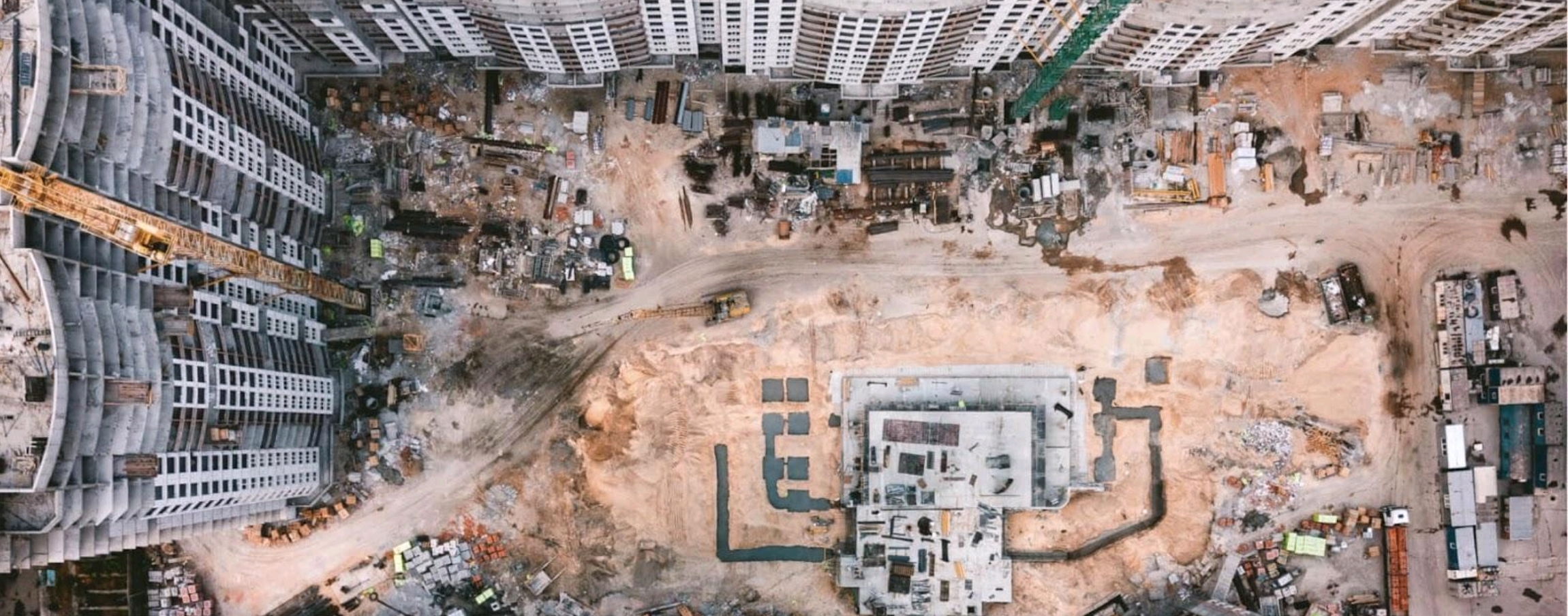
In today’s rapidly urbanizing world,
cities—especially in developing countries
like Pakistan—are facing a serious challenge:
managing their urban water balance. As
more concrete replaces green, absorbent
surfaces, natural water flow gets disrupted.
The result? Increased surface runoff,
reduced groundwater recharge, and
significant water wastage. This issue
demands not only government action but
also a shift in our everyday behavior,
especially at the community level.
The Role of Women in Water Conservation
As an environmental science student and a
woman, I believe that women can play a vital
role in promoting water conservation at
home and within their communities. Raising
awareness among women about simple,
practical water-saving habits can lead to
meaningful change.
Simple Household Practices That Make a
Big Difference
● Small changes in our daily routine
can lead to large-scale water
conservation. Here are some easy
and budget-friendly practices:
● Let hot dishes cool naturally before
washing
● Use a bowl of reusable water for
washing vegetables
● Rinse dishes in a container rather
than under a running tap
● Take shorter showers and reuse the
cold water from geysers
● Turn off taps while brushing teeth or
washing hands
● Install low-flow taps and
showerheads — they can reduce
water usage by up to 40%
Learning from Real-Life Solutions: Karachi’s
Climate-Smart Streets
A powerful example of climate-smart urban
water solutions is Karachi’s “Climate-Smart
Eco-Streets”, led by architect Yasmeen Lari.
This woman-led initiative uses permeable
pavements and pocket gardens to reduce
surface runoff and enhance groundwater
recharge. It proves that smart design, local
knowledge, and community participation can
work wonders.
Inspired by such initiatives, I aim to research
and promote similar sustainable solutions in
my own city. Water balance is not just a
technical or policy issue—it’s a collective
responsibility. From government
infrastructure to citizen behavior, every effort
counts. With sustainable practices,
thoughtful urban planning, and public
participation, we can secure clean and
sufficient water for generations to come.