GENEVA
Due to climate change, there has been a significant increase in the number of malaria cases worldwide. This was stated in a report issued by the World Health Organization (WHO).
According to WHO, in 2022, 249 million cases of malaria were reported worldwide, while in 2021, this number was 244 million.
Report stated that 94 percent of malaria cases (233 million) occurred in Africa, while Pakistan is also among the countries where the disease is spreading very rapidly.
WHO called for climate change mitigation measures to reduce the incidence of mosquito-borne diseases.
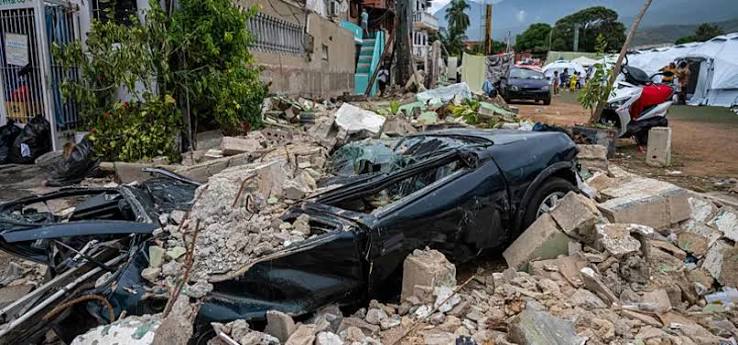
WHO said that floods and rising temperatures are increasing the growth of mosquitoes, which is resulting in an increase in malaria cases. Mosquitoes have an opportunity to spread.
The report warned that severe weather trends such as floods and heatwaves are having a direct impact on the spread of the disease. The report also stated that the 2022 catastrophic floods could lead to a 5-fold increase in malaria cases in Pakistan. The number of malaria cases in Pakistan was 5 lacs in 2021, which reached 2.6 lacs in 2022.
WHO said that climate change could limit access to medical services while affecting the supply of medicines, vaccines and other goods.
According to the World Organization, due to climate change, malaria cases have probably increased due to migration from their areas to other places. In 2022, there were 68,000 deaths due to malaria, while in 2021, this number was 6,10,000. Apparently, this number is low, but the report stated that the global malaria death rate was 14.3 per 100,000 patients, compared to the target of 6.6.