PESHAWAR
Water and Sanitation Services Peshawar (WSSP) has unveiled a comprehensive book featuring essays on the proper utilization of water, sanitation, and hygiene in light of Islamic teachings.
The book titled “Water Usage and the Significance of Cleanliness in Light of Quran and Hadith,” comprises 25 essays authored by religious scholars, with financial support from UNICEF.
These essays delve into guidelines on water usage, emphasizing the significance of sanitation, cleanliness of the environment, and the teachings of the Quran and the Holy Prophet concerning personal and environmental hygiene.
The publication outlines the roles and responsibilities of both the public and the government, particularly water and sanitation utilities, in ensuring water conservation, sanitation, and hygiene.
It explains how wasting water and littering the environment violate legal, moral, and religious obligations.
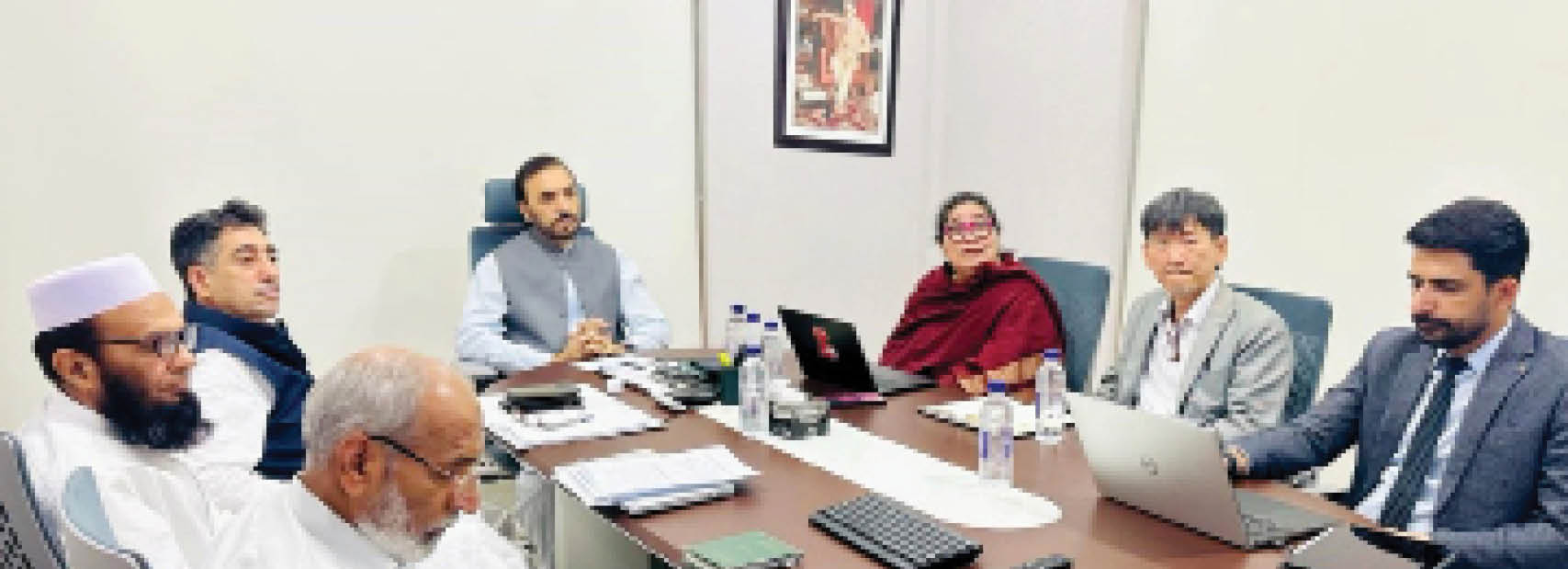
The book was officially launched during a ceremony at Shaykh Zayed Islamic Centre, University of Peshawar. Notable among the attendants were UNICEF Chief Field Officer Radoslaw Rzehak, former provincial minister Qari Roohullah Madani, Special Secretary Local Government Elections & Rural Development Department (LGE&RDD) Muhammad Asif Khan, Vice Chancellor of Shaheed Benazir Bhutto University Dr. Safia Ahmad, Director of the Center Dr. Rasheed Ahmad and Chief Executive Officer of WSSP Dr. Hassan Nasir.
Nazim-e-Taleemat of Jamia Islamia Darul Uloom Sarhad Peshawar, Sheikhul Hadith Ihsanul Haq Haqqani, and Islamiat Department of Shaheed Benazir Bhutto University reviewed and endorsed the book. The distribution of the book is planned for religious seminaries, water and sanitation utilities, school students and teachers. The book can also be downloaded from official website of WSSP.
Speakers at the ceremony commended WSSP for this significant achievement, urging the public to read the book for personal and societal welfare. They emphasized that Islam provides solutions to social problems, and this book would persuade individuals to value water conservation and maintain a clean environment.
Dr Nasir said that WSSP has set up a network of 250 religious scholars who regularly deliver sermons on the importance of water sanitation during Friday prayers across the city.
He stressed that this book, a first of its kind in the province, aimed to bring about a positive change in social behavior towards water and sanitation. “Water is a divine gift to be cherished, not wasted carelessly,” he said.
WSSP chief stressed the book’s role in sensitizing the youth to the importance of water, sanitation, and hygiene according to Islamic teachings.
“Conserving water and maintaining personal hygiene are essential for a healthy, socially, economically, and ecologically sustainable society,” he concluded.