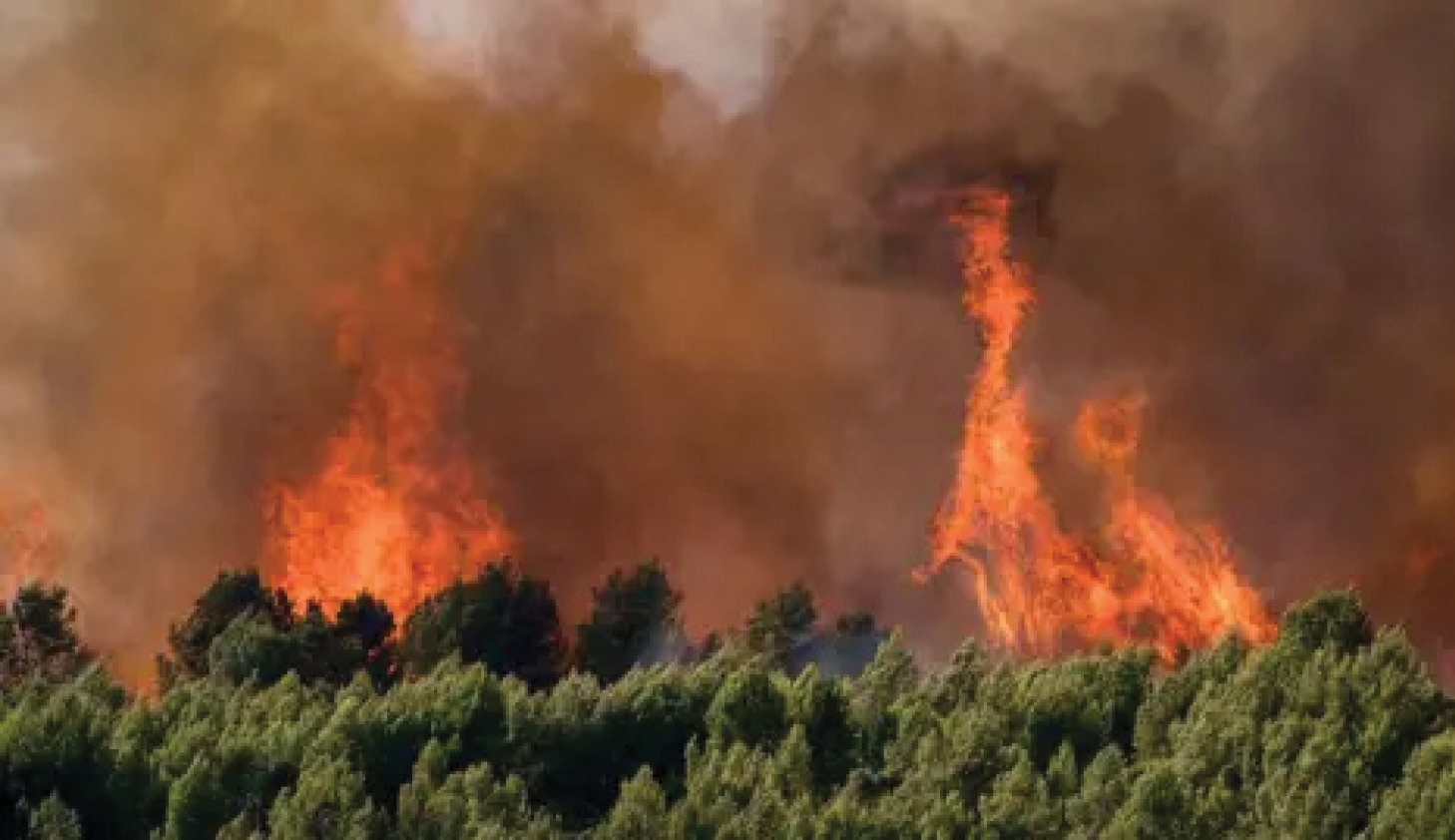
As temperatures in Bhakkar, Nawabshah and other cities crossed 50C this week, Pakistan finds itself once again at the mercy of a climate crisis it did not create. The “persistent and severe heatwave,” as described by the Pakistan Meteorological Department, serves as a clear harbinger of future climate challenges.
This summer has scorched crops, strained power grids, and forced millions indoors. It is the new normal. And it demands a new kind of governance.
Extreme heat has become a predictable threat. In April alone, plains across the country saw temperatures between 48C and 49C. This month, entire districts are being placed on alert as officials urge citizens to avoid the sun during peak hours and stay hydrated. Yet official advisories, while necessary, are no substitute for meaningful preparedness. Lives are being lost not just to rising mercury but to the government machinery’s inability to meet the moment with resilience, foresight, and urgency.
The toll is mounting. Hospitals report rising cases of heatstroke and exhaustion. Rural communities are watching crops wilt. The poor–especially daily wage labourers–face impossible choices between exposure and income. The stakes are no longer hypothetical. According to climate experts, Pakistan is among the ten most vulnerable countries to climate change despite contributing less than 1% to global emissions.
Climate change is no longer tomorrow’s problem. It is here, now, reshaping the air we breathe and the lives we lead. The Ministry of Climate Change has acknowledged this reality. But policy must follow rhetoric. Pakistan’s long-promised climate adaptation frameworks must move beyond pilot projects and committee meetings. Heat action plans must be institutionalised, both across provinces and at the local government level. These plans must include public cooling centres, reliable water supply in urban and rural areas, emergency medical access, and priority power to critical infrastructure.
At the same time, global support must materialise beyond sympathy. Pakistan has rightly called for climate justice, which means, it demands the world to honour climate finance pledges, fast-track adaptation funds, and transfer clean energy technology to those on the frontline. If this heatwave proves anything, it is that the climate emergency is a global phenomenon; its suffering, however, is acutely local.
Climate change acts as a blaring siren, far from a silent killer. Pakistan, in turn, must respond with protection, planning, and purpose, moving beyond mere platitudes. The heat is on, and so is our responsibility.