Communities show courage, but governance must turn resilience into policy
Nariman Bisma
In 2022, as floodwaters ravaged Khyber Pakhtunkhwa, Hajira Bibi gave birth under a roadside tent in Charsadda. Her ten-day-old baby lay feverish and unnamed, as she swept ankle-deep mud from their temporary shelter. Three years later, in 2025, Pakistan once again faces devastation. Flash floods and cloudbursts have submerged districts in Punjab, including Mianwali, Rajanpur, Layyah, and Dera Ghazi Khan. As in previous disasters, women and children remain at the epicentre of vulnerability.
Pakistan has been here before. The 2010 mega-floods, the 2022 catastrophe that displaced over 33 million people, and now the floods of 2025 reveal a troubling cycle. Each disaster leaves behind the same scars: collapsing maternal health systems, schools destroyed or converted into shelters, and heightened protection risks such as child marriage, child labour, and exploitation.
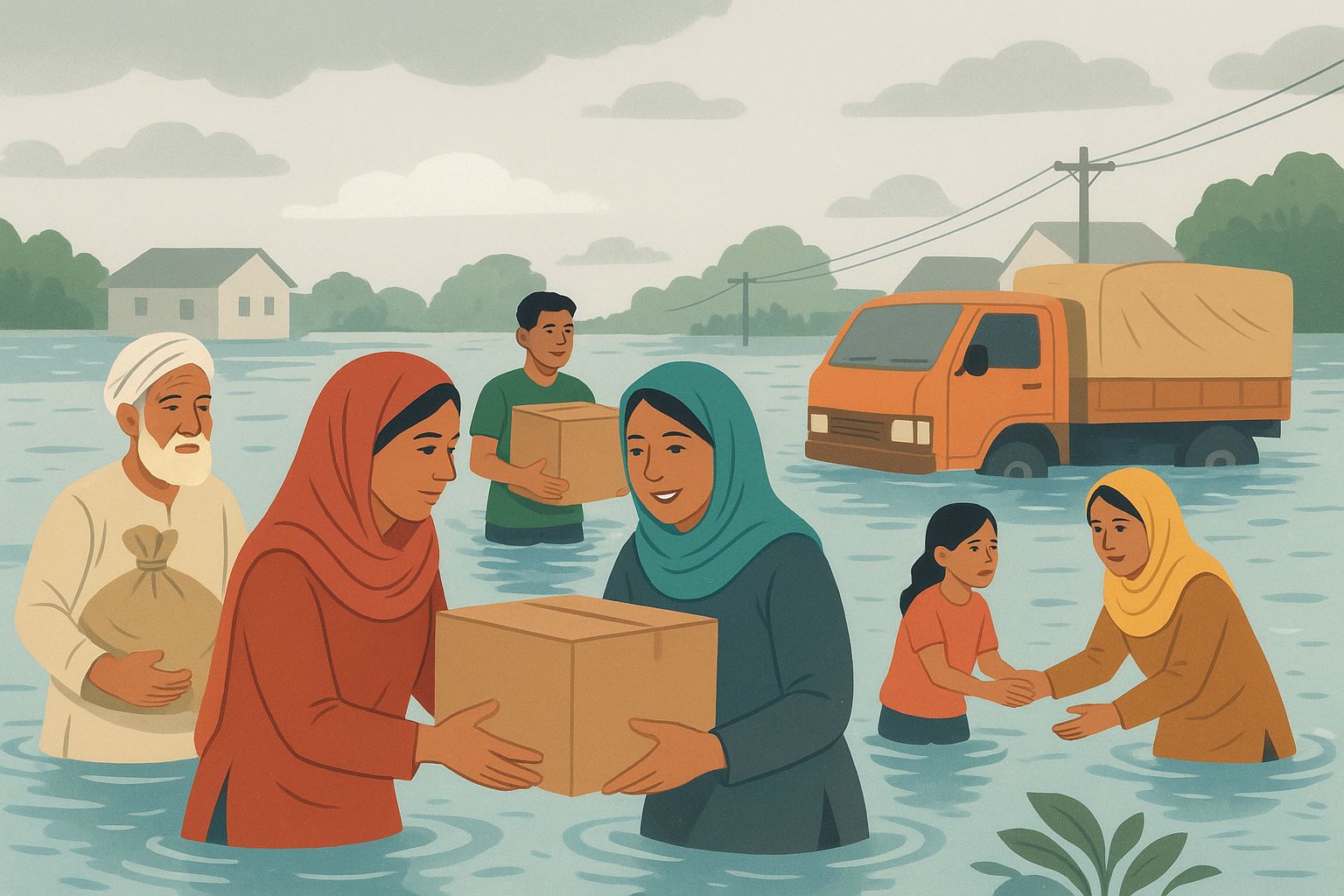
Climate shocks do not affect everyone equally. They deepen inequality, leaving women, children, persons with disabilities, and displaced families to carry the heaviest burdens. Yet, communities continue to respond with resilience. Women organise food and shelter, youth lead rescue efforts, and children form informal learning circles. Such courage is commendable, but it should not depend on improvisation when governance falls short.
Resilience as Governance
Resilience is often treated as a humanitarian slogan, but it is in fact a political capacity; the ability of governance systems to withstand shocks without perpetuating cycles of vulnerability. The floods of 2025 underscore the urgent need to move resilience from rhetoric into institutional practice. The recurring pattern of destruction, fragile recovery, and renewed devastation highlights the limits of ad hoc relief. Relief operations save lives in the immediate term, but resilience embedded in governance is what sustains dignity and equity. This requires reframing resilience as governance reform and political responsibility.
For Pakistan, this means embedding resilience in national planning and strengthening local governance structures. For donors, it requires long-term investment in sustainable systems rather than short-term interventions. For communities, it demands recognition not only as victims, but as partners in recovery and development.
Breaking the Cycle
As Pakistan confronts yet another wave of flooding, the pressing question is not whether disasters will occur, but how the state and its partners will prepare and respond. The challenge is to adopt innovative approaches that convert resilience from a catchphrase into governance practice. The choice is clear. Pakistan can continue to lurch from disaster to disaster, trapped in cycles of loss and fragile recovery. Or it can embrace resilience as a core principle of governance; one that safeguards the dignity, equity, and peace of its most vulnerable citizens.
The urgency is clear. Climate change has become a present reality rather than a future risk. What remains to be seen is whether Pakistan’s governance systems will continue addressing each disaster in isolation, or begin building the proactive, long-term strategies needed to reduce future vulnerabilities.
The writer is a development practitioner with over a decade of experience in governance, gender equality, and humanitarian response. She is a Chevening Scholar and has worked with the UN and international NGOs.