A total of 143 bottled water companies producing 419,096 liters daily, of which 117,543 liters found to be substandard: Report
PESHAWAR
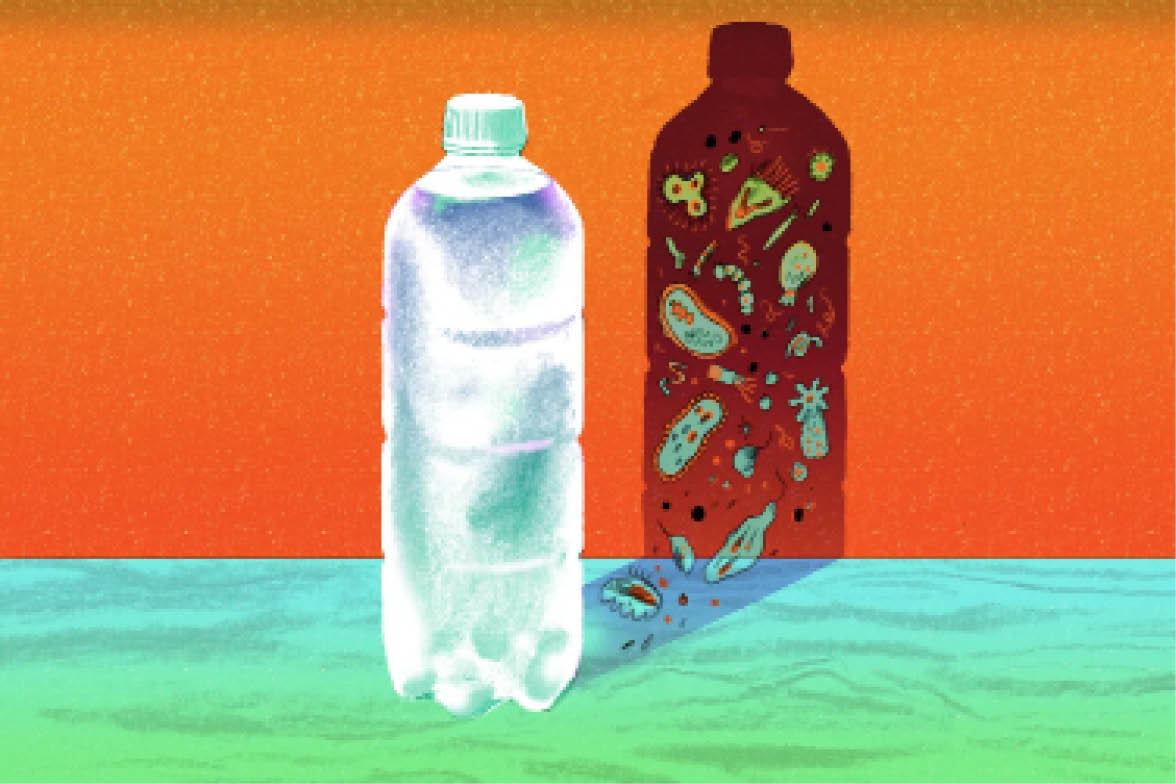
The Khyber Pakhtunkhwa Food Safety and Halal Food Authority has declared that 40 percent of bottled water being sold across the province was unsafe for human consumption due to the presence of harmful bacteria and chemical contaminants.
According to the official report, released after a province-wide testing campaign, 156 samples of bottled water, including 19-liter, 1.5-liter, 500-ml, and 300-ml bottles, were collected from various water industries.
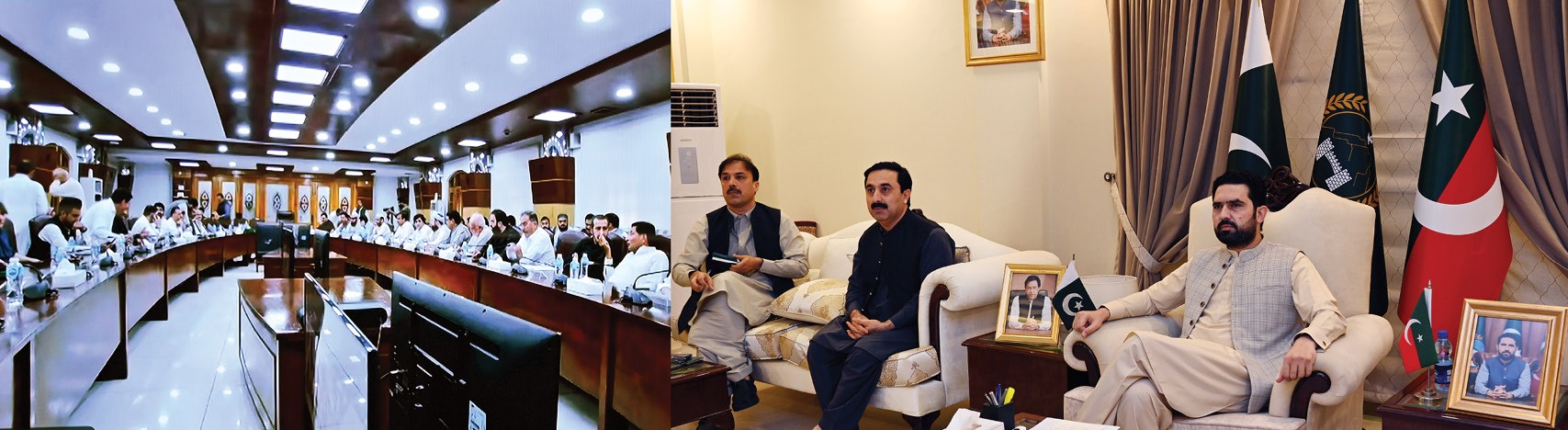
The samples were tested at the newly established Provincial Food Testing Laboratory, where results showed that 59.61 percent of the samples met safety standards, while 40.39 percent were found to be unsafe for human consumption. Director General Food Authority, Wasif Saeed, gave a detailed briefing to Provincial Food Minister Zahir Shah on the findings. According to the statement, during the campaign, samples from water sources were also tested, of which 29 were declared substandard, and 27 met acceptable standards.
The report highlighted that 61 bottled water samples contained dangerous bacteria, including coliform, fecal coliform, E. coli, and Pseudomonas aeruginosa, while two samples were found to have harmful chemical contaminants.
It was also revealed that 143 water industries were currently operating in the province, producing 419,096 liters of bottled water daily, out of which 117,543 liters were found to be of poor quality.
The water testing campaign ran from August 23 to September 19**, and further steps are planned. In the second phase, testing will be expanded to include government and private water filtration plants, as well as water sources in residential areas across KP.
Speaking to the media after the briefing, Food Minister Zahir Shah said that heavy fines have been imposed on the companies found responsible for producing substandard water. Strict instructions have been issued for immediate withdrawal of contaminated stock from the market, and a complete ban will remain in place on products from failed industries until they upgrade their processing systems.
He added that for the first time in the province, a comprehensive food and water quality testing campaign was being conducted through the newly established Provincial Food Testing Laboratory and Center for Research.