Peshawar
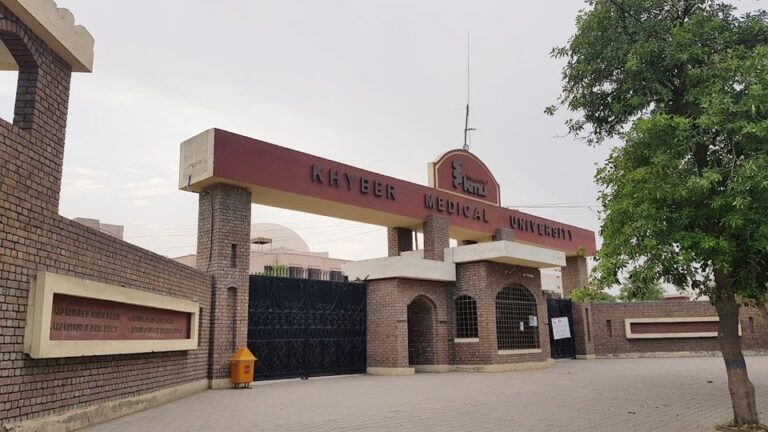
The 6th International Public Health Conference (PHCON-26), organized by the Institute of Public Health & Social Sciences (IPH&SS), Khyber Medical University (KMU), Peshawar, commenced with its first plenary session focusing on Non-Communicable Diseases (NCDs) and the strengthening of health systems. Prof. Dr. Khalid Rehman, Director IPH&SS and Chief Organizer of the conference, welcomed national and international experts, speakers, and participants, highlighting the urgent need for collaborative efforts to address Pakistan’s growing public health challenges.
Addressing the plenary session, renowned cardiologist and former Vice Chancellor KMU, Prof. Dr. Mohammad Hafizullah, stated that according to the Global Burden of Disease (GBD) study, deaths from cardiovascular diseases in Pakistan nearly doubled between 1990 and 2019.
He noted that Pakistan’s mortality rates are higher than several other South Asian countries and stressed the importance of hypertension control, prevention of obesity and diabetes, strengthening health systems, improving primary healthcare, raising public awareness, and developing a comprehensive national policy framework.
Former Federal Minister for Health and President of the Pakistan Association of Lifestyle Medicine, Prof. Dr. Zafar Mirza, spoke on NCDs and Lifestyle Medicine, identifying tobacco control, healthy nutrition, physical activity, and reduction of air pollution as key priorities.
He emphasized taxation on tobacco and sugar-sweetened beverages, strict advertising regulations, and adoption of the six pillars of healthy living: balanced diet, regular exercise, adequate sleep, stress management, avoidance of harmful substances, and positive social connections.
Consultant Endocrinologist at KMU Hospital & Research Center, Prof. Dr. Sobia Sabir Ali, highlighted the prevention of diabetic foot complications, noting that up to 85% of cases can be prevented through timely screening, patient education, appropriate footwear, and early medical intervention. She underscored the importance of integrated, team-based care and early risk detection to reduce disability and amputation rates.
Head of Oncology at RMI, Prof. Dr. M. Fawad Ul Qamar, addressed cancer prevention from a public health perspective, stating that nearly 40% of cancers are preventable. He identified tobacco use, infections, obesity, and environmental factors as major risks and emphasized the need for screening programs, vaccination initiatives, mobile screening units, effective policy measures, and the growing role of artificial intelligence in cancer prevention and control.
The conference also featured parallel scientific sessions, quiz competitions, and 32 pre-conference workshops covering research methodologies, statistical analysis, artificial intelligence, and clinical skills. Additionally, young researchers presented oral presentations on 24 diverse public health topics.
PHCON-26 highlighted the urgent need for preventive strategies, policy reforms, intersectoral collaboration, and resilient health systems, setting a clear direction toward a healthier and more sustainable future for Pakistan.