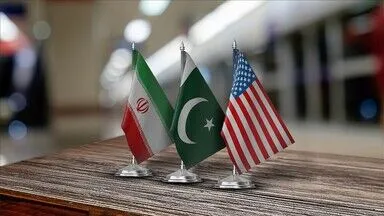
A two-week ceasefire between the US and Iran, brokered through backchannel diplomacy and expected to lead to talks in Islamabad, has paused a confrontation that threatened to escalate to a full-fledged world war. In a region that has time and again learned to expect escalation as reflex, Pakistan, emerging as a key intermediary between Washington and Tehran, has been central to this development. Not by grandstanding, not by press conferences, but by no-nonsense statecraft. The ceasefire between Washington and Tehran carries many fingerprints, yet Islamabad’s is the one that held the line when others seemed to have hardened positions. Call it what it is: a victory for peace.
Pakistan’s role did not emerge in a vacuum. It drew on long familiarity with both capitals, and on a diplomatic instinct that understands timing better than rhetoric. When the crisis deepened, Islamabad moved early, kept channels open, and converted its hard-earned access into influence.
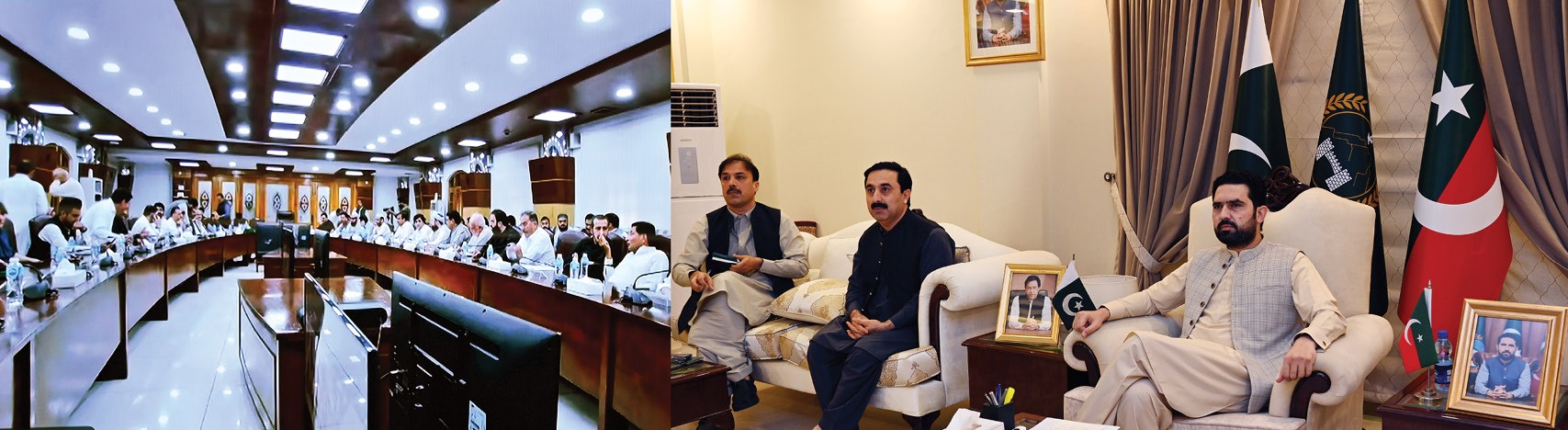
At the centre of this effort was an unusually close civil-military alignment, which allowed Pakistan to project a consistent message abroad while maintaining internal coherence. Such coordination requires discipline, clarity of purpose, and the ability to align security considerations with diplomatic objectives. Decisions taken at home, including the clarity signalled through the Corps Commanders’ deliberations and sustained shuttle diplomacy by the Foreign Ministry, reinforced Pakistan’s credibility abroad. The language of triumph should be used carefully in diplomacy, yet there is a case for it here. Not triumph over an adversary, but over the slide towards a wider war. Pakistan’s contribution lay in securing the balance, ensuring that concessions were mutual and that neither side was pushed against the wall. That is the essence of durable ceasefires. Energy markets have already steadied, shipping anxiety has eased, and the pressure that travels from Gulf instability into fragile economies has begun to lift.
Yet the harder phase lies ahead. Although it remains unclear whether the ceasefire will hold, Prime Minister Shehbaz Sharif has expressed optimism, confirming that Pakistan has invited US and Iranian delegations to Islamabad to pursue a more conclusive agreement.
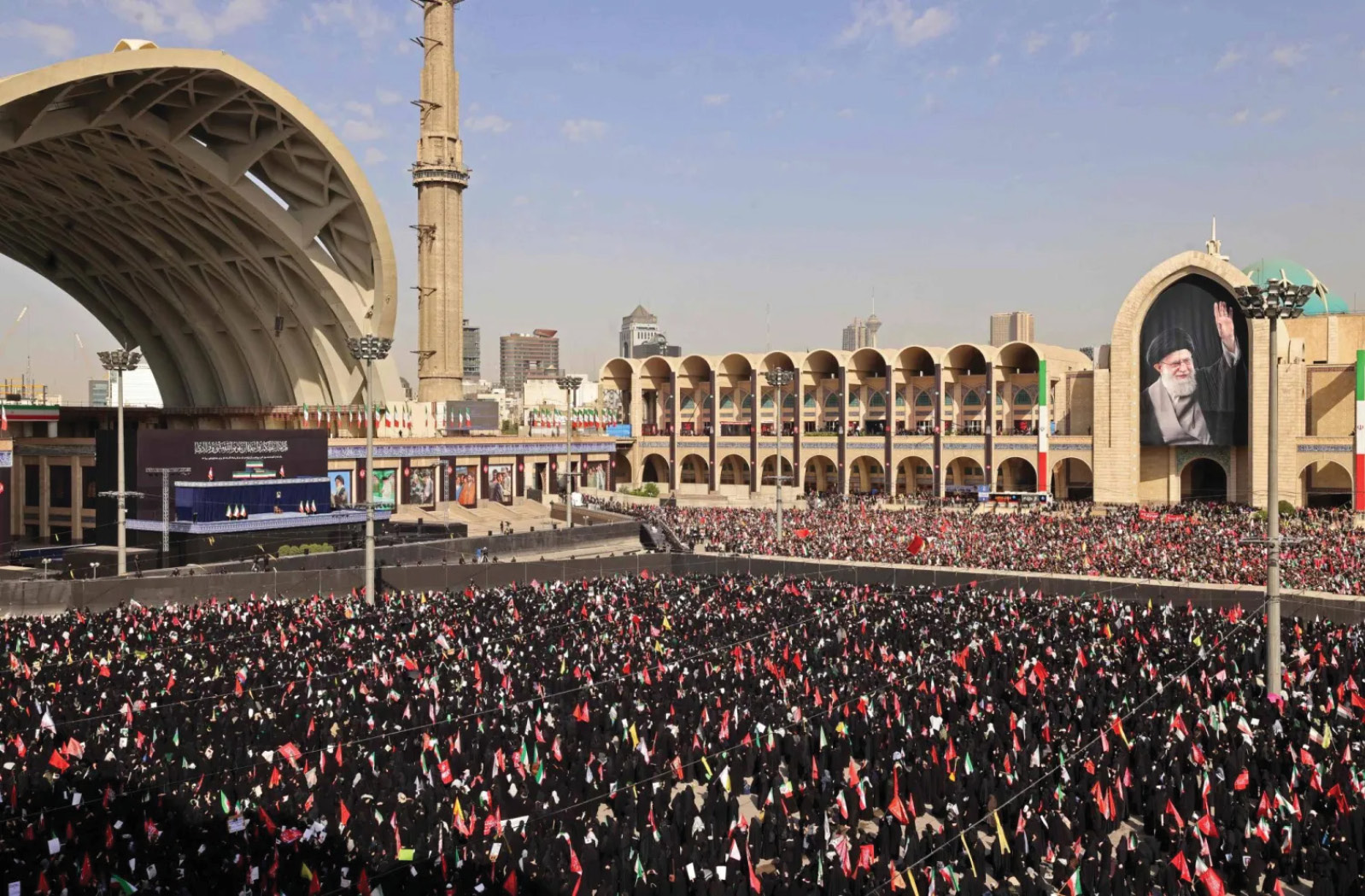
The path to a negotiated settlement, however, is far from assured. Tehran remains deeply distrustful of Washington, while Israel is reported to have reluctantly accepted the ceasefire as it continued operations in Lebanon.
Whether Washington can restrain its partners and translate a pause into broader regional stability is uncertain. There is, however, a harder edge to this moment. The coming weeks will see narratives challenged and credit diluted by those who prefer a region in permanent friction. Pakistan has managed the narrative with unusual coherence so far, countering distortions with verifiable detail and restraint. That discipline must hold. More importantly, a ceasefire is not an endpoint. It is a test. Islamabad now carries the burden of conversion, turning a pause into a process and a process into a settlement. That requires sustained engagement, legislative oversight, and a foreign policy that resists the pull of episodic attention.